Disclaimer: This post contains affiliate links to handpicked partners, including tours, gear and booking sites. If you click through or buy something via one of them, I may receive a small commission. This is at no extra cost to you and allows this site to keep running.
Being in China can be an assault on the senses, leaving you frustrated and in awe. Culture shock in China is intense, and here’s why.
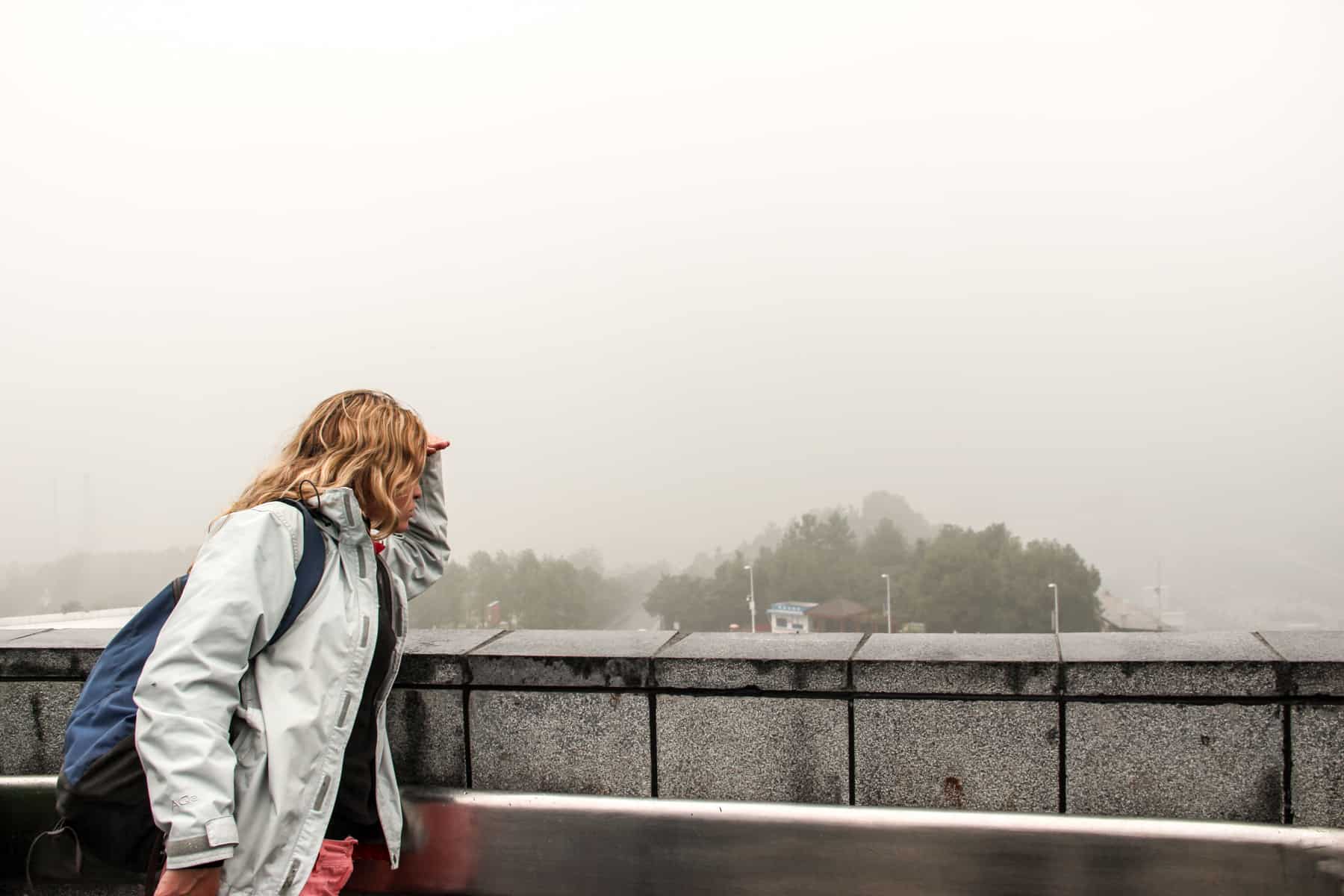
As you travel around China, your senses go into overdrive. It’s a country that assaults the senses in rapid bursts, leaving you exhausted, frustrated, and in complete awe. A heady mix of extremes means you are guaranteed to experience culture shock in China.
From distinctive smells to diaperless toddlers, here’s what overwhelmed me most when I travelled the country for 10 weeks.
Everyday Life in China
Culture shock in China is immediate the moment you set foot in the country. The sheer fact that you have become one of 1.4 billion people living in China is overwhelming. In most countries, you do not necessarily see statistics in action, but in China, you do.
In some places, it can be hard to move; if you are not herded into a crowd, stared at by groups of people and shoved out of the way in the race for a hoard of Chinese locals to get to the front of the queue. And then you’ll have a moment alone in a small corner where there is space to breathe, but only for a few short minutes, where you can recoup for the next onslaught. You simply have to learn the ‘if you can’t beat ’em, join’em’ approach, and you do, quickly.
Then come the sights and smells in a constant, hazy contradiction. One minute, it stinks of back-alley grime or car exhaust fumes; the next, you are savouring the aroma of delicious street food. Some architectural highlights are kept pristine, while the prized Yangtze River remains polluted. Beeping car horns, bicycle bells, hawking and spitting are constant forms of sound, until you turn down a hutong and revel in the contentment of conversation or a quiet game of Mahjong between two neighbours.
Understanding the Chinese Language
I would have done anything to find a way to learn and remember helpful Chinese phrases, or to read parts of the alphabet and words quickly. Apart from being able to learn the basics of please, thank you and ‘that one’ when pointing to foods, the language is a culture shock because it really limits face-to-face interactions and getting to know locals.
While our guides spoke English, it was rare for me to have lengthy interactions or get to know people in random encounters. On the other end of the scale, it also meant being waved away a lot as the frustration builds during the exchange, and that person simply can’t help you.
Topless Chinese Men
For one, I commend the men for whipping off their shirts completely or wearing them halfway like tank tops in the baking, smog-wrapped sun. It’s embraced as a man’s right, yet it’s illegal for women to similarly strip down, apparently.
What I don’t understand is why, in a nation of production, there isn’t an option for moisture-wicking clothing. Or opt for a sleeveless vest, maybe?
While this practice fascinated me at the same time as making me a bit queasy, I guess you have to say ‘because they can’ in an answer to ‘why?’ And while I say fair play to that and hurrah to less washing for their poor wives, there’s a time and place for half-nakedness.
For example, I don’t want to look at a belly when I’m eating my dinner, especially. I also don’t want to brush past a sweaty topless man in a busy street to exchange bodily fluids (by this I mean sweat).
Diaperless Children in China
Firstly, Chinese parents are extremely clever in finding a solution to not buying nappies, and it normally involves clothing with a material split between the bum for quick and effective defecation.
Here in the Western world, parents spend a huge amount on diapers/nappies, not to mention the waste they add to landfills. However, the culture shock of diaperless babies and toddlers in China presents an interesting debate and was a topic that came up among travellers.
When you see a baby squatting in the middle of the street for a quick poop, you naturally question: ‘Why here, in the middle of everyone?’ Surely, you think, where possible, the parents are capable of taking their little one to a quiet corner to do the business. It means the child doesn’t have to excrete in a public place in front of everyone, and people don’t have to walk around and avoid stepping in it on the pavement.
Then you question why you are watching. Is that wrong? Probably not seeing as shock easily stops you in your tracks. Should I be disgusted by this? No. You are just comparing to what you know, a Western world practice. The Chinese would probably find it equally as confusing that we lift a baby and smell its bottom to check if they need changing.
Understanding Cultural Shock in China
Extreme cultural difference is what makes travel invigorating, to stop and see just how different we are and how we go about things.
You just always have to stop and remember that we are just as strange and fascinating to others as we are in awe of them, and, for me, that’s what makes travel special.
Fascination is education.
Have you been to China? What shocked you the most?
More on China Travel
For more insights on my 10 months of overland travel in China, see my full list of articles.