
Disclaimer: This post contains affiliate links to handpicked partners, including tours, gear and booking sites. If you click through or buy something via one of them, I may receive a small commission. This is at no extra cost to you and allows this site to keep running.
Want to know where to find the major sites in Ireland’s Ancient East? I took a road trip from Dublin to Waterford, where centuries-old ancient history lives in stone.
Ireland – a culture steeped in long tradition mixed with long adversity, where optimism dominates in spite of hardship. Pride in a land so beautiful, you can’t help but instantly love it. And so beautiful it may be that all are welcome to share in her glory, and no one is considered a stranger.
But where do you start in your exploration of this culturally rich land? Not far from Dublin, ancient history lives in stone. Ireland’s centuries-old stories whisper from the rocks atop hills and within grand castles or remain alive in bustling old city walls. I went on a short journey through the southeast to uncover the Viking, Norman, and medieval foundations of today’s Emerald Isle, steeped in the relics, ruins, and foundations of Ireland’s first capitals and old strongholds.
I took a road trip through parts of what is dubbed Ireland’s Ancient East, which was as much a homecoming for me as it was a fascinating journey into 5,000 years of the country’s history. Here’s where to go in Ireland’s Ancient East to find the region’s top attractions.
Start in Dublin
Whether you are a culture vulture or pub-crawler, or there for a long weekend or a whole week, there’s plenty to give you a taste of the capital, but here’s the top pick of things to do in one day in Dublin, before moving on to the Isle’s eastern swathe of sites.
The Guinness Storehouse
Pour over the city’s legacy at the Guinness Storehouse at St.James’ Gate Brewery. Hop several interactive exhibit floors detailing the history of Guinness and its founder, Arthur Guinness, the ingredients and brewing process, how to replicate great recipes and examples of the fun advertising through the ages, ending with the chance to pull your own pint and later sip away on an expertly poured one on the seventh-floor gravity bar (the celbratory pint is included in the cost of the admission).
Cobblestone Crawl the Pubs of Temple Bar
The Temple Bar area is as much of an institution as some of the city’s major monuments. In fact, it’s a culturally preserved part of Dublin, whose cobblestoned streets and traditional architecture were saved from ruin during the city’s modernisation in the 1960s. Not only is it home to old traditional pubs, restaurants and banging nightclubs when the sun goes down, but it also hosts some of Dublin’s top cultural haunts, including The Irish Film Institute, the Irish Stock Exchange and the Central Bank of Ireland.
Back to University at Trinity College
Architecture enthusiasts should visit Trinity College – Ireland’s oldest University, founded in 1592 and one of Britain and Ireland’s seven listed ancient universities. It’s a showstopping ground in the central city, with old gates, fine buildings, classic statues, and immaculate green landscaping. There’s also a contemporary art gallery and the Samuel Beckett Theatre on-site, so be sure to keep an eye out for forthcoming exhibitions and shows around the time of your visit – especially the annual Dublin Fringe Festival, part of which is hosted here. And if you are hankering for the academic feel, you can even stay at the Trinity College Campus Accommodation rooms (which includes private parking).
Take a Dublin City Walking Tour
Dublin’s walking tours at the helm of locals are the greatest way to get acquainted with the hidden sides of the city that you may either walk past or not be able to find very easily. Pat Liddy’s Walking Tours depart every Monday, Wednesday, Friday and Saturday and start on Dublin’s main street, O’Connell Street, and for 45 minutes will take you on a stroll through the city’s iconic extras including the General Post Office, the Henry Street shopping district, St Mary’s Church, the Ha’Penny Bridge and the former Houses of Parliament.
Find the Famed Statues of Dublin City
Dublin’s stack of statues spans the historical, the iconic (Oscar Wilde, looking at you) and the controversial. So much so that it’s been said that over the years, a few have been removed. They are a quirky addition to the cityscape, and many have humorous, tongue-in-cheek nicknames. Take the well-known fishmonger, Molly Malone, whose cart-wheeling statue in Grafton Street has been named “The Tart with the Cart” or “The Trollop with the Scallop”. Look out for the two ladies sitting on a bench on the Ha’penny Bridge, known as “The Hags with the Bags” and the James Joyce statue, yielding a walking cane and thus given the title “The Prick with the Stick.” You’ve got to love the Irish sense of humour, and it’s a great conversation starter with the locals.
Stroll the Landscaped St.Stephen’s Green
For a leisurely stroll or a picnic in the sunshine (depending on what time of year you go), head to St Stephen’s Green – a swathe of green public park near the well-known Grafton Street and St Stephen’s shopping centre. It’s the largest park in the city, perfectly landscaped and full of flowery colour and twinkling lakes. If you look at an aerial view image, it almost looks like a mini Central Park – perfect for escaping the city’s crowds.
Regally Visit Dublin Castle
While the east of Ireland is scattered with castle ruins, history buffs can get a taste of the majestic cityside at Dublin Castle, which was the seat of British rule in Ireland until 1922 and was then used as a royal residence, a meeting place for parliament and law courts, and a military station. It’s now used for official State visits, official government meetings, and international engagements. Expect opulent drawing rooms, throne rooms, and grand corridors. Or schedule your visit to coincide with a music or theatre event taking place here.
Day One Touring Ireland’s Ancient East
Visiting Tullamore D.E.W
Directions: From Dublin to Tullamore, it’s a 1-hour 40-minute drive westward on the M4 and M6.
Starting in County Offaly, it was only right to taste the most famous export of the town of Tullamore – its fine Irish Whiskey called Tullamore D.E.W, where a tasting to sniff out your favourite age-old blend is a rite of passage. It’s the town’s most famous export from the Tullamore Distillery that rests beside the Grand Canal and dates back to 1829. I’m not a whiskey fan, but the blend with a hint of apple may have swayed me a little towards this Irish staple.
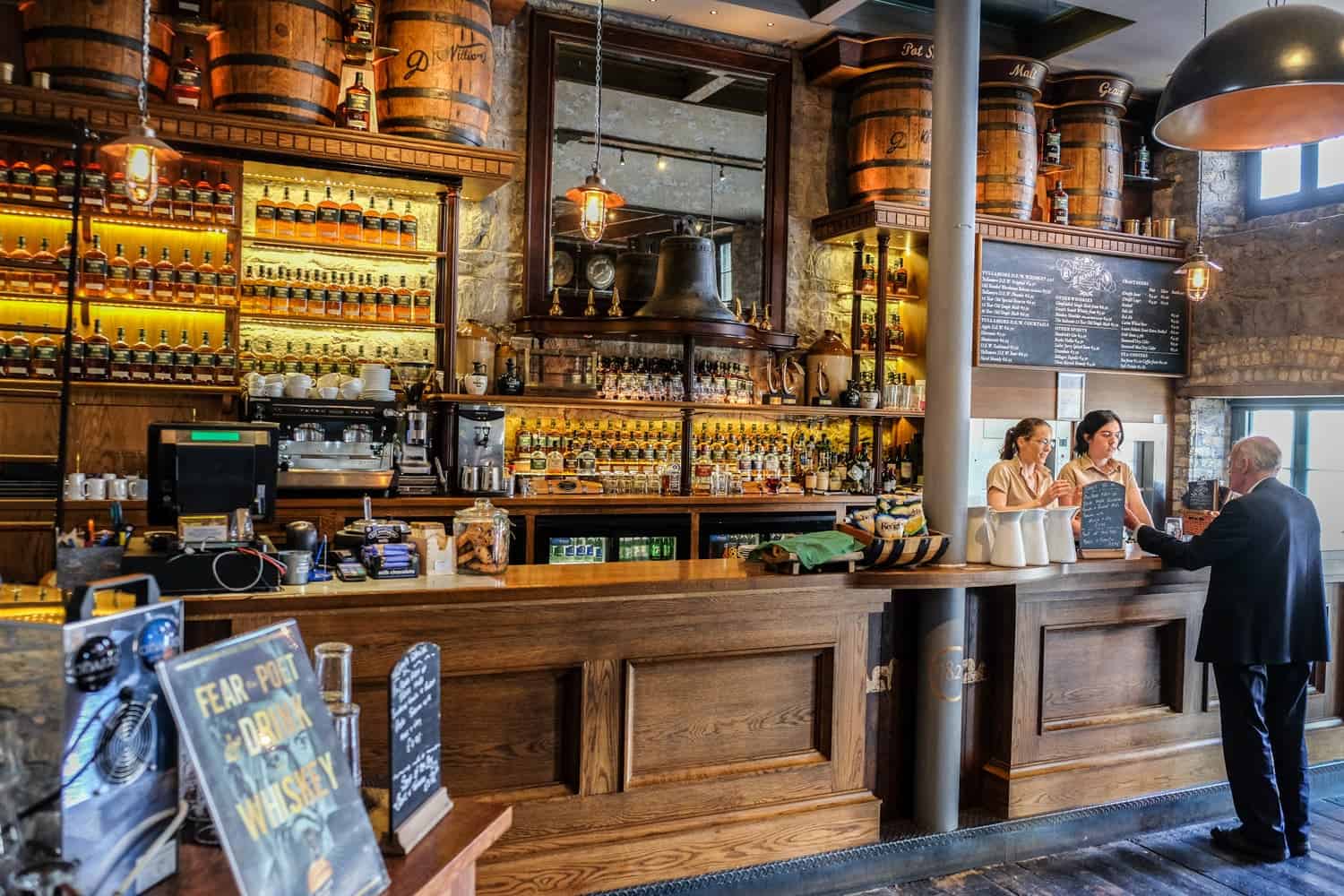
Yet Tullamore’s foundations go further than distilling, with an ancient ruin concealing stories of invasion and conquest before whiskey made Ireland famous.
The Ruins of The Rock of Dunamase
Directions: From Tullamore town, head south on the N80 for 45 minutes to reach the Rock of Dunamase.
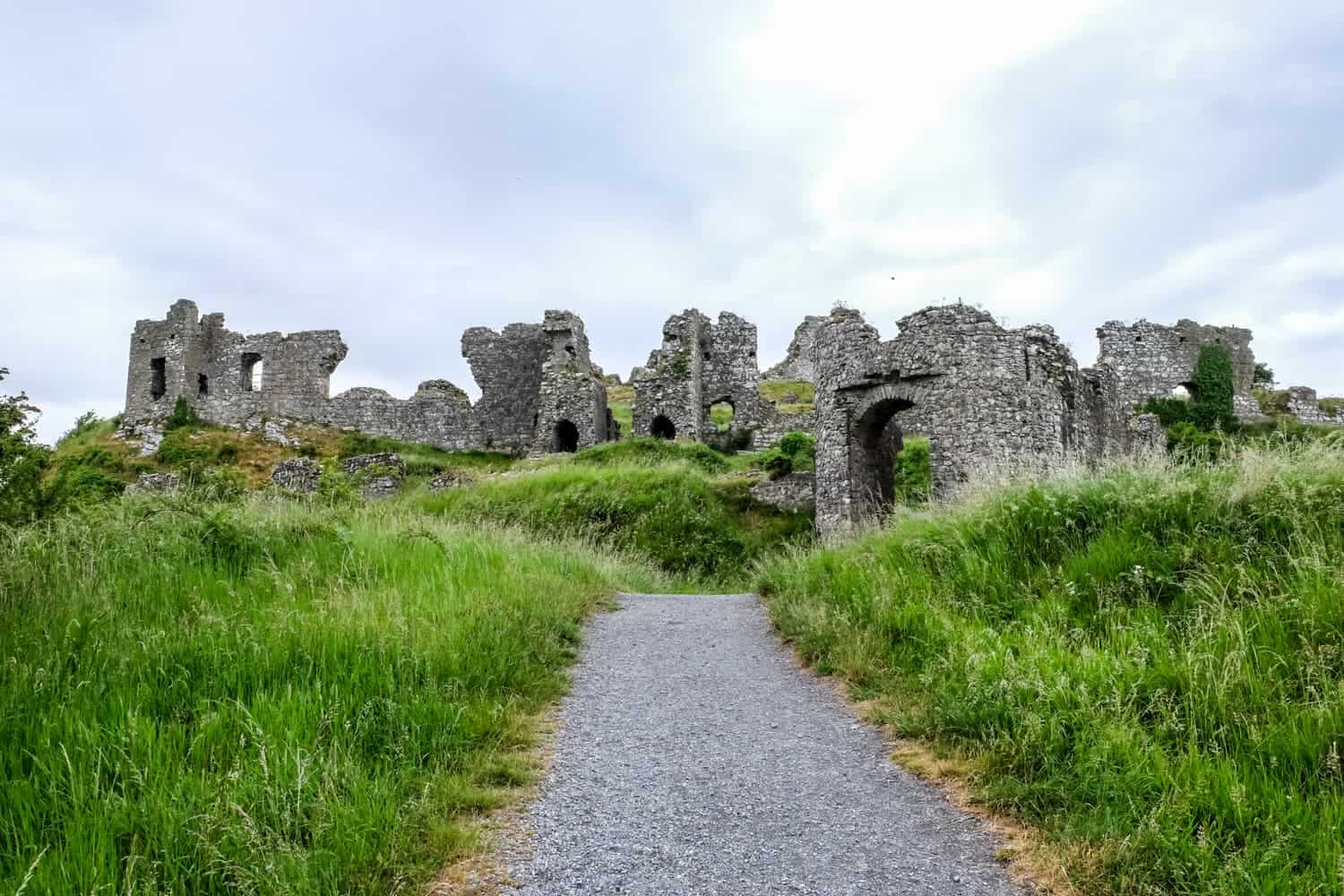
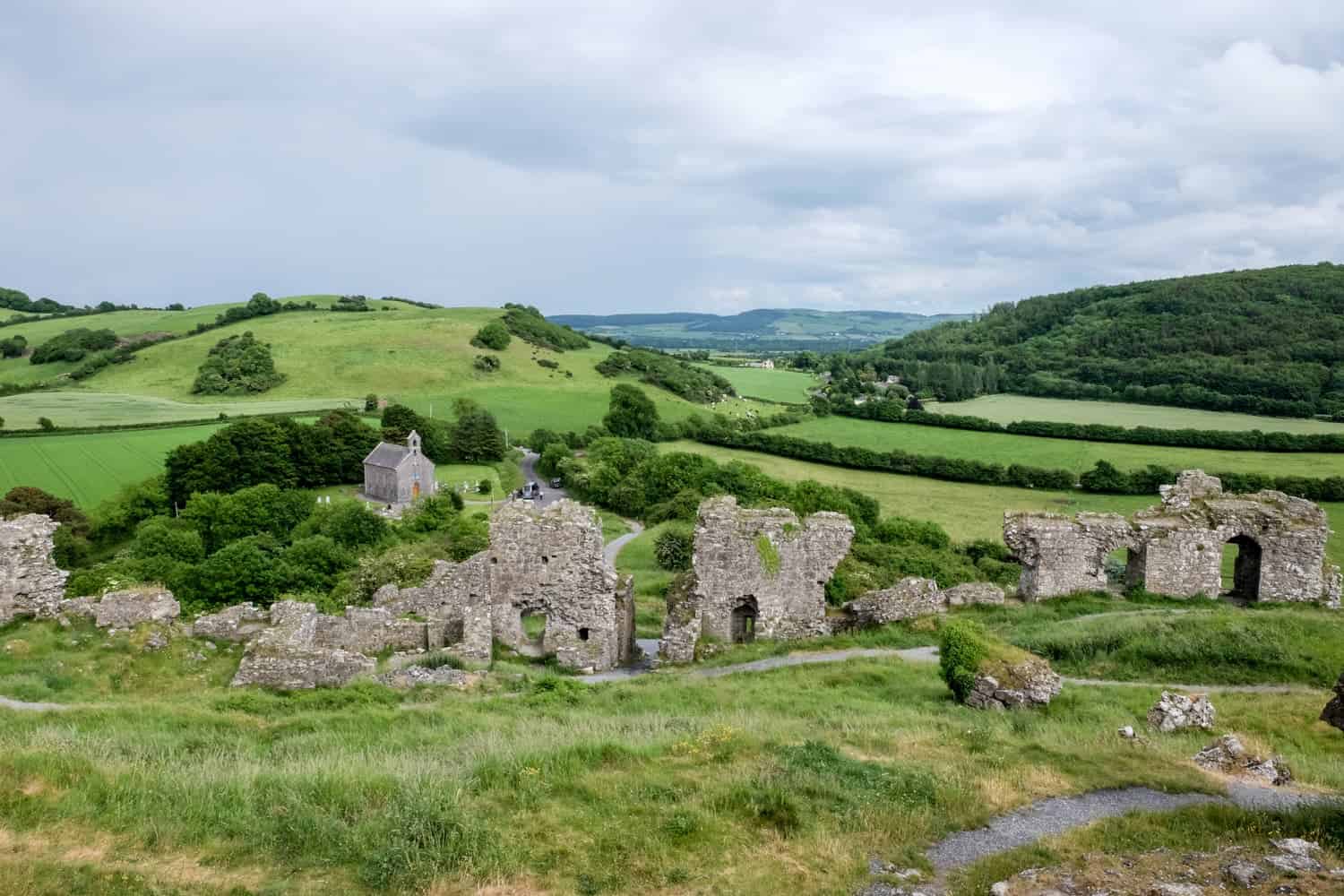
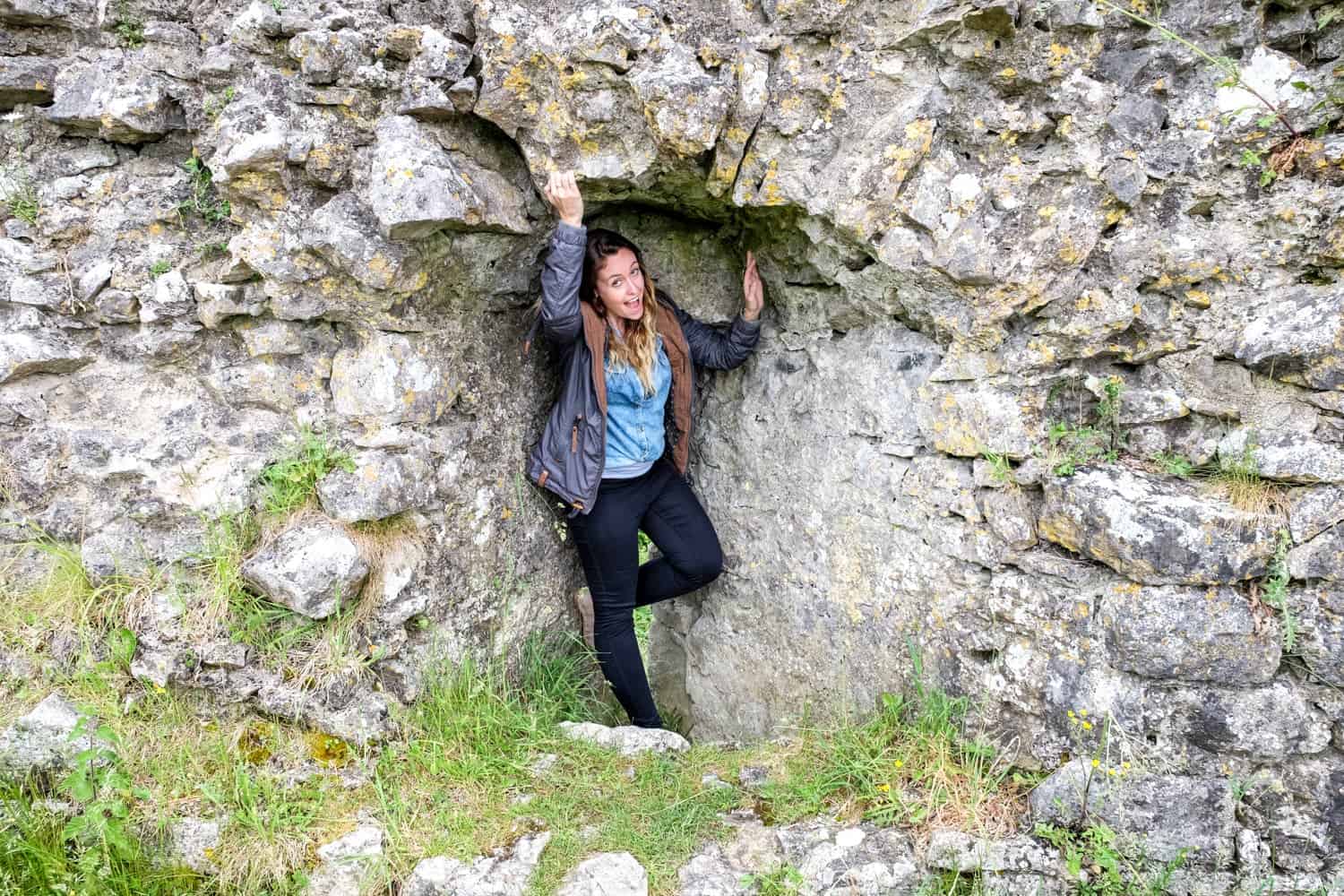
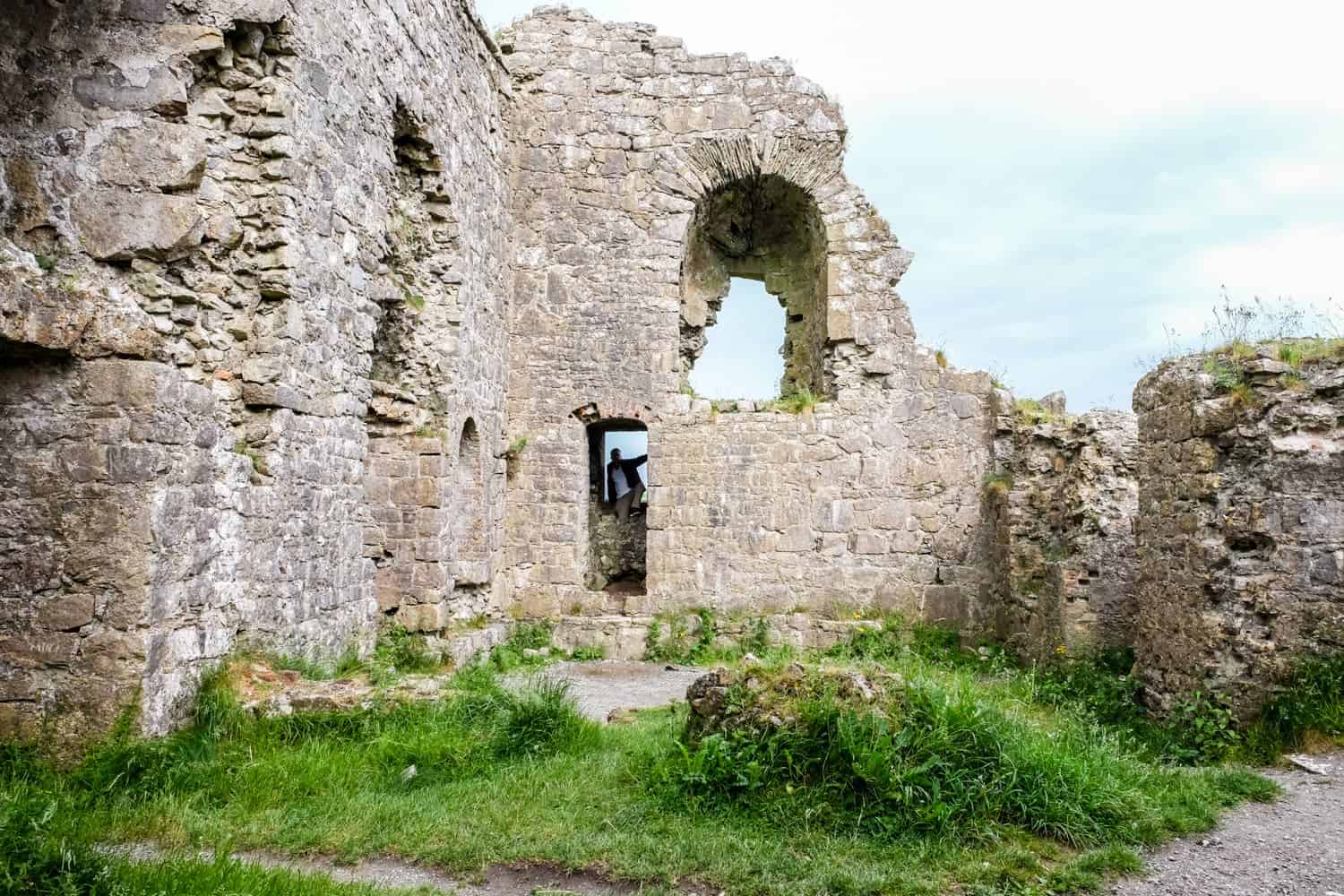
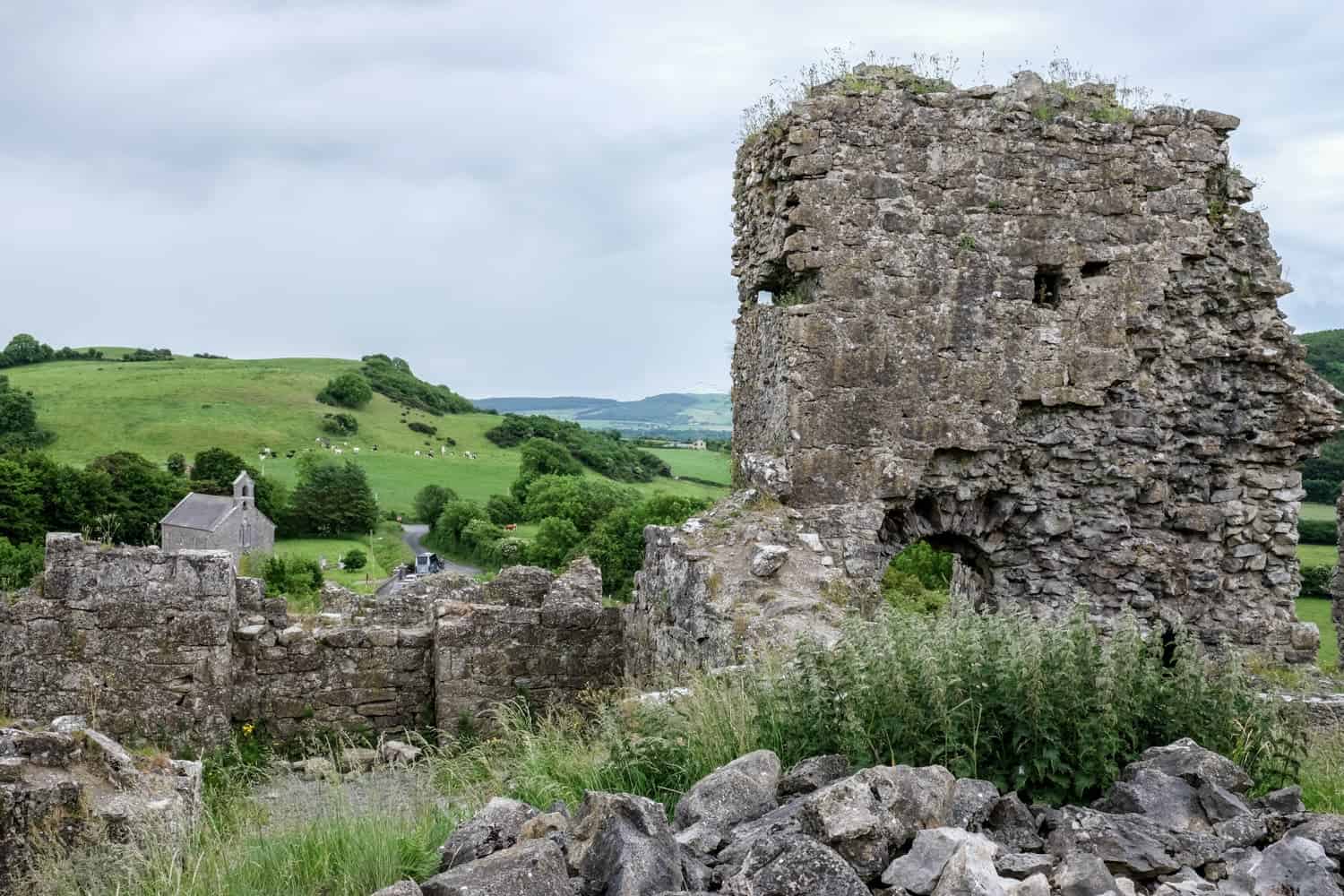
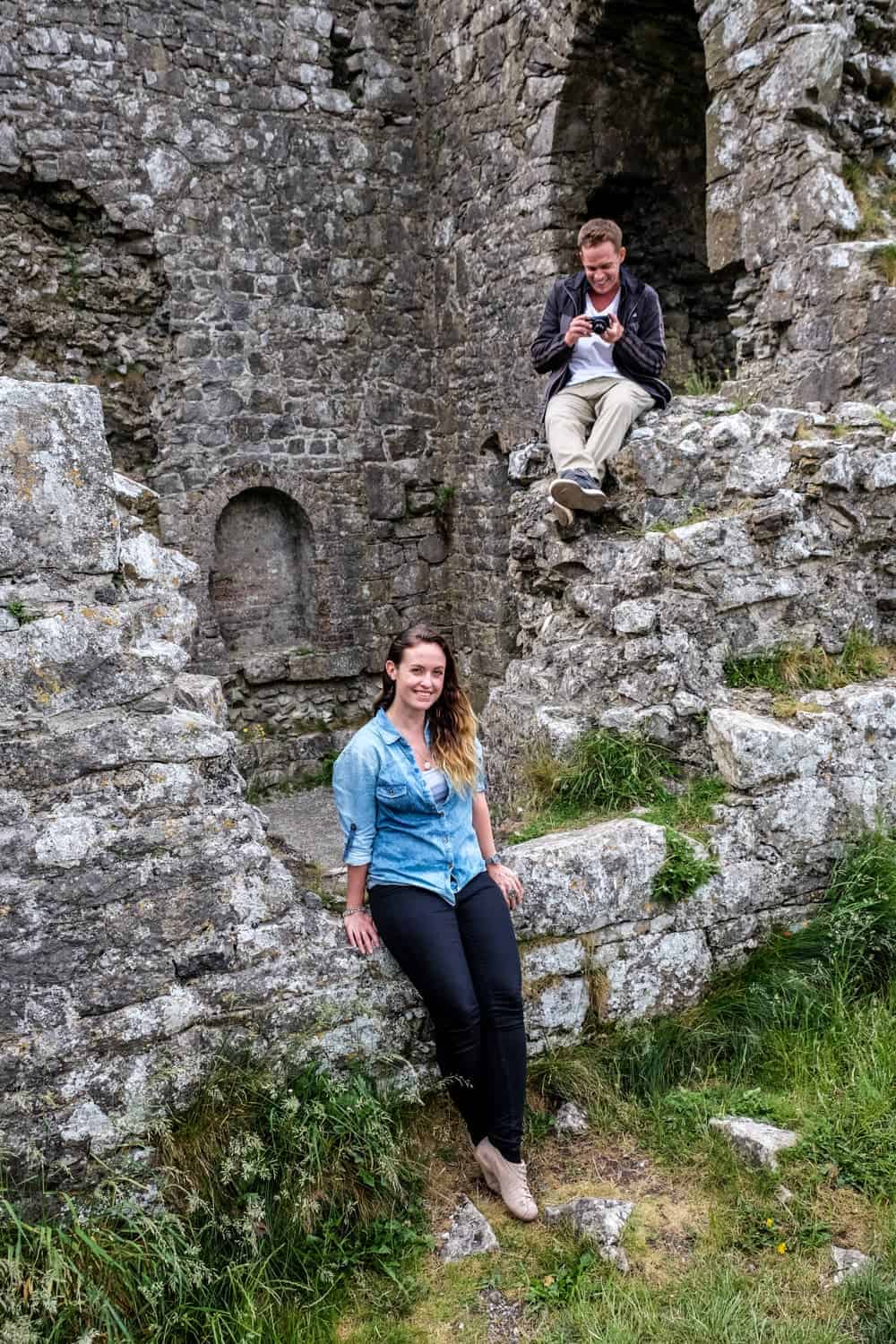
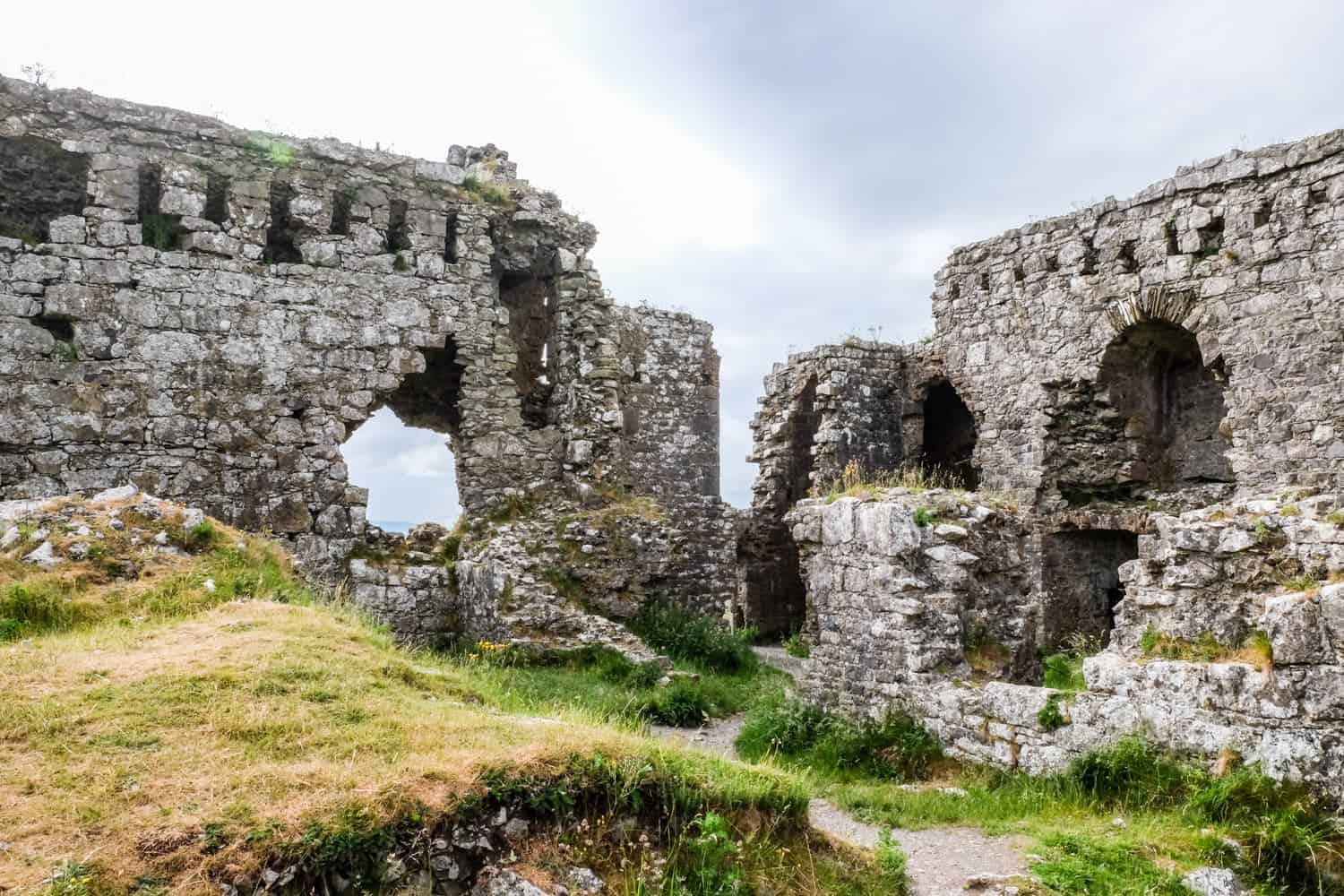
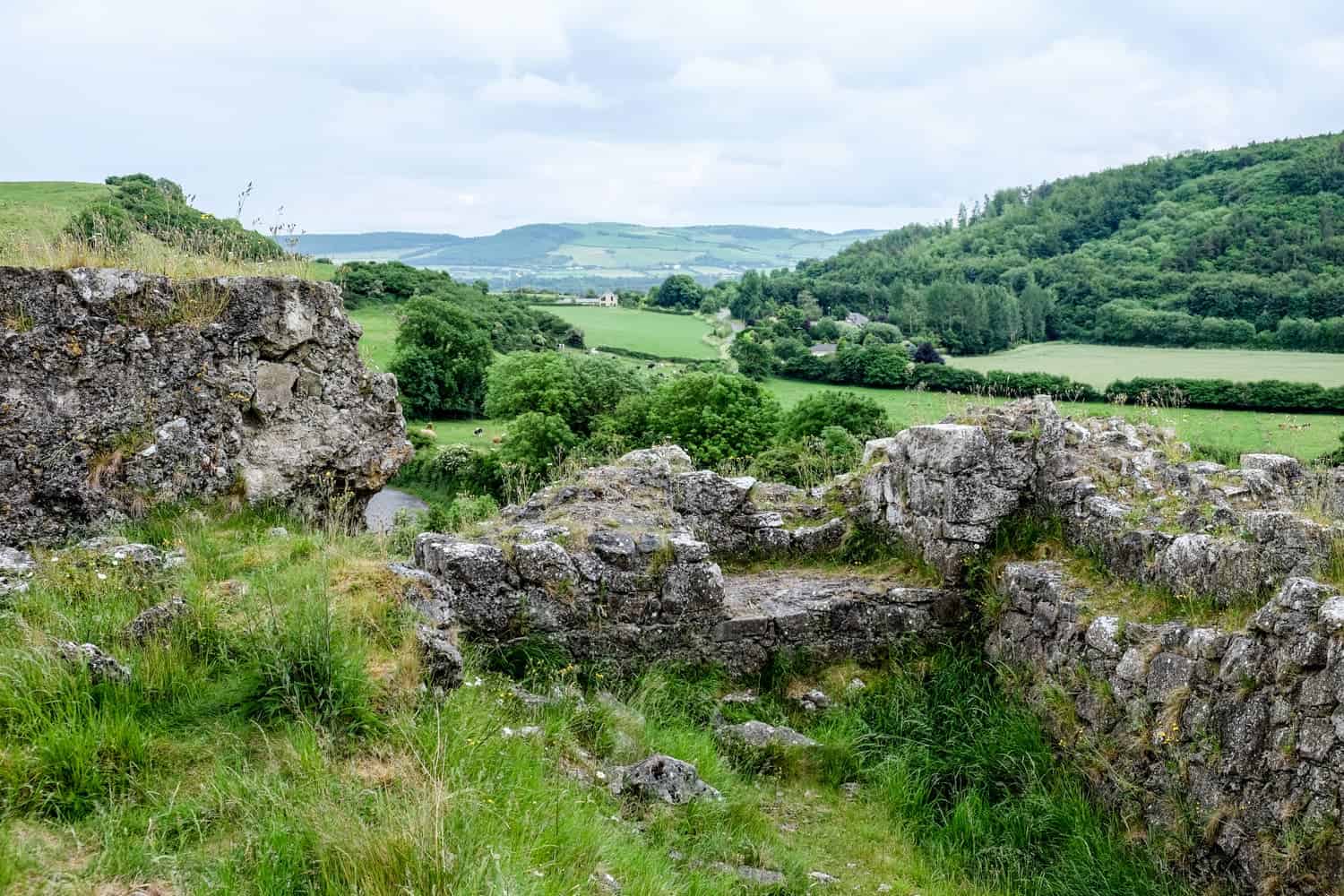
The Rock of Dunamase is a castle ruin that dates back over 2000 years, poking through the layers of uneven hillsides, surrounded by farmland and encased in crumbling stone walls. It started life in the 6th Century, and after the Normans invaded in the 12th Century, it was built over and used as a fort. I climbed its walls and stood within the frameworks of its old windows, looking out onto a new and prosperous Ireland.
A small group of us stood on its edges and pondered Ireland that once was, in a fort we had to ourselves – we, the curious type of invader, there to tell its story.
Step Inside Ireland’s Oldest Pub in Abbeyleix
Directions: From the Rock of Dunamase, continue westward on the N80, picking up the R425 south that connects to the N77 to Abbeyleix. It’s a short 20-minute drive.
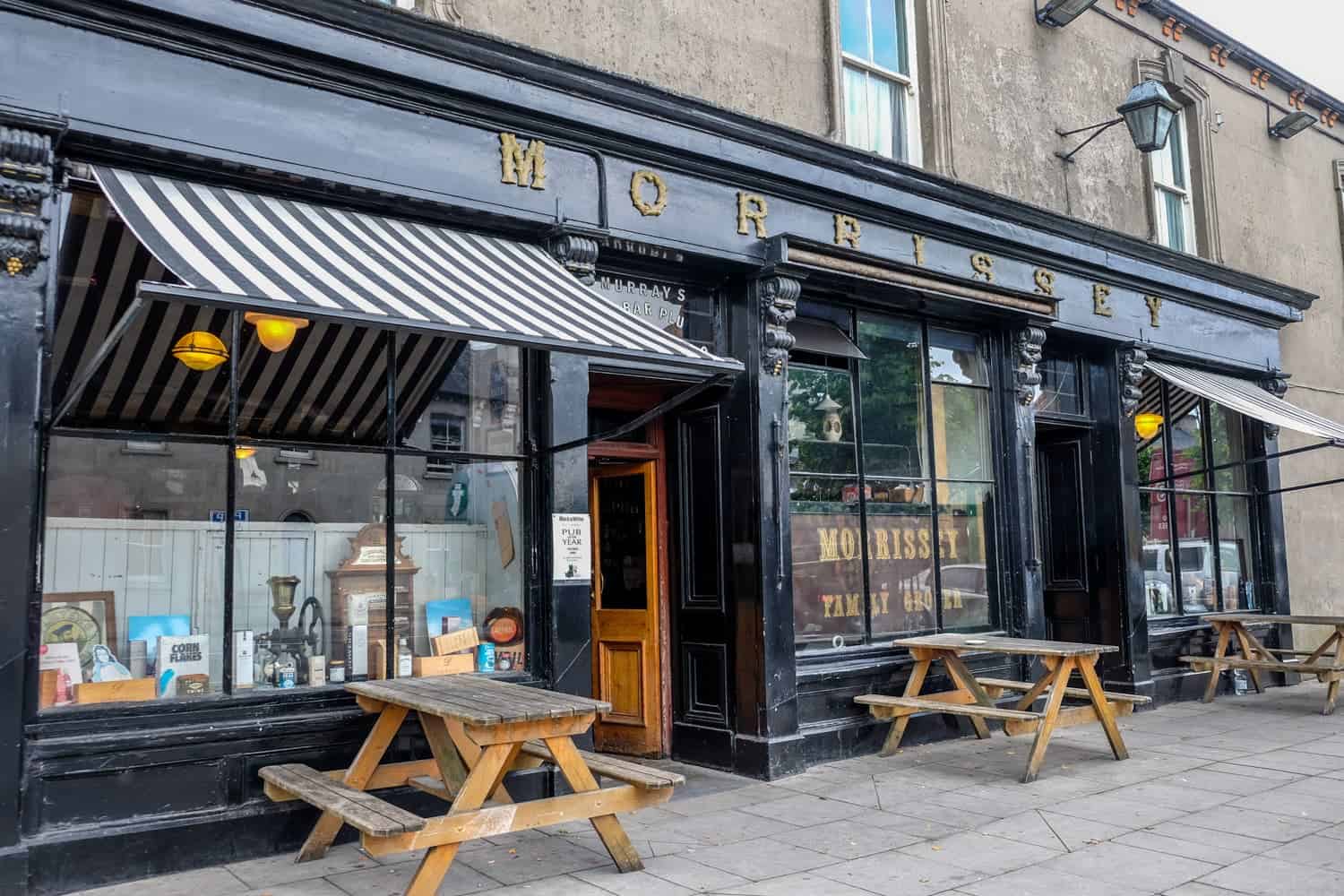
No trip in Ireland is complete without time spent in an Irish pub (or two), so it was only fitting on this trip to the southeast that the first pub stop was to Ireland’s oldest pub, Morrissey’s, in the heritage town of Abbeyleix.
Back in the day, the pub wasn’t just where you downed a pint of your favourite ale or stout, but an all-in-one stop shop where you could pick up your groceries and hardware goods. The Irish pub was the centre of everyday life. Very much how it remains now.
Stay in Castle Durrow
Directions: From Abbeyleix, continue south for 10km on the N77 to Durrow town. The Castle Durrow estate is on a private road that connects to a main throughfare called The Square.
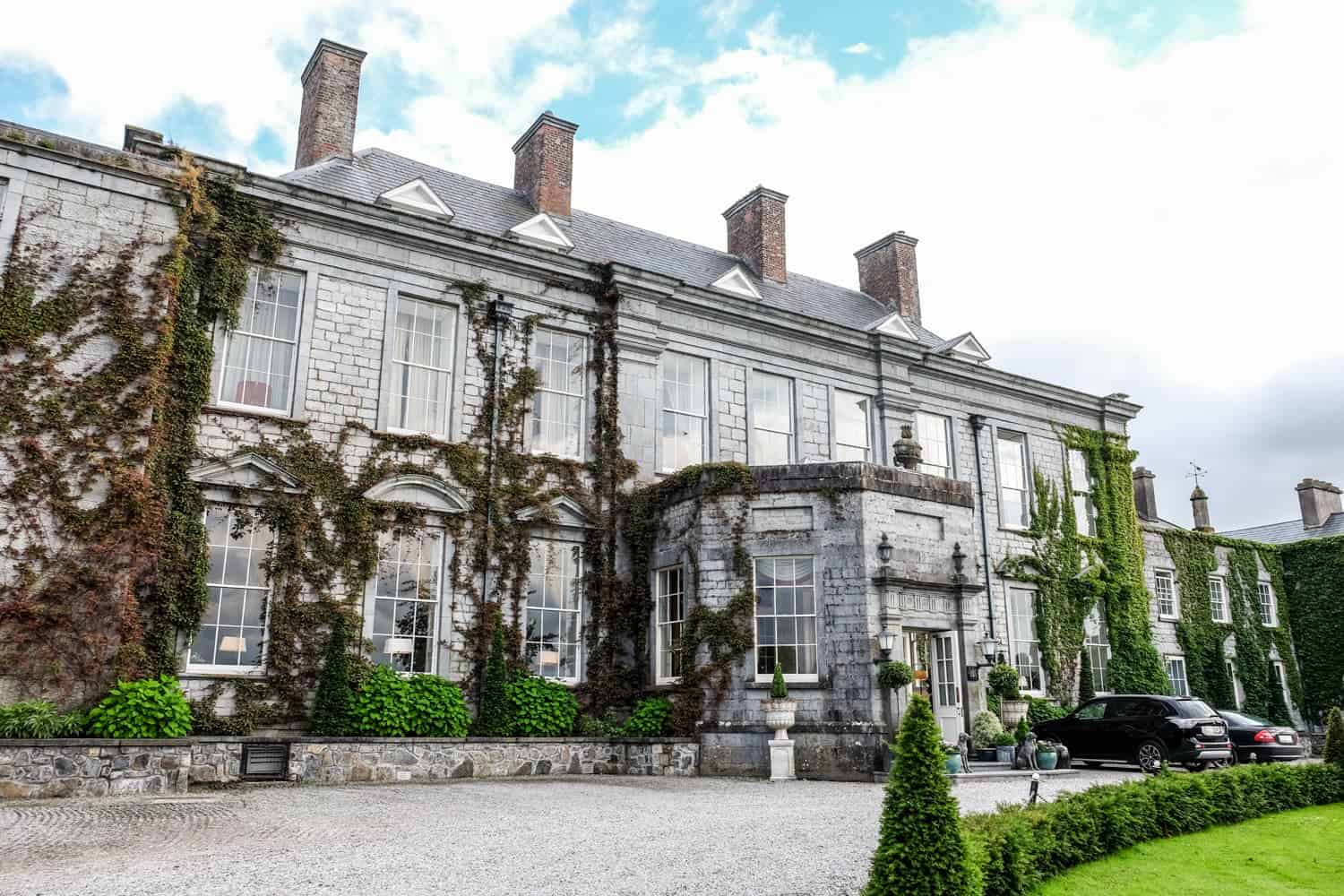
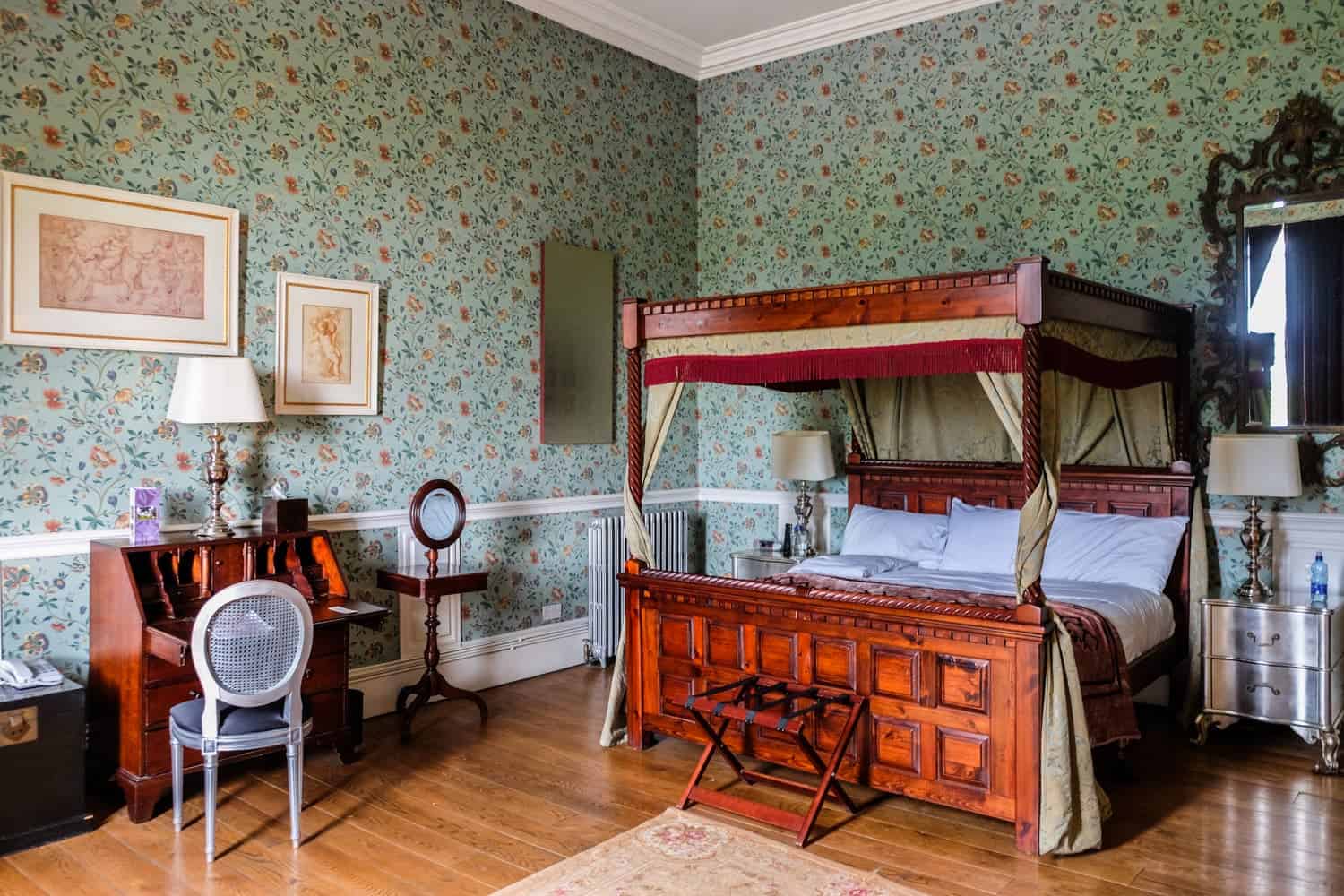
From rock ruin to pub, the next stage of understanding old Ireland is from its days of barons and viscounts and generations-long lineage of title and splendour. An overnight stay at the 18th-century Castle Durrow country home was a chance to experience the noble way, dining and sleeping in high-stature, classic interior design rooms. Abbeyleix also has period property stays, including Preston House.
Day Two in Ireland’s Ancient East
Tipperary and the Rock of Cashel
Directions: From Durrow and in the direction of Tipperary, head southwest on the R639, M8 and N74 for 55km to reach the Rock of Cashel site.
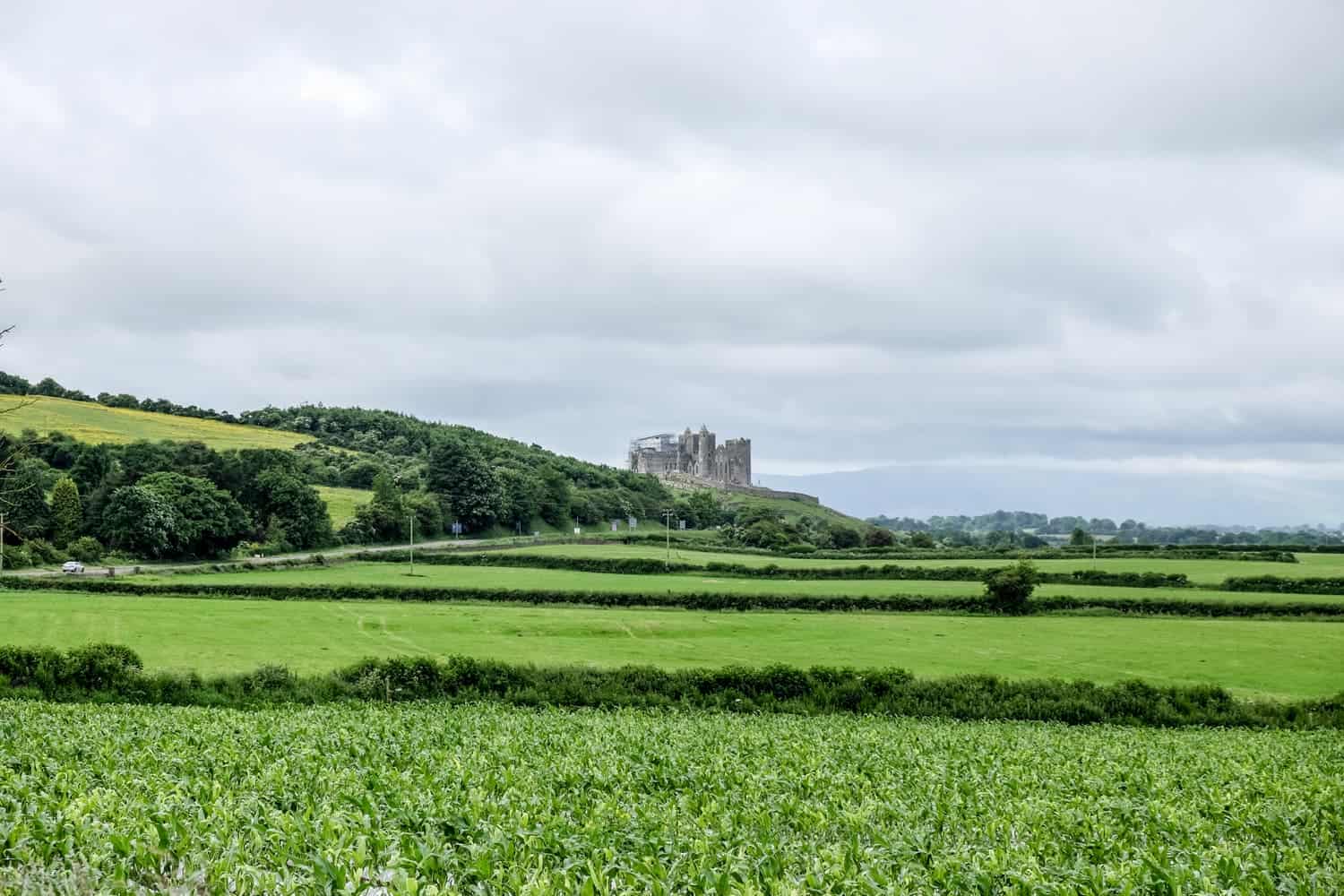
Heading towards Tipperary and singing the famous “It’s a long way to Tipperary” song on the way (which we learnt isn’t actually about the County in Ireland), we beelined straight for the area’s hilltop beacon, The Rock of Cashel. Cashel’s countryside is dominated by this mighty rock set atop a mound of limestone in an area known as the Golden Vale.
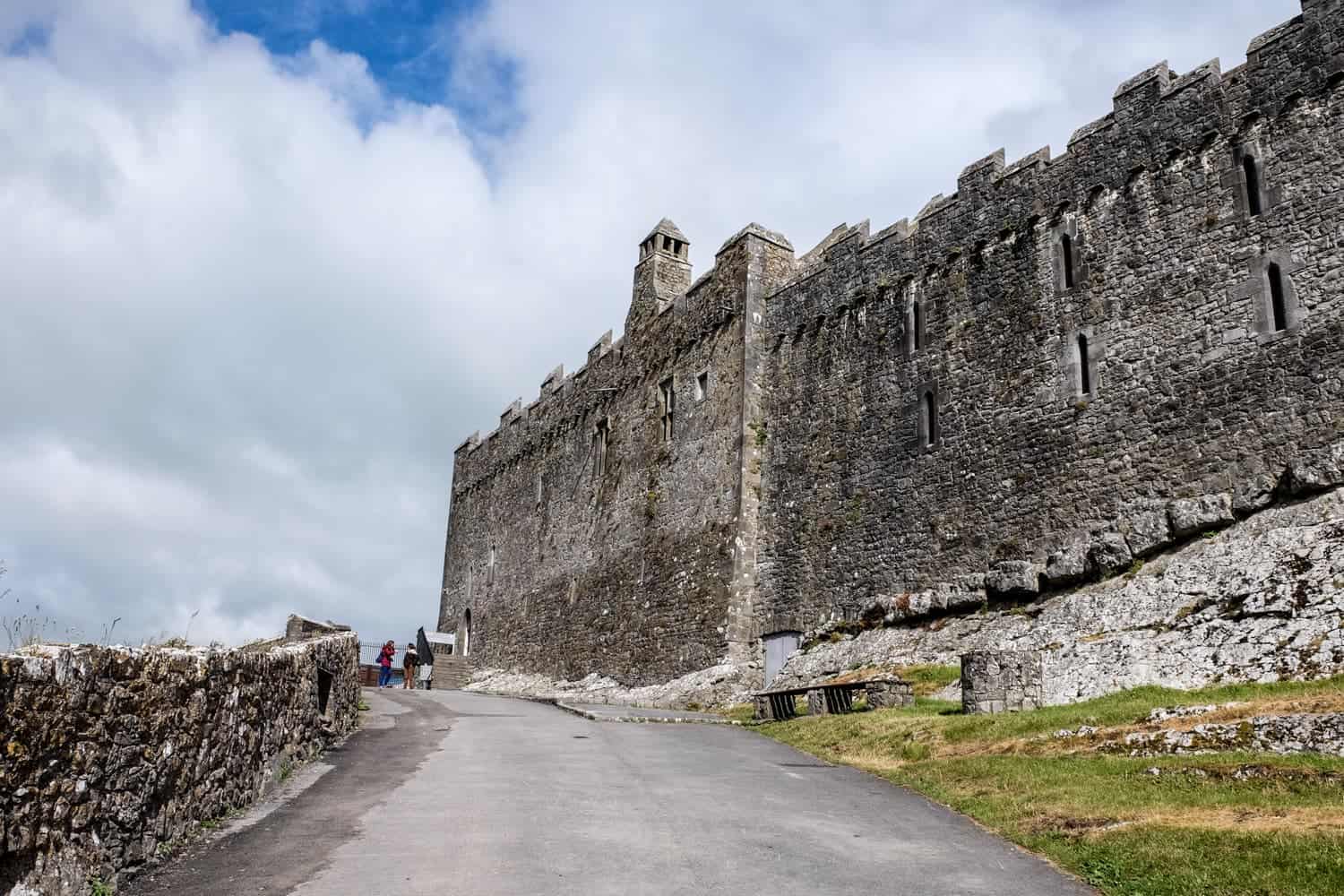
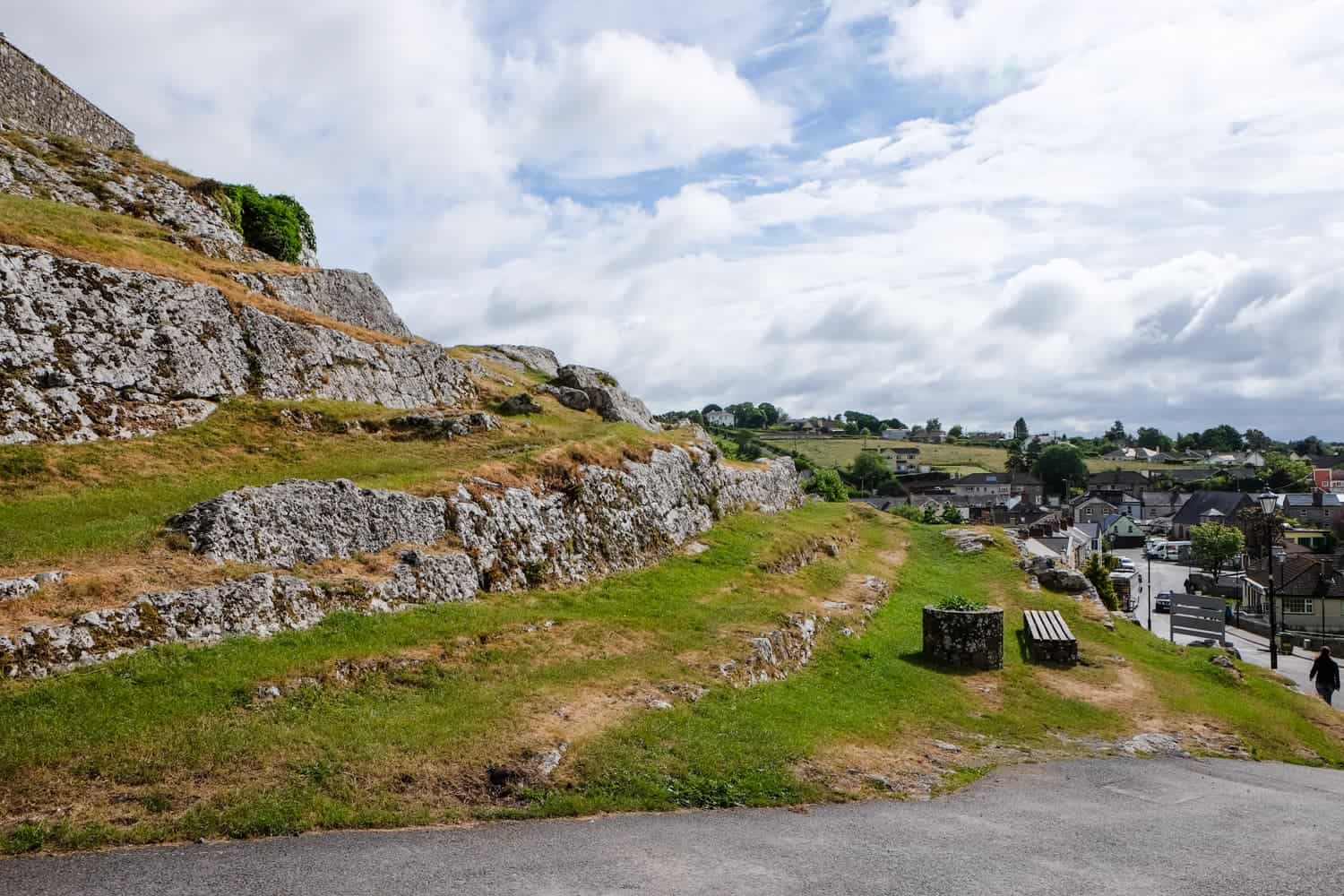
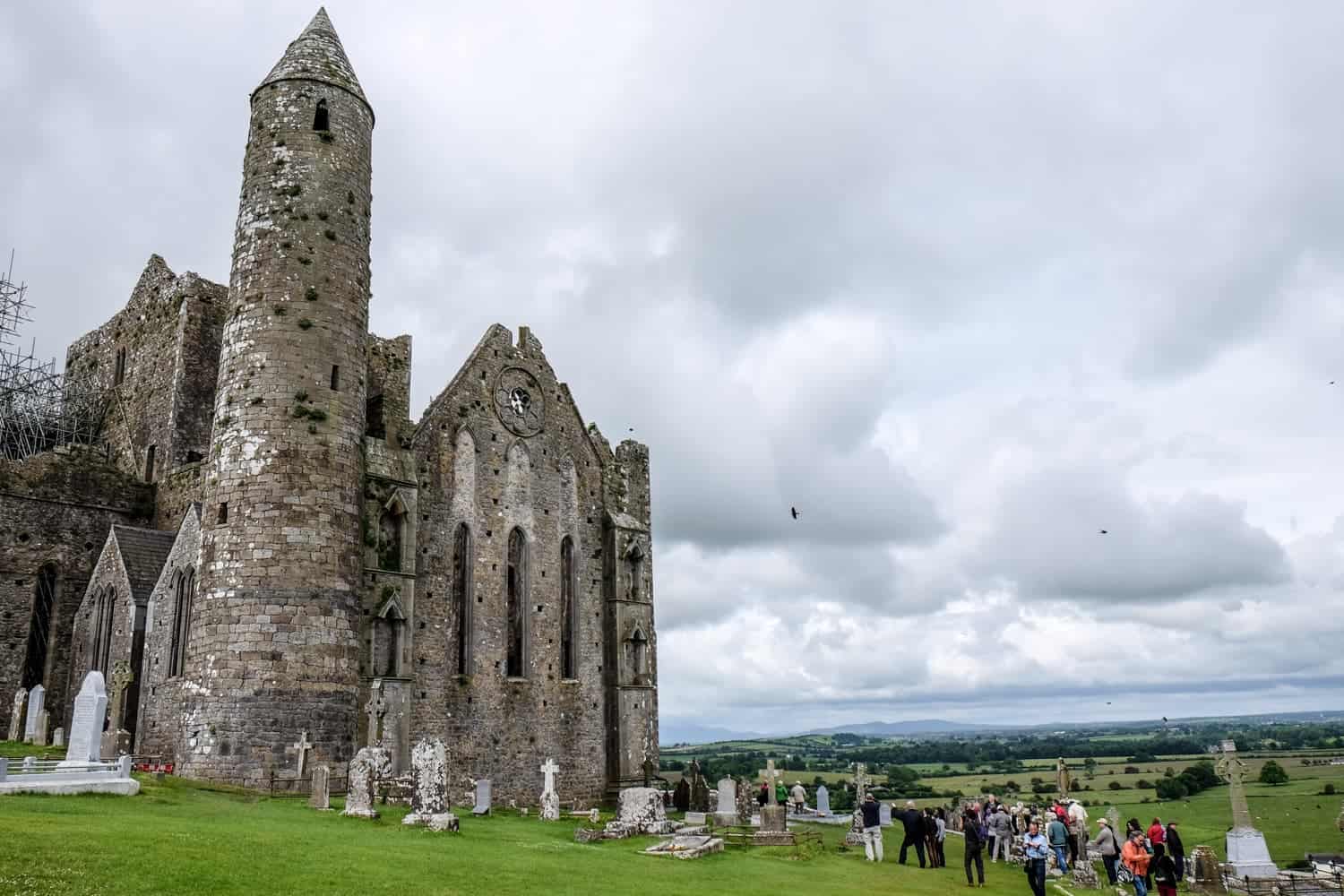
A collection of early Christian and medieval buildings, including a 12th-century Round Tower, a High Cross and Romanesque Chapel, a 13th-century Gothic cathedral, and a 15th-century Castle, this complex of ruins is one of Ireland’s most well-known relics, also known as St. Patrick’s Rock. It was once a fort of the Kings of Munster for several hundred years, and later gifted to the church in 1101.
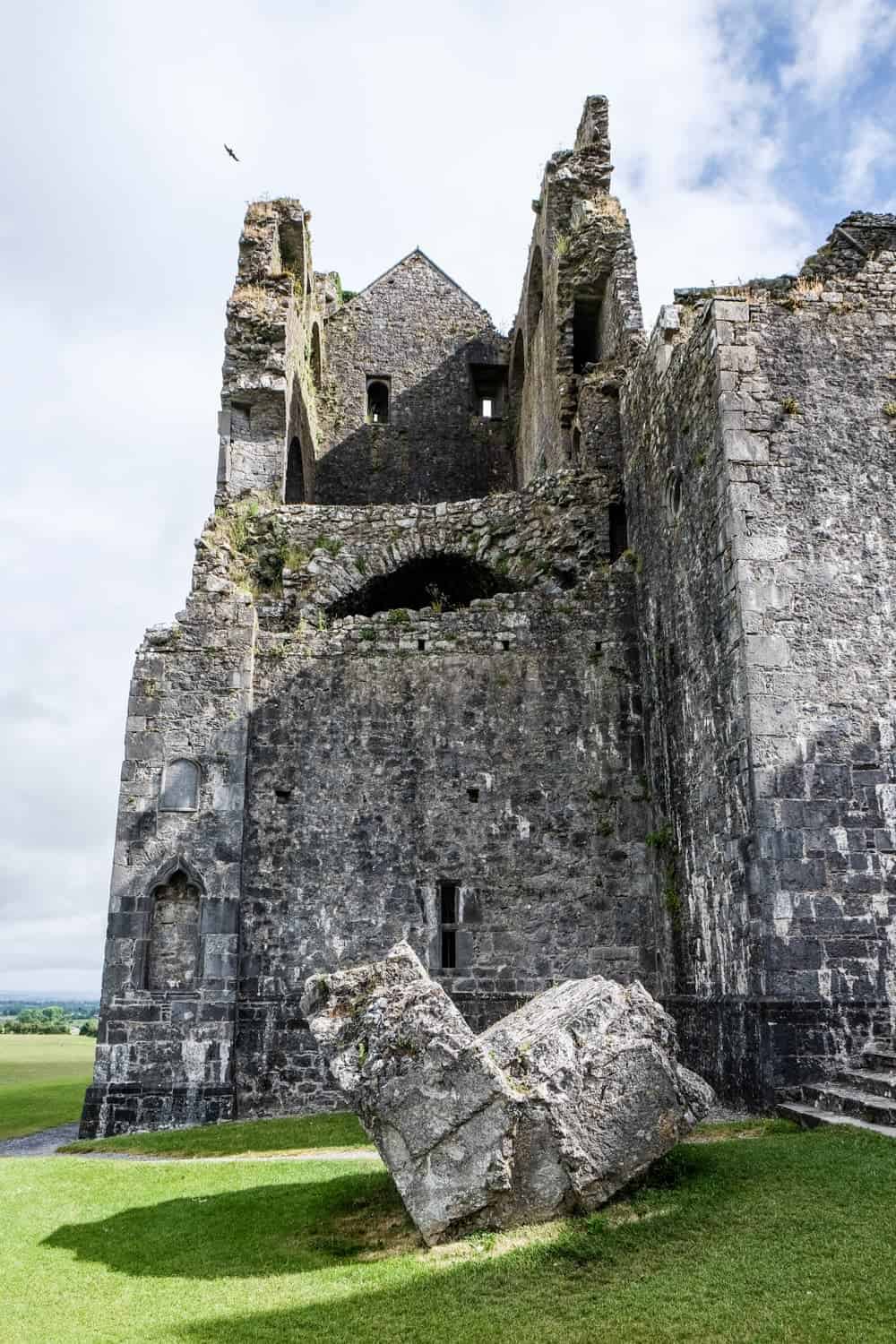
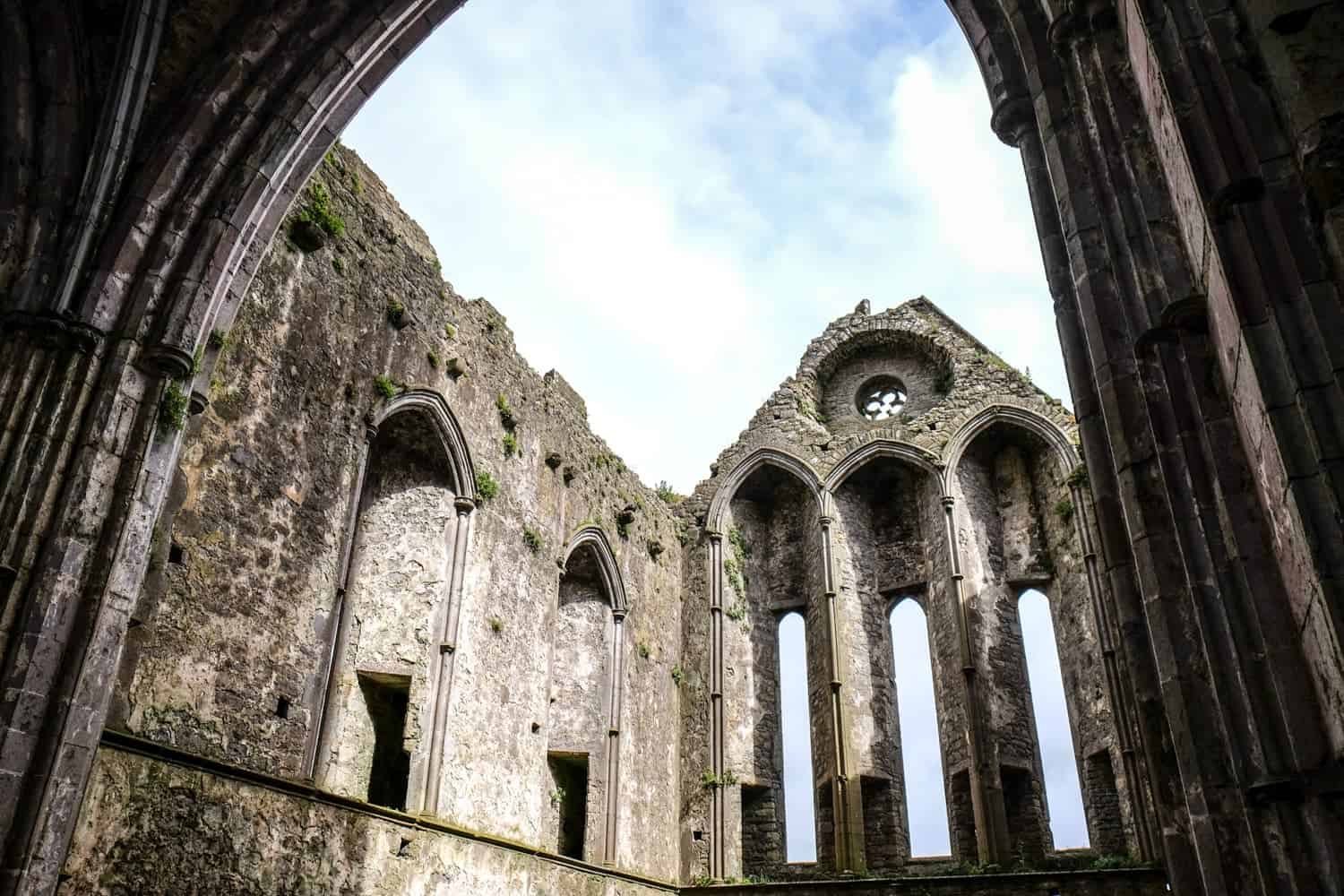
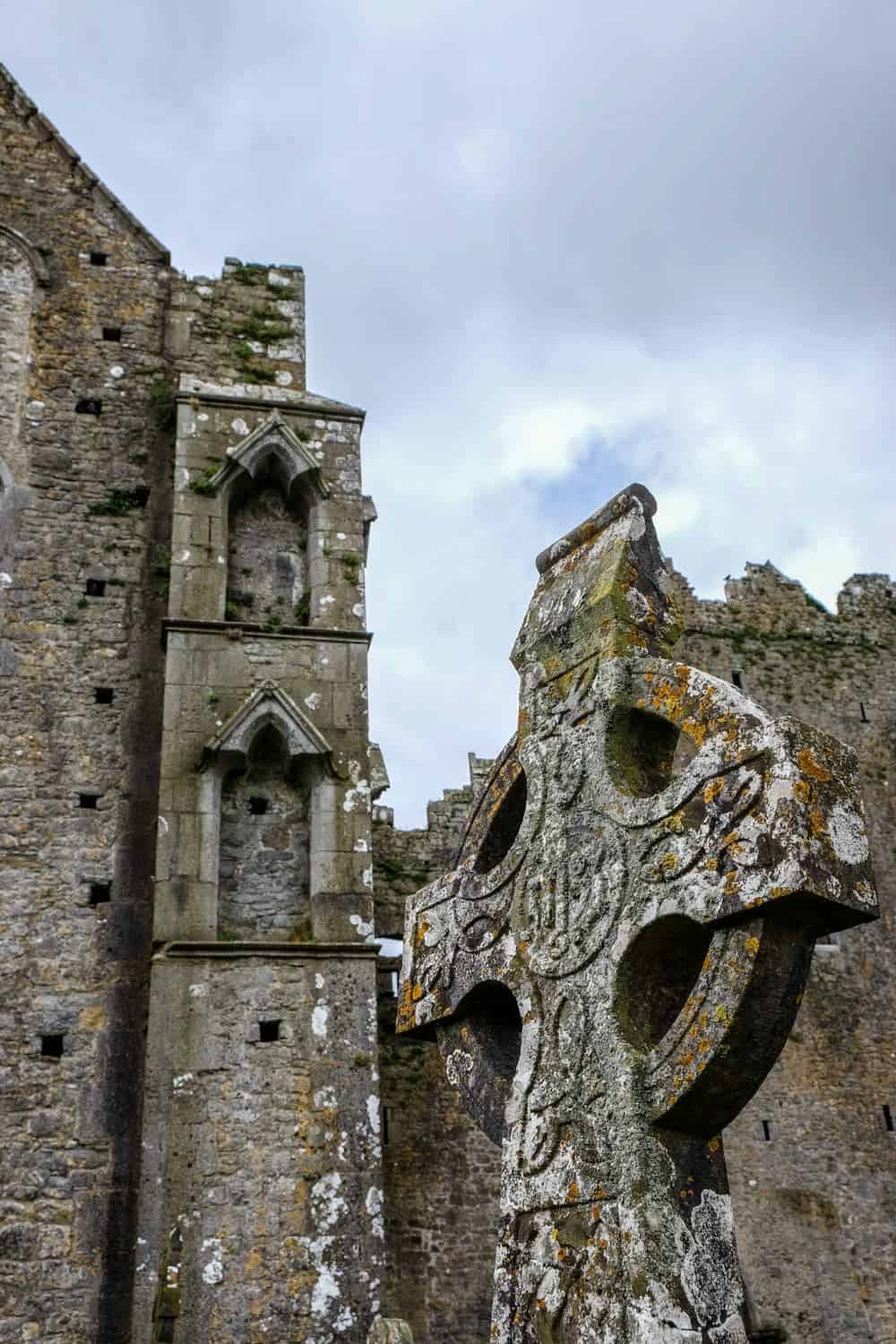
Hore Abbey Ruins
Directions: Hore Abbey neighbours the Rock of Cashel site, and you can access the ruins on foot in under 20 minutes, or its a 5-minute drive on the L1500 Circular Road.
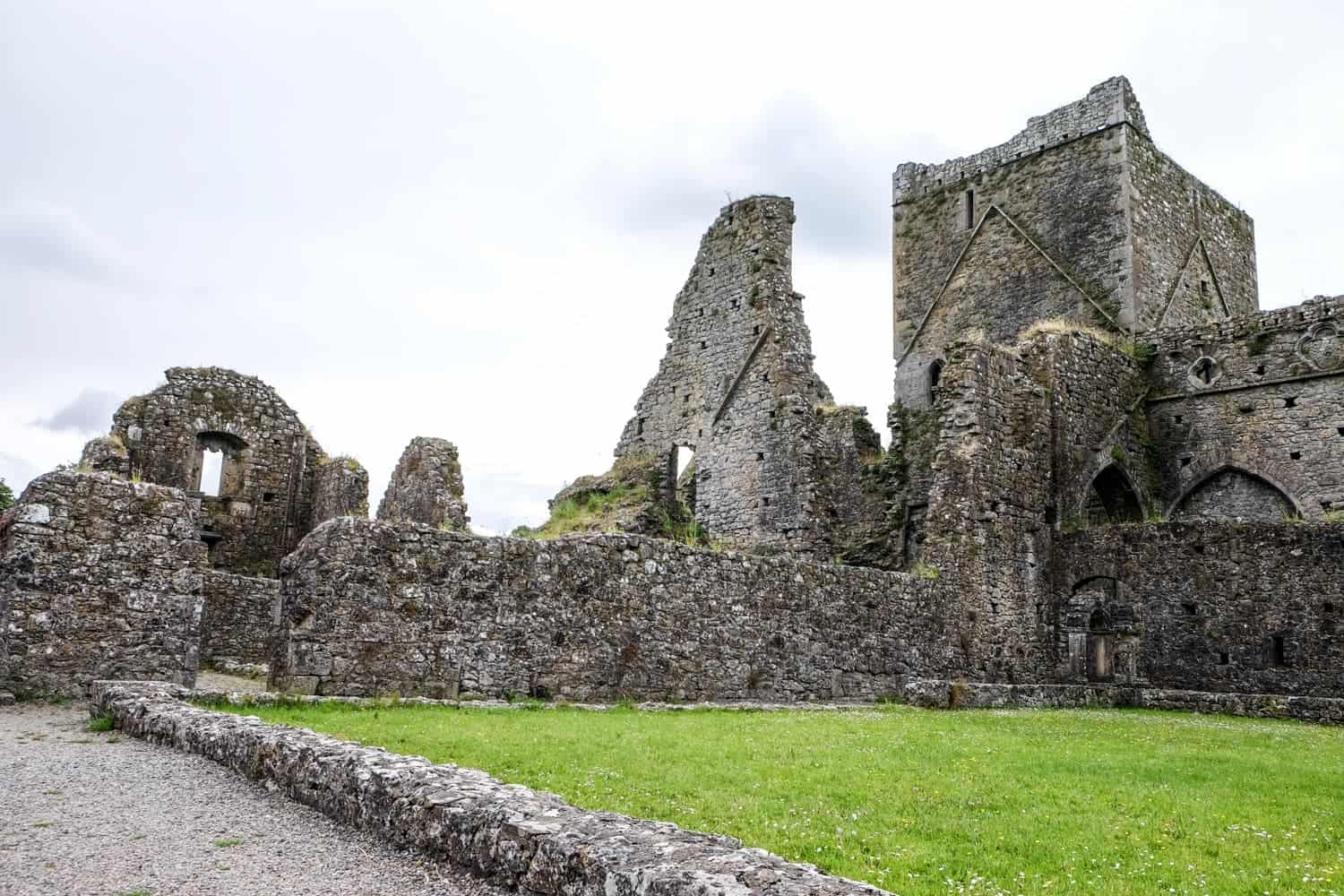
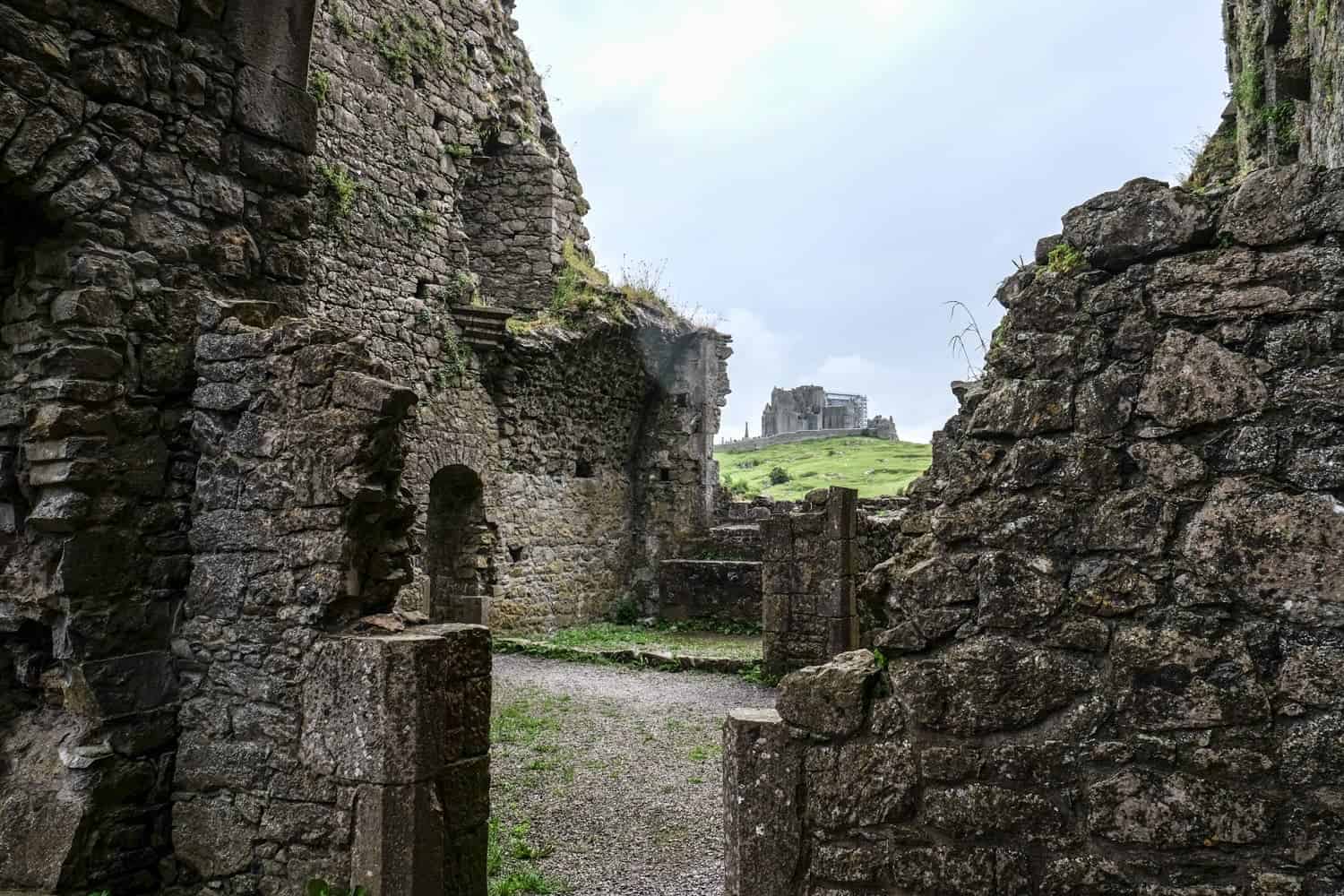
You may be intrigued by the structure in the near distance, and it’s a worthy stroll to the crumbling Hore Abbey that sits wearily in the grounds below the Rock. History lingers here in isolation and eerie calm, but from the Abbey’s spooky, unkempt windows frames, you’ll find an incredible view up to The Rock of Cashel from a distance.
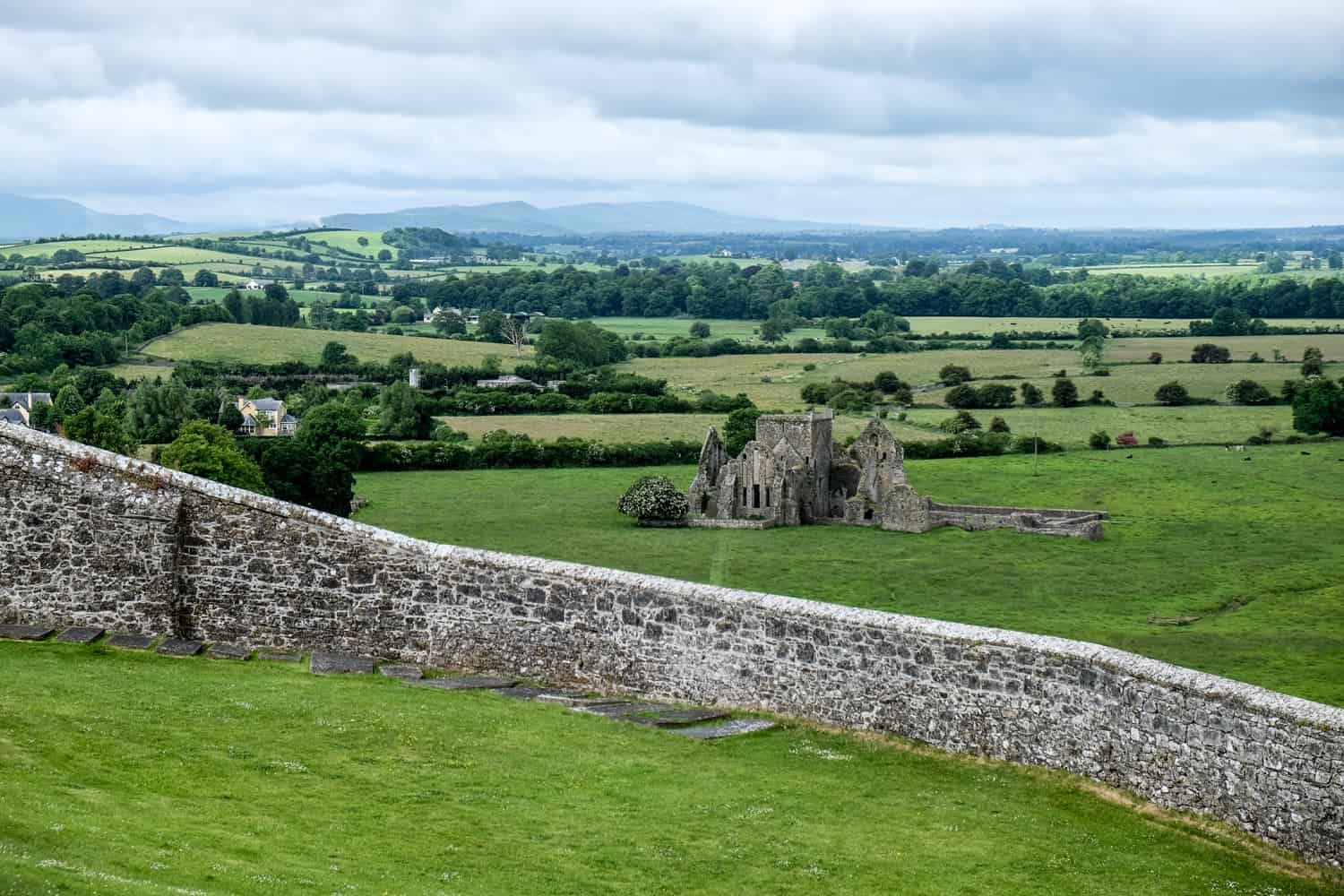
Visit Waterford – Ireland’s Oldest City
Directions: It’s time to head 75km southeast towards the coast. On this 90-minute drive from the Rock of Cashel, pick up the R688 south and the N24 east to Waterford.
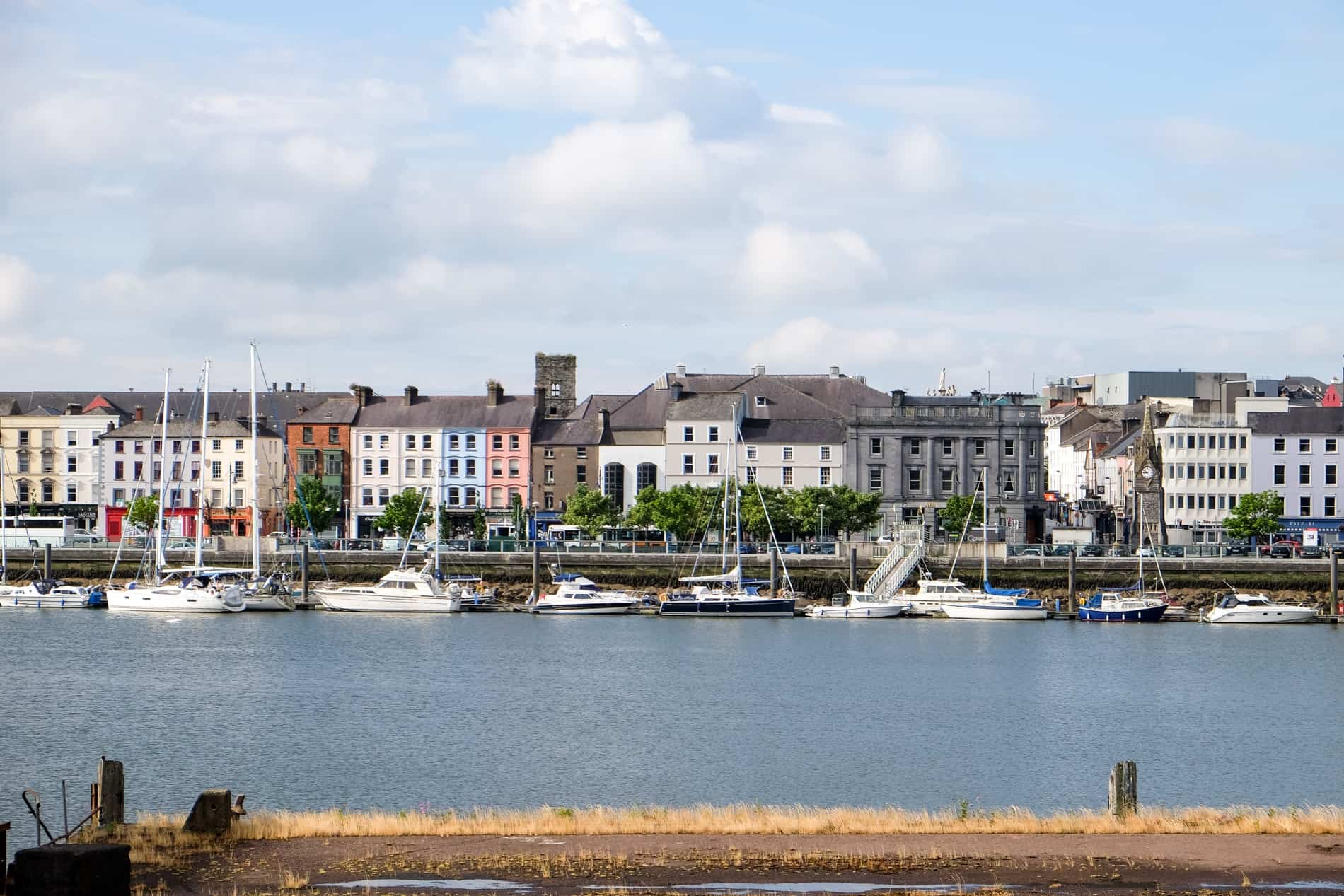
The second half of the day was spent exploring Ireland’s oldest city of Waterford, where a Viking moored his ship over 1,100 years, giving Waterford the title of ‘where Ireland began’.
A city captured by the Normans in 1170, who set in stone the first layers of what we see today, The Old Town has become the site of the ‘Viking Triangle’ – a walkable historical trail that includes the colourful, artefact-filled Medieval Museum, the 18th century Bishop’s Palace (recording Waterford’s history from 1700-1970), Christ Church Cathedral and Reginald’s Tower (housing a Viking exhibition) that stands next to a replica 40-foot Viking longboat.
READ MORE: Waterford Viking Triangle – Visiting The Oldest City of Ireland
Day Three in Ireland’s Ancient East
The Lost City of Jerpoint Park
Directions: From Waterford, head north on the M9 and pick up the R448 northeast to Jerpoint Church. Jerpoint Park is open sporadically, so it pays to check in advance whether it is open.
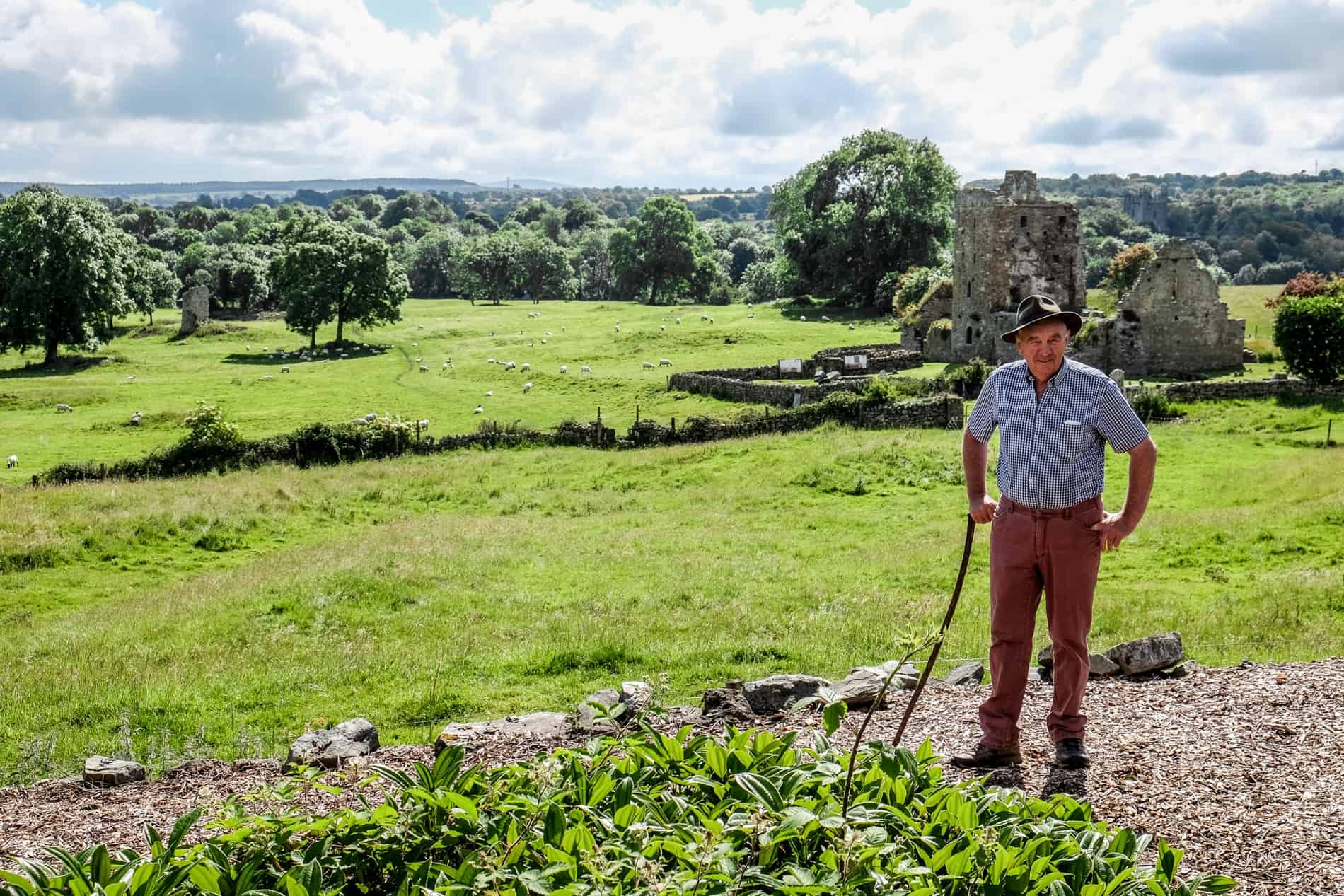
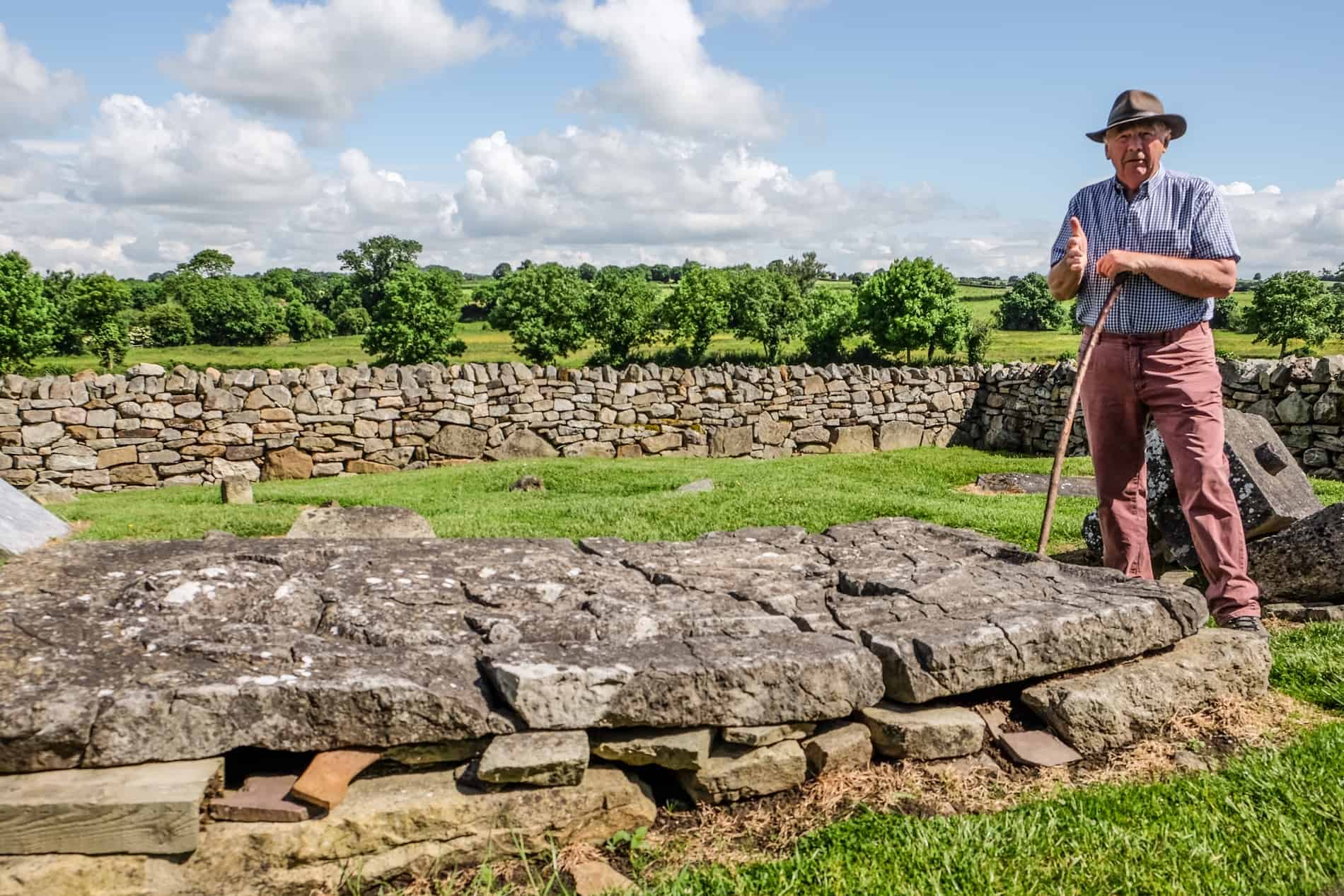
The final day of historical digging began in the County of Kilkenny, with the fascinating story of a former pig farmer, Joe, who unearthed an ancient kingdom when buying a plot of land in retirement. Instantly, Joe became the appointed caretaker of Jerpoint Park – the 12th Century lost, medieval town.
The town was established over 800 years ago before vanishing from all records in the 1600s, and the raised mounds of earth and curves in the grassland are said to conceal what was once a prosperous town including 27 houses and 14 Taverns. It’s the focal point though, is the uncovered Church of Saint Nicholas, which contains the very tomb of the famous saint.
READ MORE: Visiting Jerpoint Park – Unearthing a Lost 800-Year-Old Town
See Kilkenny – Ireland’s First Medieval Capital
Directions: From Jerpoint Park, follow the N10 north for 20km (25-minutes) to Kilkenny. From Waterford (if skipping Jerpoint Park in between), take the M9 north for 59km and the N10 west into Kilkenny. From Kilkenny, it’s about a 2-hour drive northeast to Dublin on the M9 and N7.
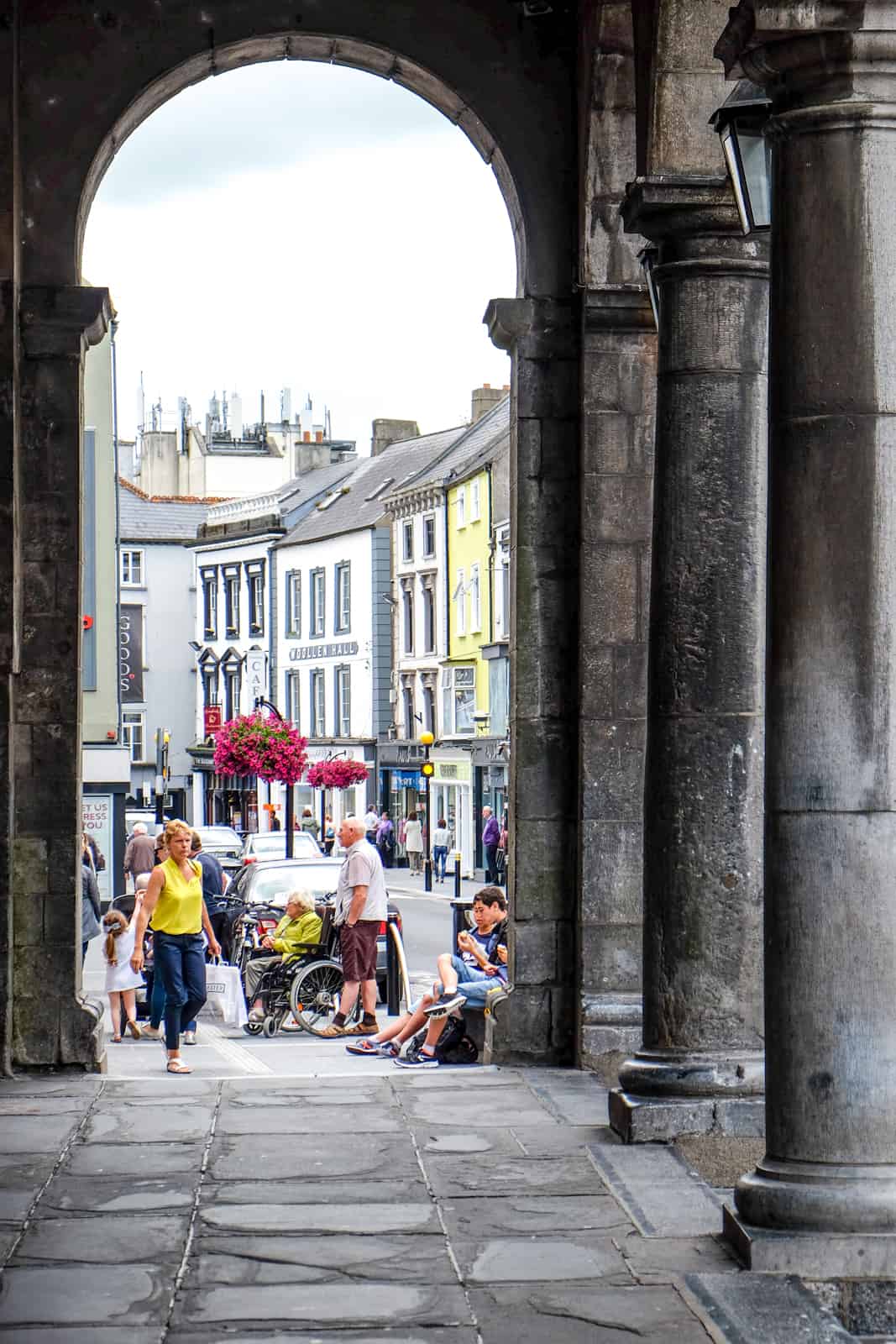
From Ireland’s deserted medieval borough to the country’s first medieval stronghold, Kilkenny was one of my favourite spots on this trip. Once the great medieval capital of Ireland, Kilkenny’s 1,500 years of heritage run through its laneways, famous old slip lanes, stairwells, walled-city gates, towers and stone-clad landmarks.
It’s a colourful and vibrant city to wander in with seven gates, a castle, nine churches, two cathedrals, and an impressive selection of around 70 pubs! The merriment that is known of this culture goes back to the ancient days of brewing and enjoying the ‘liquid sunshine’. But should you find yourself in a situation where it’s difficult to decide where to go, then head to the street where six of them are lined up in a row, or to the famed Kytelers Inn – the oldest of all in Kilkenny and at the centre of Ireland’s (and it is said Europe’s) only witch trials took place here in 1324.
READ MORE: The Kilkenny Medieval Mile Trail – Ireland’s First Medieval Capital
When I returned home, my DNA test results came through, placing a genome linage of around 4,000 years in this very country more so than I thought.
I’m a very small part of the 5,000 years of history I retraced in rocks and ruins and old towns filled with the sounds of old stories and song.
But for a short while, I went home.
Things to Know About Travel to Ireland’s Ancient East
- In European history, the Middle Ages or medieval period lasted from the 5th to the 15th century. The Norman invasion of Ireland took place during the latter half of the 12th century.
- Wander through 5,000 years of history in Ireland’s Ancient East on Ireland’s Ancient East website. I explored the southeast region in conjunction with Ireland Tourism and iAmbassador as part of a campaign to bring the country’s centuries-old history to life.
- Combine the east of Ireland with a trip with the Causeway Coast, with the easy connection from Dublin to belfast. Get started with these things to do in Northern Ireland to see it differently.
- If Ireland’s Ancient East is just the start of your plans, and you want further inspiration, the Irish insurance company Chill.ie surveyed 1,000 Irish men and women and pulled together a handy e-book on some of Ireland’s best cultural drives. It even includes one of my top hotspots listed, the Rock of Cashel, and other famous attractions like the Blarney Stone, alongside themed art and musical spots.



Medina Ilyassova says
Im flying to Ireland in a month, thanks a lot for your tips – very valuable for such an outdoor fan like me 🙂
Marie says
Ireland’s Ancient East has so many stories — especially for someone like you with proper Irish heritage!