
Disclaimer: This post contains affiliate links to handpicked partners, including tours, gear and booking sites. If you click through or buy something via one of them, I may receive a small commission. This is at no extra cost to you and allows this site to keep running.
Peru is one of the easiest countries to travel in South America, but it’s not without its scams and instances of petty crime, so you’ll still have to watch your back. Here’s what I learned from experience, with a few hiccups along the way.
I have never encountered any major problems in Peru, but, as with anywhere in South America, you need to watch your back and be aware of opportunistic moments that can strike at any time. As a traveller, you are a stand-out target.
Peru feels less fraught with horror stories than some of its neighbours, but you still need to exercise more caution following the region’s turbulent history, which has largely dissipated and hasn’t affected major tourist areas for over a decade. It always pays to stay up to date on Peru travel alerts from your home country to avoid political clashes.
Overall, Peru is an ideal launch pad for South American travel, and you’ll be bamboozled more by its beauty than anything else. After weeks of travel around the country, I’ve pulled together these top tips for safe travel in Peru.
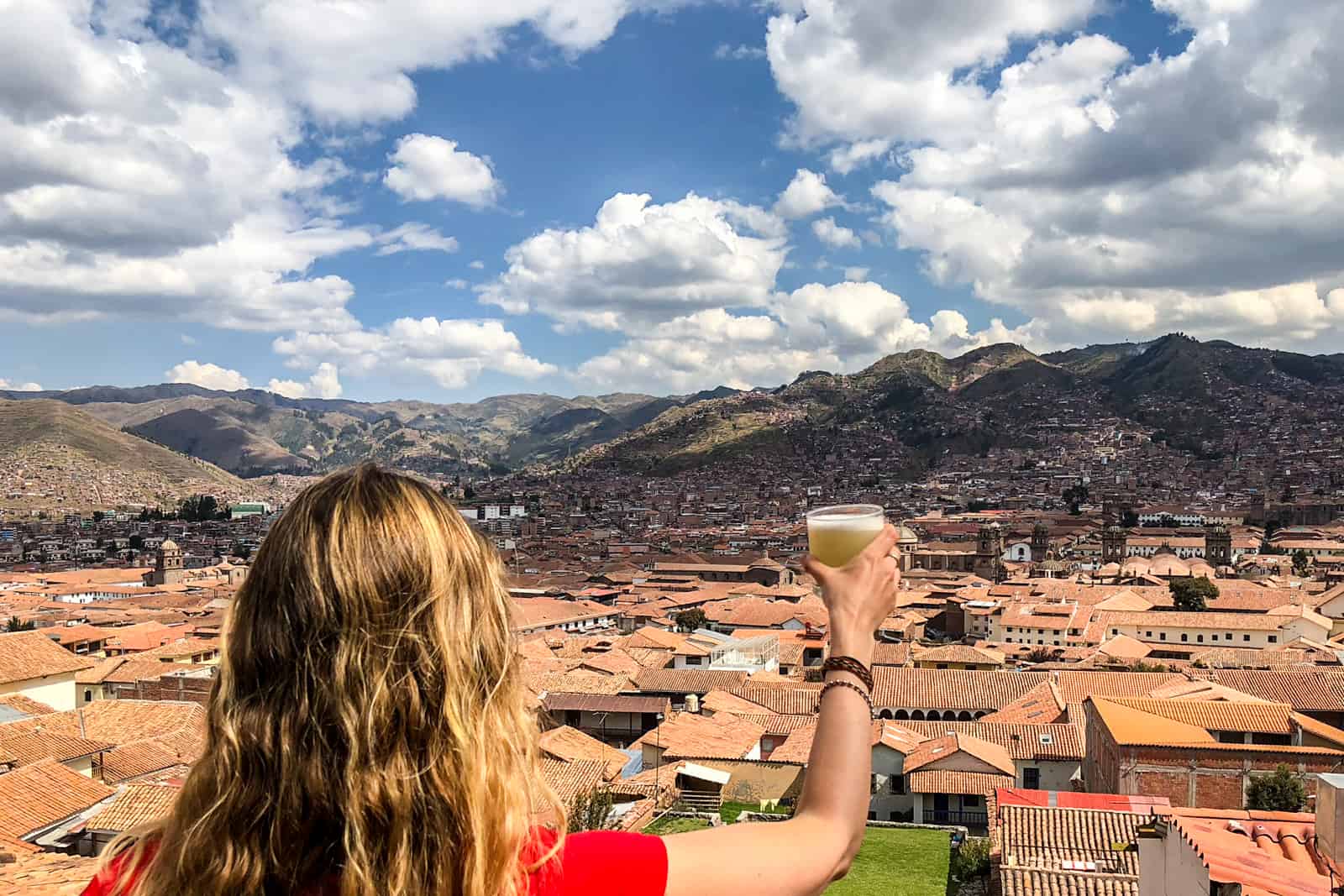
Scams to Avoid in Peru
‘Express Kidnappings’
No, this isn’t being bundled into the back of a van. The term ‘express kidnappings’ refers to travellers being taken to an ATM and forced to withdraw money, normally as much as they can get and effectively held against their will until they can extract the money. This is said to be a common occurrence, particularly at Lima airport. If something is too good to be true – an offer for lunch with a newfound local friend or an invite to a particular store or hangout with something special – it usually is.
Muggings
This form of petty crime in Peru usually occurs in darker and more isolated areas or dangerous neighbourhoods. There have been some cases at major monuments such as Sacsayhuaman in Cusco, the hilltop monument in Arequipa at sunrise and sunset, when the crowds disperse. I also never walked alone in Lima at night, even in Miraflores, away from the busy areas like Parque Kennedy.
Something-On-Your-Shoe Distraction
There have been a few stories of someone spilling something on your shoe or dropping money in front of you, where you feel inclined to help and pick it up. Distraction is the greatest tool for those wanting to commit petty crimes. Don’t fall for it.
Short-changing
I encountered this on many occasions in both shops and hostels. Always, always check your change. I’ve had everything from being given four 10-cent coins when my change should have been four Sole coins to a hostel receptionist giving me change in coins and conveniently leaving out the 10 Soles note that should have come with it. Refuse to leave until you get your right change. I never gave in.
READ MORE: Everything to Know – Peru Travel Guide
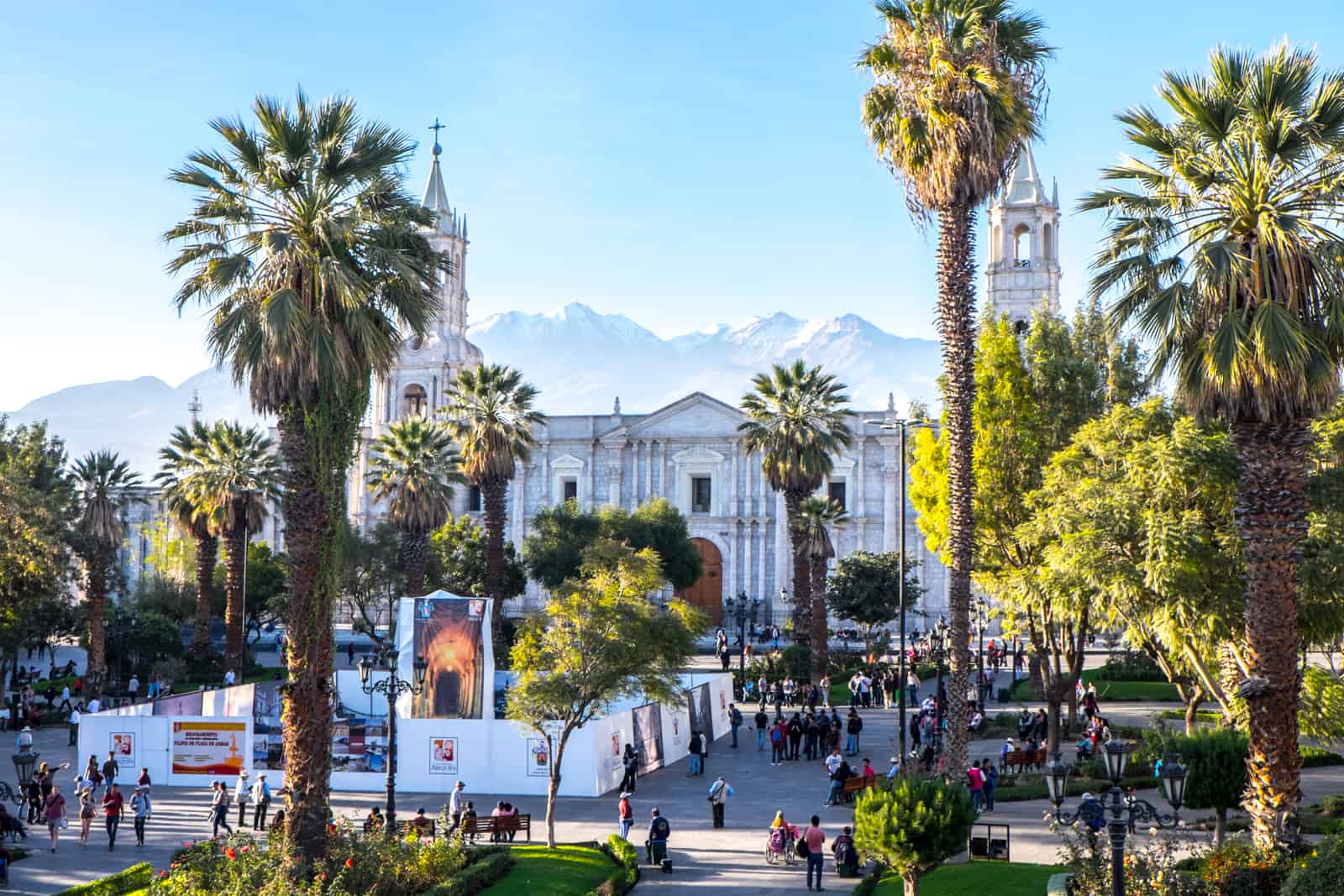
Safety Tips for Peru
Never Carry Your Passport
Always carry a photocopy of your passport and not the real thing! I used a Pacsafe Portable Safe the entire time I was in Peru and locked it to the bathroom sink pipes and/or furniture attached to the wall. I also had photocopies of my travel insurance, vaccinations and relevant trip documents.
Don’t Carry Too Much Cash
Only carry enough cash for the day. I only took my credit or debit cards when I knew I had to withdraw cash. I didn’t carry them around daily and kept them stored with my passport in the safe mentioned above.
Never Leave Your Bag Unattended
This feels like an obvious one, but we all have those moments when we feel too comfortable and are otherwise distracted. Keep your bag with you and in sight at all times. I always had my daypack/handbag slung over my shoulder or on my lap, especially in crowded places. Don’t leave it on the floor or under the chair where it can be easily taken.
Hold Onto Your Bag When Riding Local Buses
When using local buses, don’t put your bag in the overhead compartment. There are countless stories of theft on buses, as well as the classic tale of someone telling you to move seats when you don’t (a strategic move to rob you more easily).
Don’t Flash Your Valuables
The number of travellers I saw with a camera hanging off their neck or dripping in expensive jewellery and clothing was abundant. Don’t be an obvious target when you already look ‘gringo’ enough. And especially hide your stuff in less affluent and less touristic areas.
Avoid Travelling at Night
Travelling by night is still not considered the best option, as armed holdups on buses and other transport routes still occur, more so in the far northern reaches of the country and on the Peru-Bolivia border at Lake Titicaca. I only travelled overnight on the Peru Hop tourist bus.
Don’t Withdraw Money from ATMs at Night
Don’t withdraw money from an ATM in an unpopulated or dodgy-feeling area. Withdraw enough money from an ATM in the centre of major cities so that you have enough with you to last through less busy and remote areas.
Use Uber. Especially at Night
As a solo female traveller in Peru, there were times I met friends in town for drinks but didn’t want to walk back through quiet, narrow streets at night, especially in Cusco. Uber was a great choice, and I never had any issues. My Peruvian friends always recommended it.
Check Dodgy Border Crossings
Be aware of which border crossings are accessible for travellers. For example, many official websites mention that the border to Colombia is best avoided due to narcotics (drug) trafficking.
READ MORE: How to Get Around Peru Safely
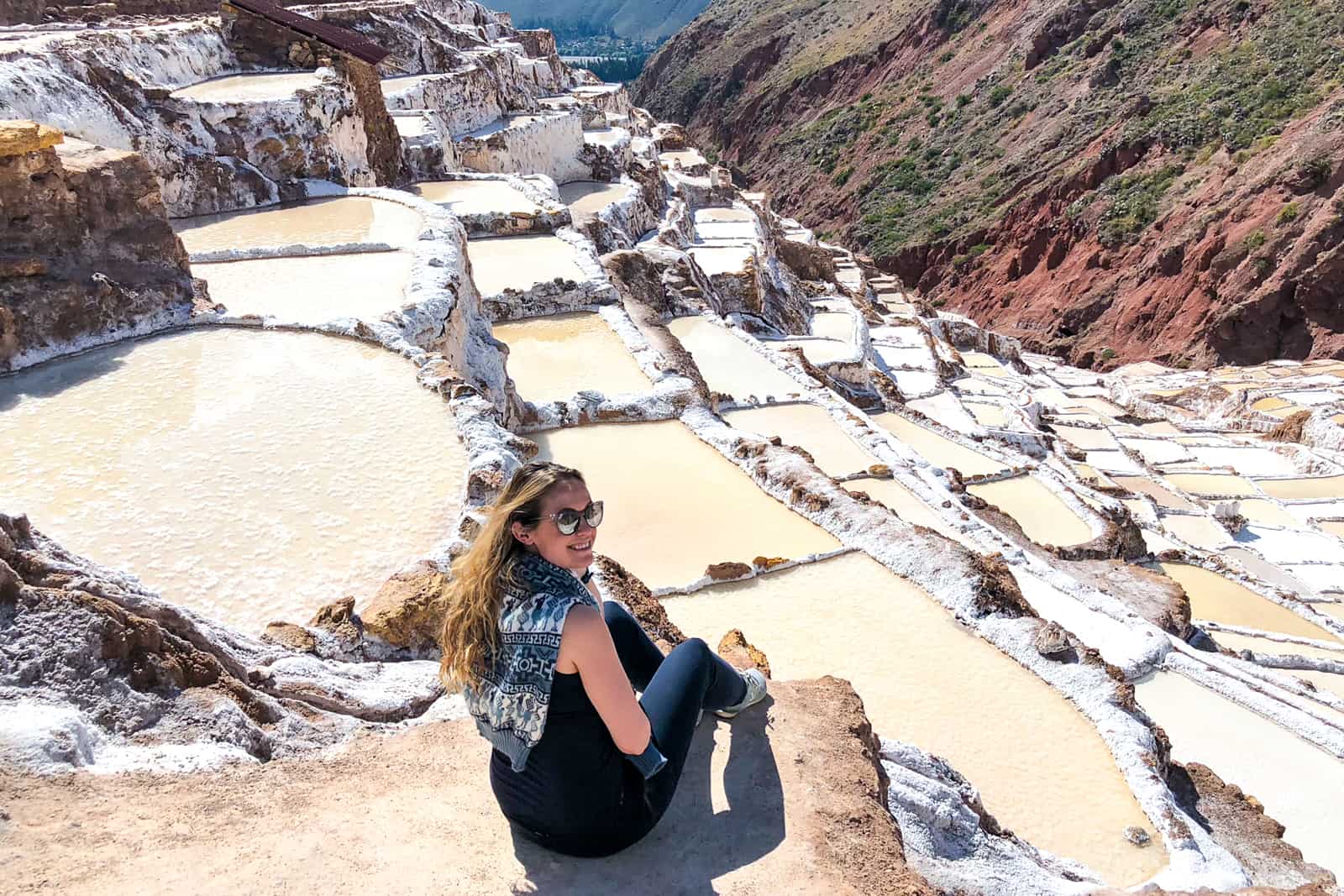
Is Peru’s Capital, Lima Safe?
The smaller cities in Peru, as in South America generally, are no more of a major threat than other large cities worldwide. However, the Capitals have many major no-go areas. Therefore in Lima, you absolutely need to know where you can and can’t go and what areas are absolutely and completely off-limits.
READ MORE: Where to Go – Places to Visit in Peru
It’s wise to do some digging on Lima before you arrive. A handful of neighbourhoods in Lima, in particular, should be avoided – such as the Callao district next to the airport and the Rimac district just across the bridge from Downtown Lima and the Presidential Palace.
Miraflores is the safest neighbourhood in Lima and is where you should ideally stay. It is the more affluent one where locals can afford security guards at both their homes and to sit guard outside of their business premises all night; fine to roam by day, yet I would still exercise caution at night when the residential streets are quiet, and there is not a security guard on every corner like those roaming at Parque Kennedy.
Search and book: Miraflores hotels
Barranco, the more artsy and bohemian neighbourhood south of Miraflores, is also a good choice for visiting or staying in Lima. The non-party Beraja Family Hostel (also with private rooms) is a top choice.
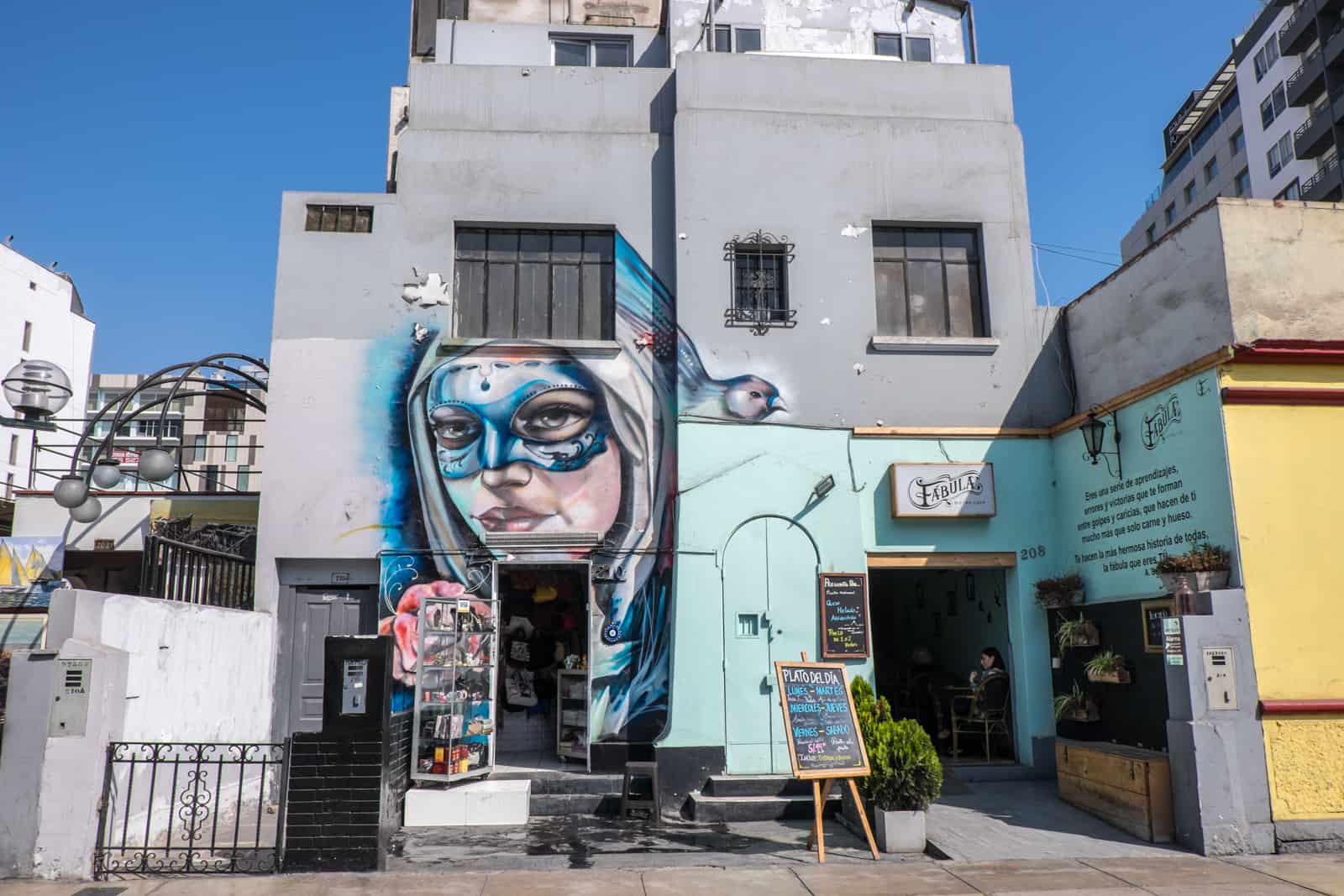
Don’t make my mistake. When a new district turns into another, it is not marked, and it is easy for your curiosity to get the better of you. A friend and I accidentally wandered into the neighbourhood of Rimac while exploring Lima Downtown. If it wasn’t for a local woman on a balcony furiously waving for us to get the hell out, who knows what might have happened? A Peruvian friend later told me we would have 100% been robbed if we were just one more block east.
Impoverished neighbourhoods back onto the affluent ones like Miraflores, and the city widely sprawls to include some VERY dangerous places. For example, next to the Mercado on the fringes of Miraflores is the neighbourhood of Surquillo. Wander too far in, and you may stand out too much. One traveller’s curiosity saw him robbed and beaten, as was his wife, who was wearing a camera around her neck.
Lima is not the place to show your riches. You can feel the atmosphere drop to another level. Don’t take the risk if you haven’t done your research.
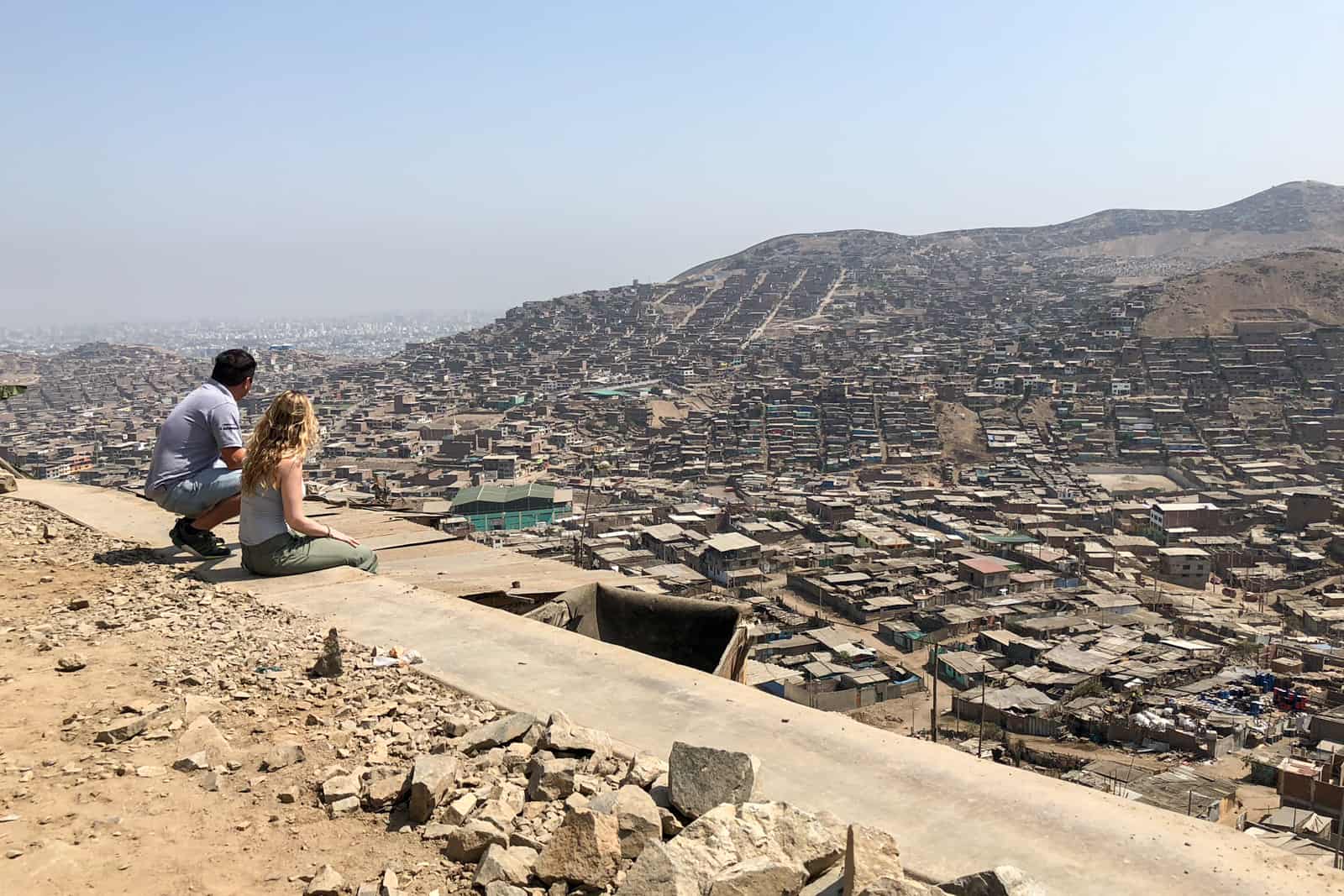
On the other hand, Lima is developing with social enterprise schemes and local tours are booming. These are helping the areas to regenerate and educating visitors about Peruvian politics, society, culture and what is happening today. I visited an art project in Callao and the San Juan favela/barrio in the east, guided by locals and with genuine insight into how things work and the changes taking place that could turn things around for those less prosperous here.
Lima is so complex, and it is all too easy to dismiss by spending two days in Miraflores before leaving altogether.
Travelling in Peru?
Check out my other articles on planning a trip to Peru.
Peru Travel Guide. Showing you how to travel around Peru adventurously and curiously, with tips on transport, treks and top sightseeing highlights.
Places to Visit in Peru. First time in Peru? Use this destination overview to guide you through the must-see diverse landscapes and historical hotspots.
Getting Around Peru. Once you’ve decided where to go, here’s how to travel around on the Peru Hop bus service.



Leave a Reply