
Disclaimer: This post contains affiliate links to handpicked partners, including tours, gear and booking sites. If you click through or buy something via one of them, I may receive a small commission. This is at no extra cost to you and allows this site to keep running.
My tried-and-tested checklist of tips and precautions for safe travel to Egypt, putting your mind at ease for a guaranteed grand adventure.
Whether sunbathing and diving in the Sinai Peninsula and the Red Sea Resorts such as Sharm El-Sheikh, or chasing history on the Cairo-Luxor-Aswan trail, Egypt has long been a popular tourist destination. But questions about safety in Egypt naturally remain.
The Arab Spring of the Egyptian Revolution of 2011 shut the country down for years as political upheaval spread throughout the country, and terrorist attacks became commonplace. It’s not uncommon to think or ask: “Is Egypt safe to travel to right now?”
Right now is the ever-changing part of the question. While those tumultuous days are over, sporadic attacks still occur, and you should keep up to date with political news and your government’s advice on travel to Egypt before you leave.
Therefore, one can’t say Egypt is 100% safe at any time, but it’s safer than what the media will have you believe. It’s best to stick to the marked routes for main destinations and sites, hire a private guide (for all or part of your trip), or choose a responsible tour operator.
It pays off to be an astute traveller, to be constantly aware of your surroundings, and not to venture off track. Also, avoid protests and demonstrations that could turn violent without warning.
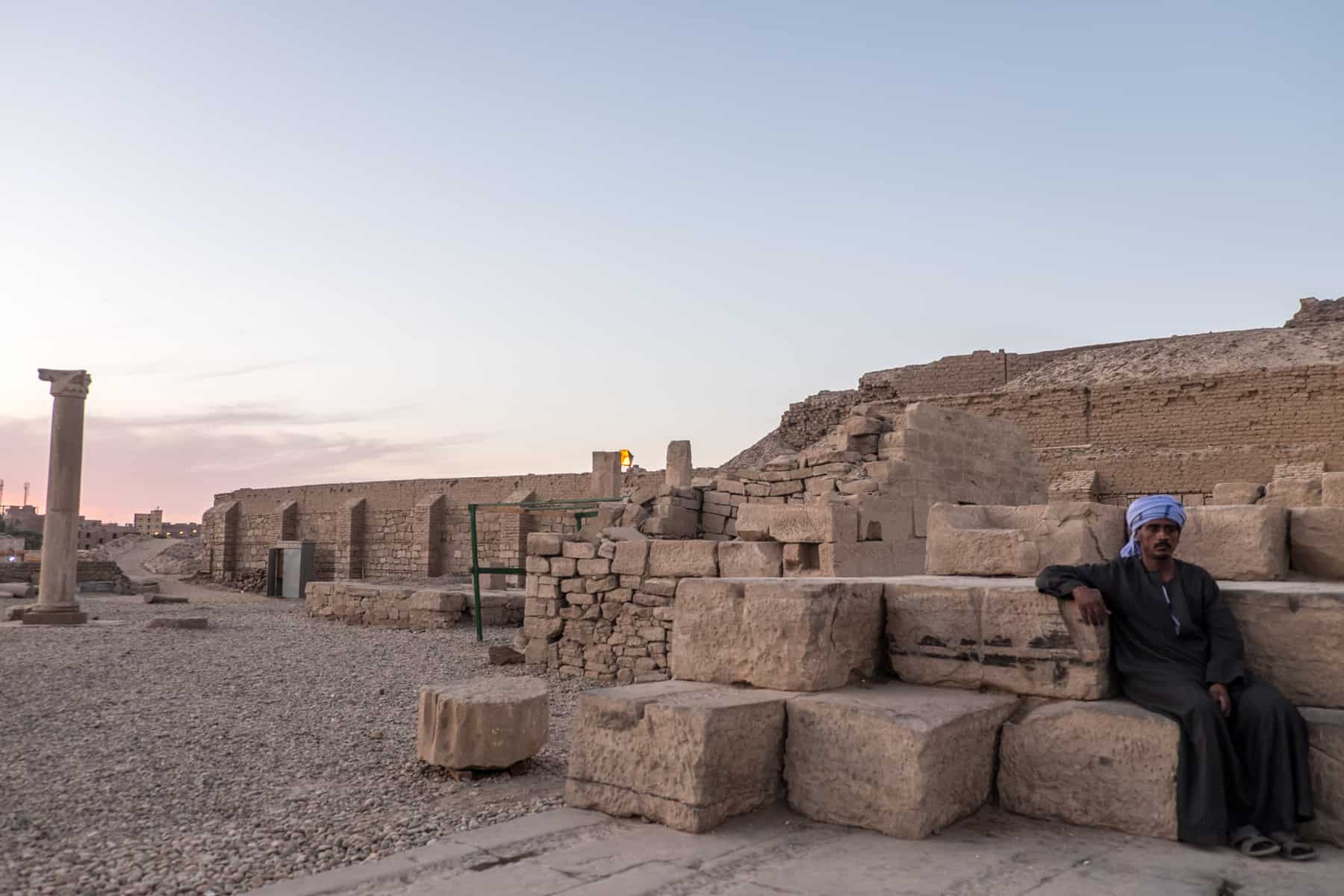
Unsafe Areas of Egypt to Avoid
The areas deemed unsafe in Egypt, according to the UK Foreign and Commonwealth Office, are:
- The Sinai Peninsula, especially the north, except for the Red Sea resorts of Sharm el-Sheikh and Hurghada, due to criminal activity and terrorist attacks.
- Egypt to the Gaza (Occupied Palestinian Territories) border and any other land border area that is a military zone.
- The Western Desert west of the Nile Valley, where there are armed groups in the area near the border with Sudan or Libya.
- The Hala’ib Triangle, which is a disputed territory between Egypt and Sudan.
The US State Department Travel Advisory currently lists Egypt at a Level 2 travel advisory (4 being do not travel) and includes the same regional warnings.
READ MORE: The Best Places to Visit in Egypt
The Egyptian Tourism and Antiquities Police
With tourism being Egypt’s major economic lifeline, tourist safety and site security are well managed and enforced by the Egyptian Tourism and Antiquities Police as more visitors return to this cultural heartland.
It means that everything from the entrances of ancient sites and hotels to significant landmarks within the city centre has security machines and guards in place.
These measures are alongside roadside checkpoints, vehicle checks, and tourism police operating a well-oiled machine to ensure everyone can easily get around the country and that all sites remain open for full exploration.
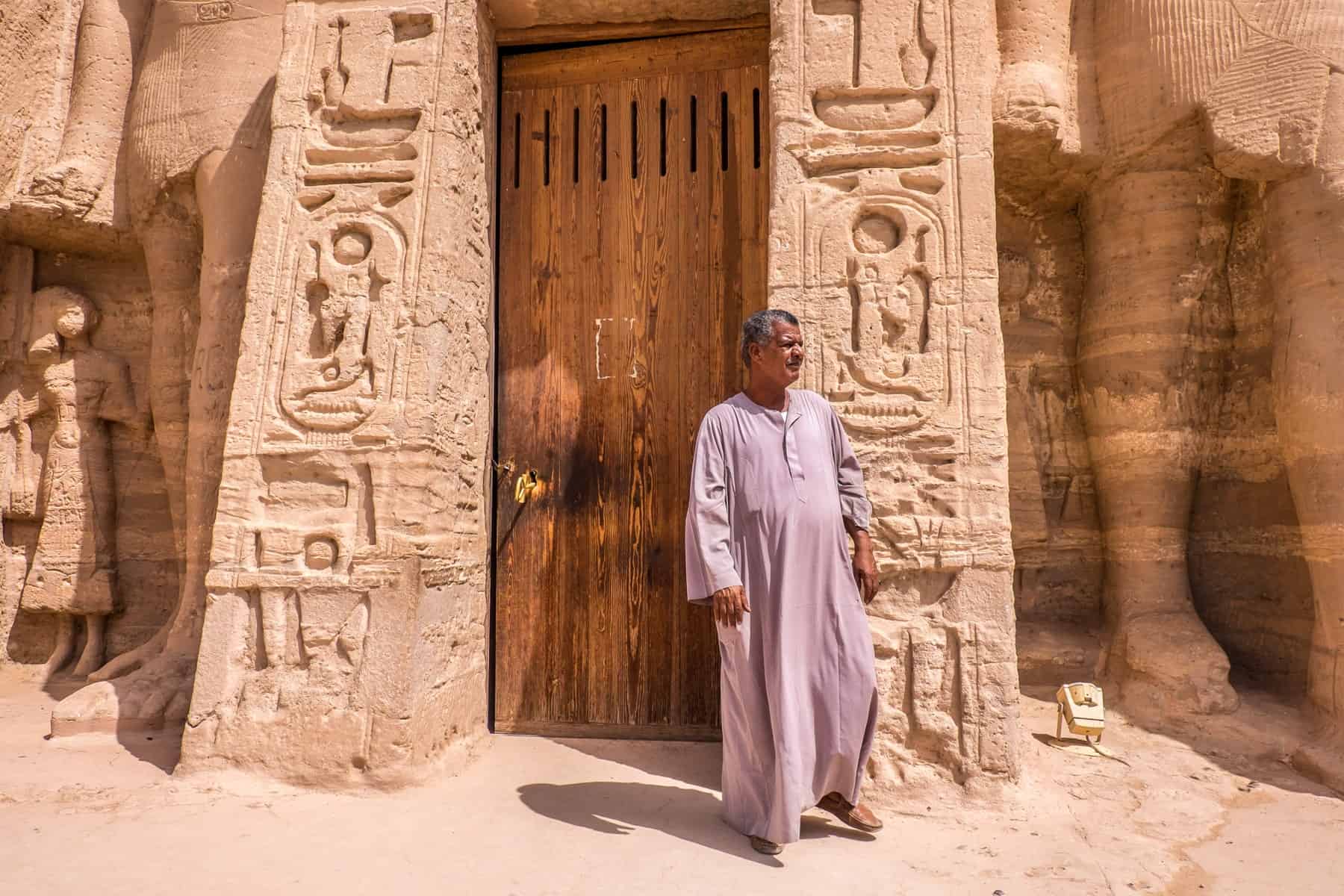
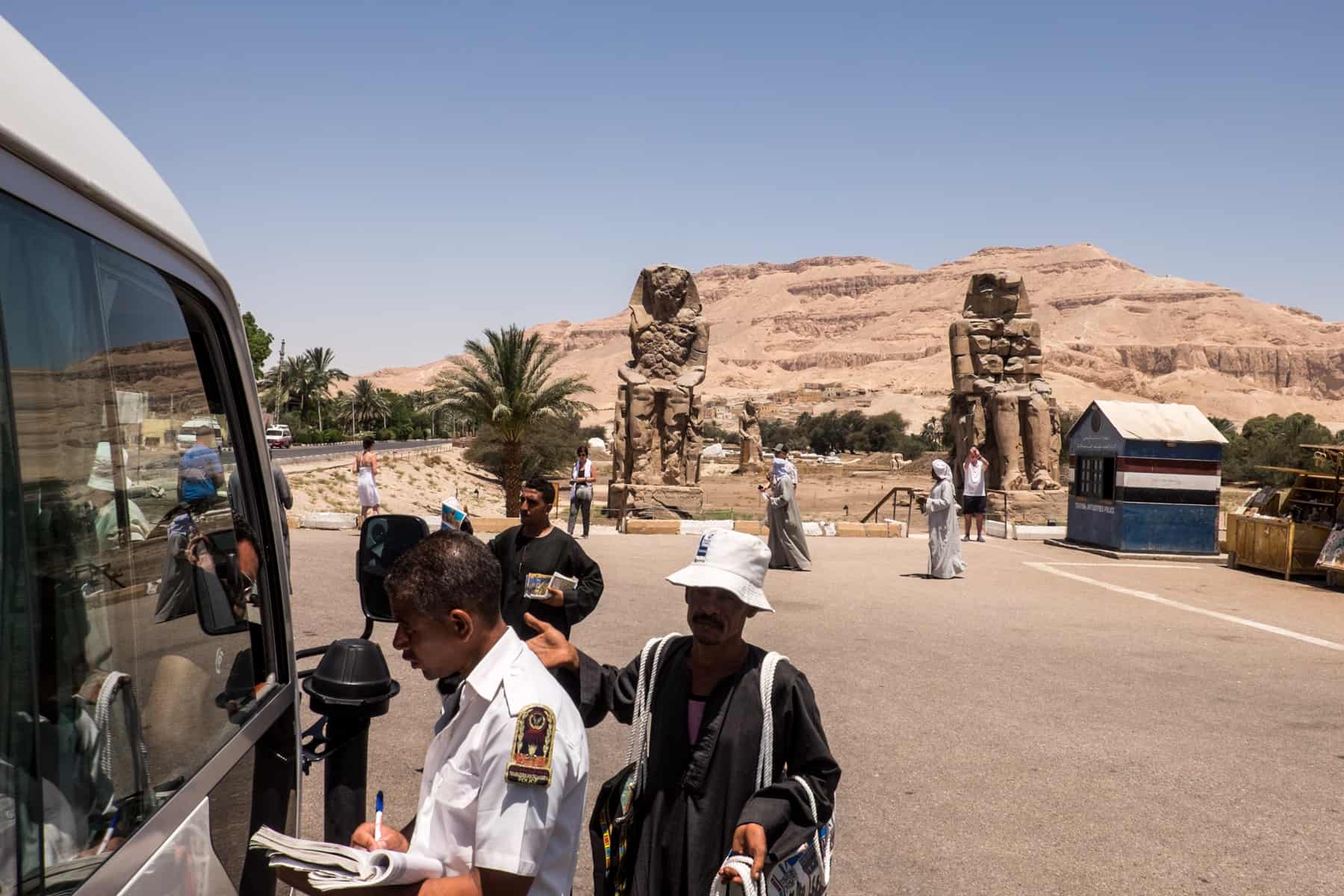
I never once felt unsafe, but I did see and sense that maximum security was in place, which can shock some people at first, especially if you are not used to travelling in post-conflict destinations.
Such scenarios included an armed, plainclothed security guard in our car while we were driving around Alexandria and a six-man police truck escorting us out of a quiet desert area after visiting a well-known monastery. Like any destination, some neighbourhoods are safer than others.
Altogether, it is not something to be alarmed by, but it’s good to understand why such measures exist. Tourism in Egypt is the largest and most vulnerable economic sector in a politically fragile region with ongoing frictions with neighbouring countries.
Independent Travel in Egypt and Group Travel Safety
Solo travel in Egypt is not impossible, but it is at your own risk. When travelling with a private guide or in a small group, your itinerary, even down to some of the hotels and restaurants, will be pre-approved by Egypt’s tourism police.
Booking a guided itinerary means you can’t veer off course and decide to visit somewhere sporadic at the very last minute. The extra day excursion you want to book? It has to be pre-approved, so the tourism police know who will be where.
When travelling in a group, the trip leader had the authority to amend or cancel any part of the itinerary if deemed necessary for safety reasons. Our tour leader also had to accompany us on all included activities and serve as the guide.
Anything planned outside the itinerary, such as free time or exploring at your leisure, means releasing the company you are travelling with from any responsibility for your safety. However, the company can still be held liable, as your presence in the country is listed under its operations.
Transportation Safety
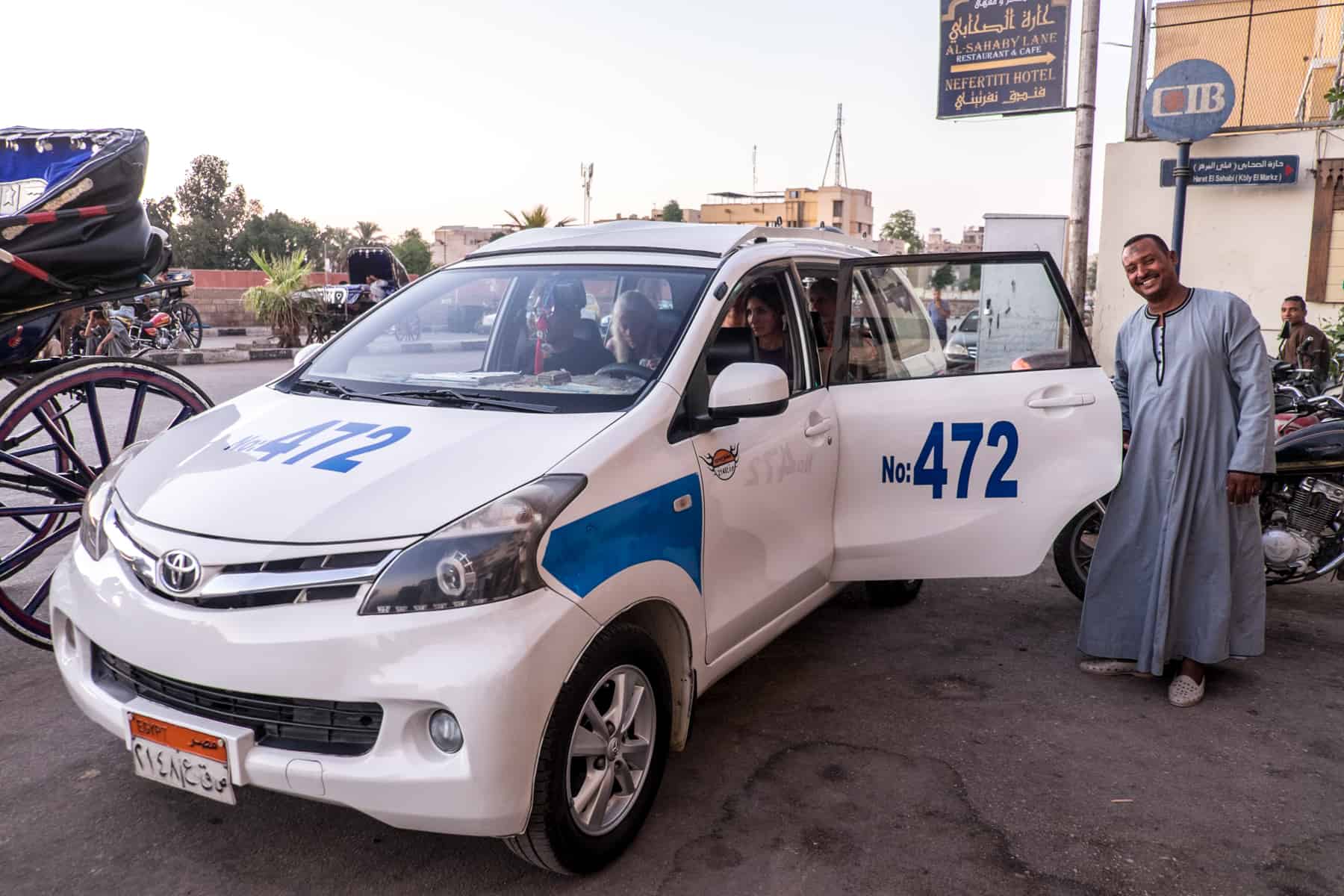
Take licensed taxis, especially at night. Usually, we would stay in small groups and take taxis to and from restaurants and markets or during evening excursions. Make sure to use licensed taxis with meters, or ride-hail apps like Uber, Careen, and Indrive. Never hitchhike. I used Uber in Cairo and had no issues at all. For a reliable and friendly taxi driver in Luxor, contact Mohammed (+20 101 533 3230) below.
For longer distances, consider domestic flights. Egyptair services routes between Cairo, Luxor, Aswan, Hurghada, and Sharm El Sheikh.
Book Nile cruises with reputable operators that have solid safety and service reviews. Viking River Cruises, AmaWaterways, and Nile Exploration are top-rated options.
Vendor Hassle in Egypt
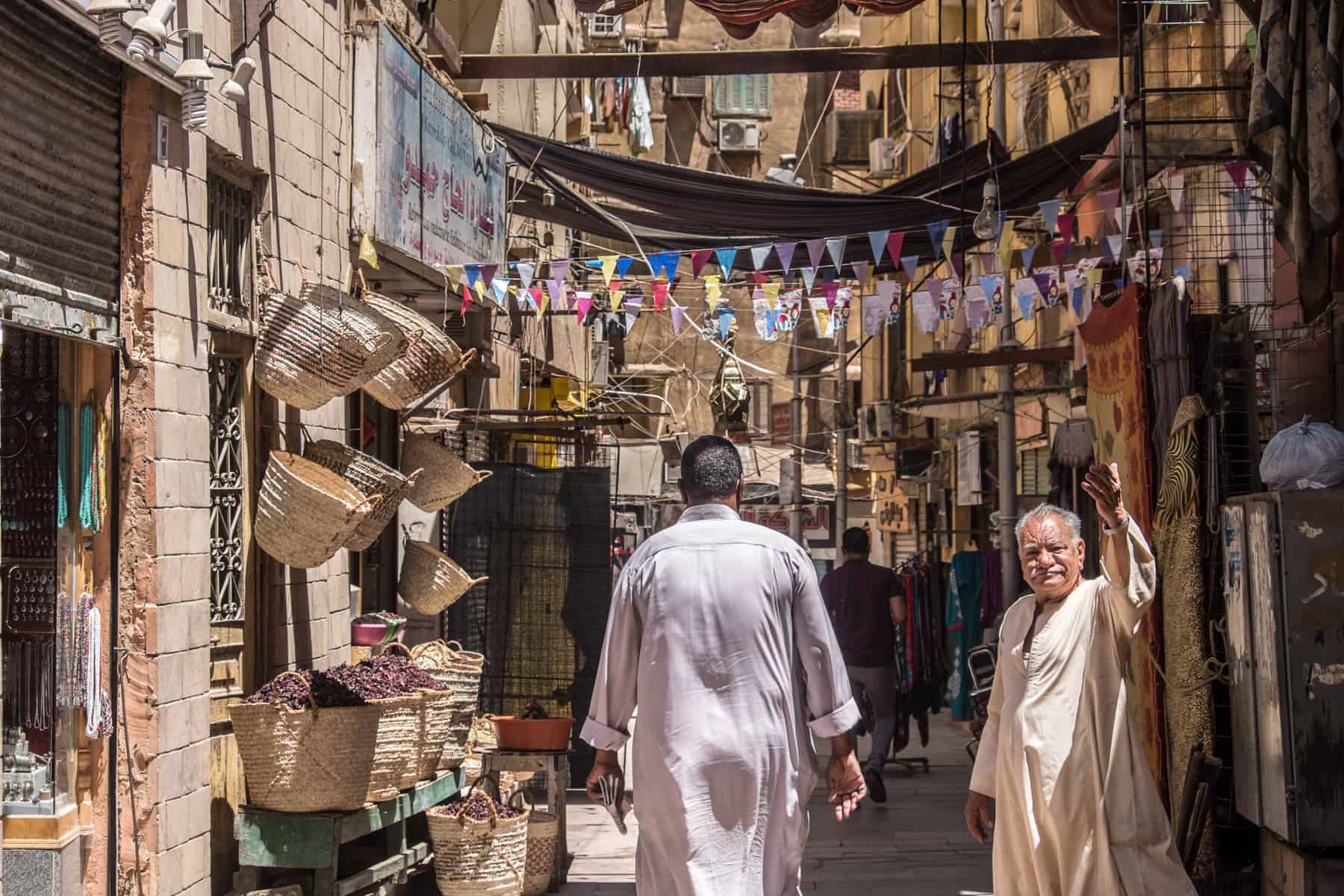
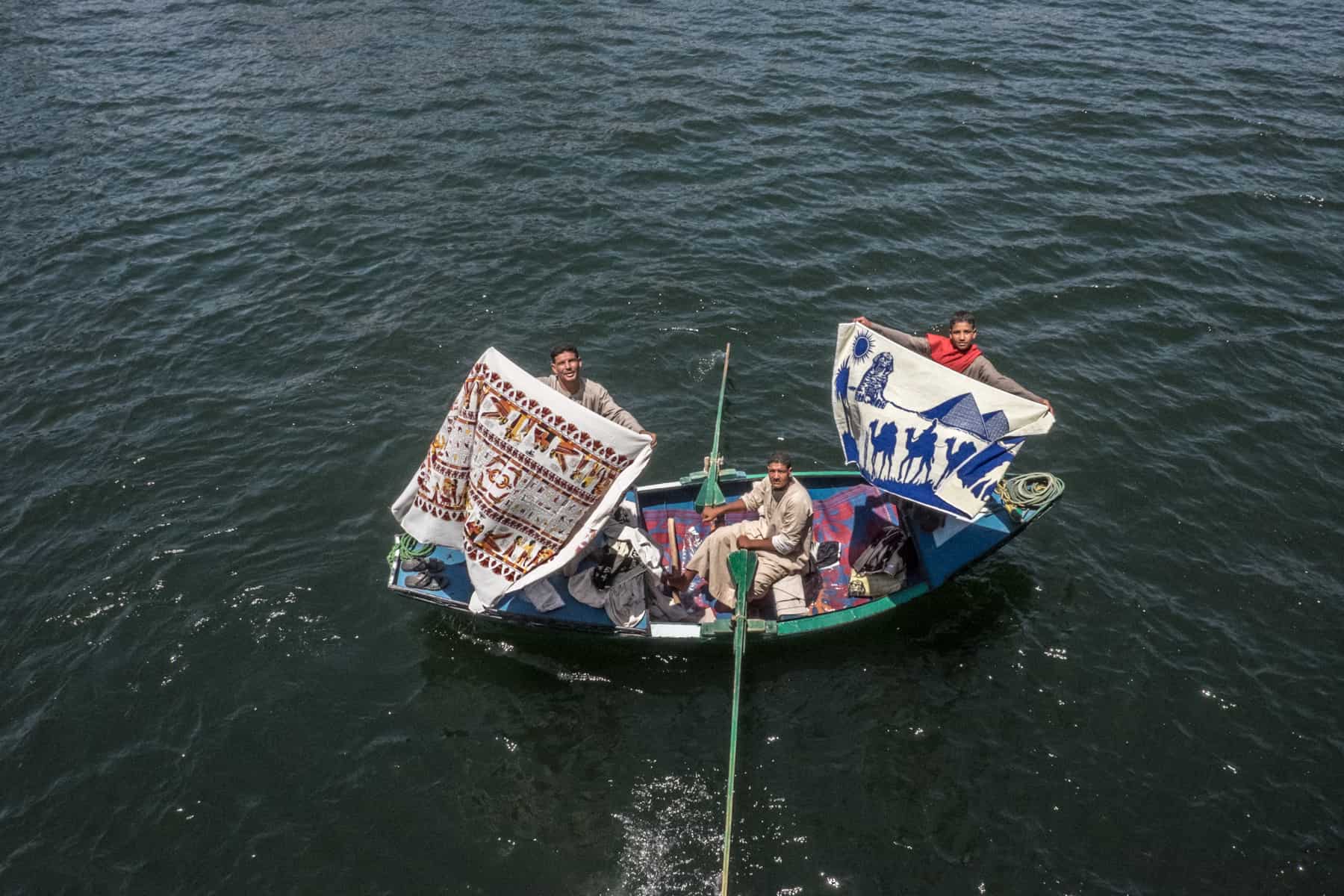
Egypt’s vendors at major sites live up to the reputation of extreme hassling.
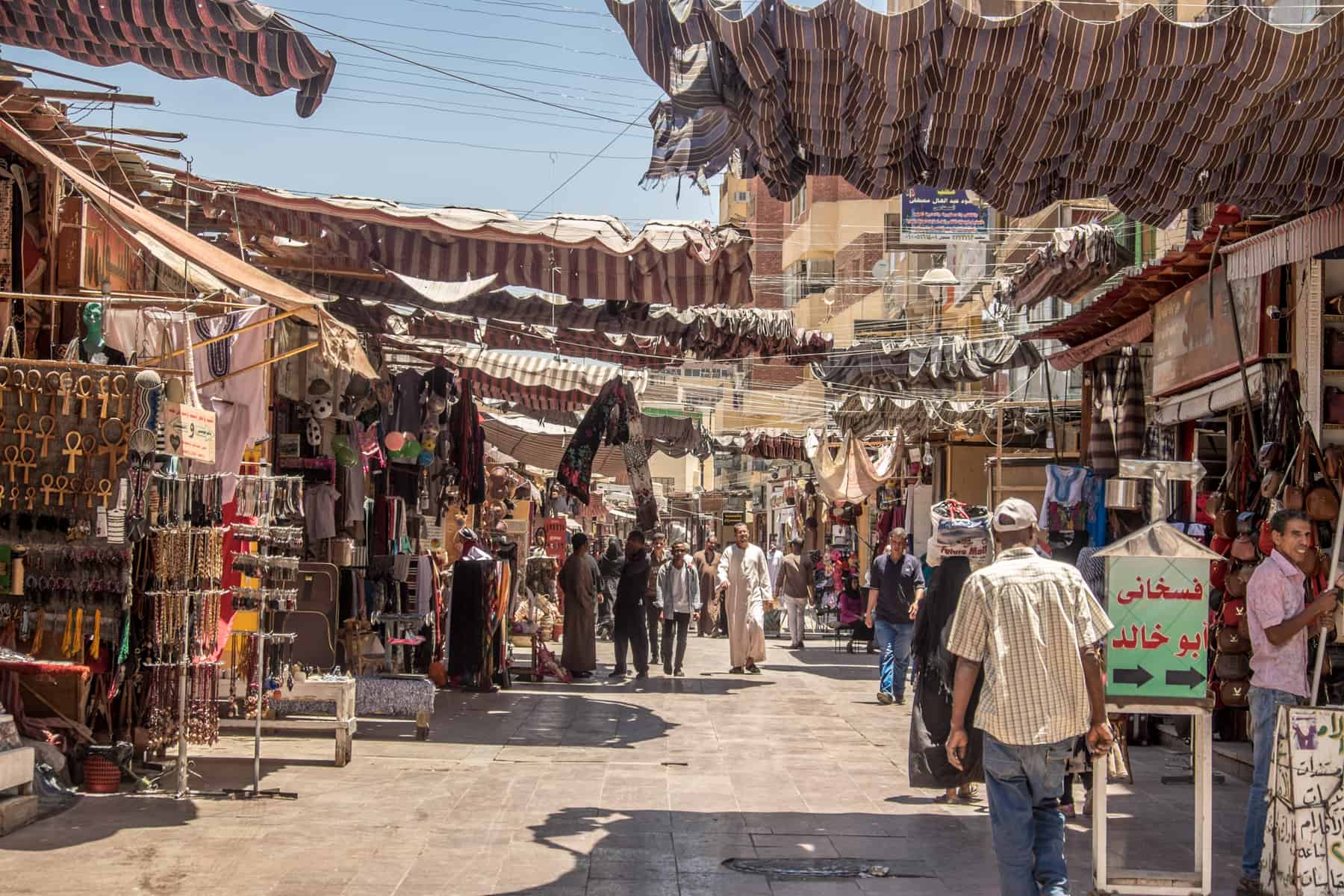
You can never walk in peace in a bazaar or the main streets of Egypt. You can’t make eye contact or look at a single item or storefront without entering a potential transaction. It’s constant, tiring, and can affect your ability to be curious in observing daily life around you. While some you can have banter with (should you choose to engage), it is best to ignore them.
However, as frustrating as it is (especially since you can’t walk anywhere on the street without hassle), there’s another side to it we need to remember. That of desperation in a developed country, sidetracked by political upheaval, where tourism dollars mean everything. Especially at a time when the main lifeline of tourism has been hit and continues to be, while Egypt tries to catch a break.
Petty Crime & Scams
- Petty crime, such as purse snatching and pickpocketing, is common. Stay vigilant of your belongings, especially in crowded areas like markets.
- The overcharging scam is common while shopping (always remember: nothing is free), when taking a camel or horse ride, or when being told the taxi meter is broken.
- There are many unofficial guides offering tours at major sites; pre-book a guide via your hotel or ask for a licensed site guide when buying entrance tickets.
- Be aware of fake police who may ask to see your passport or try to get you to take out your wallet to show ID, or demand a fine. A uniformed police officer will show you their badge if you ask, and the general rule is that if someone asks you for money, it’s likely a scam. Never show your documentation to strangers.
Is Egypt Safe for Women?
For women travelling alone in Egypt, there can be a heightened cause for concern for two main reasons. Firstly, because of the insistence from local men to engage, it is best not to look at them or respond to any contact. At all. Secondly, the desperation from economic instability brings out the worst in people here.
Like everywhere, a few always give the majority a bad name, so I refrain from branding all Egyptian men.
However, while I never felt any of my experiences would escalate into violence, it was very wearing to have to be in a heightened state of awareness everywhere we went, and the need to do the following:
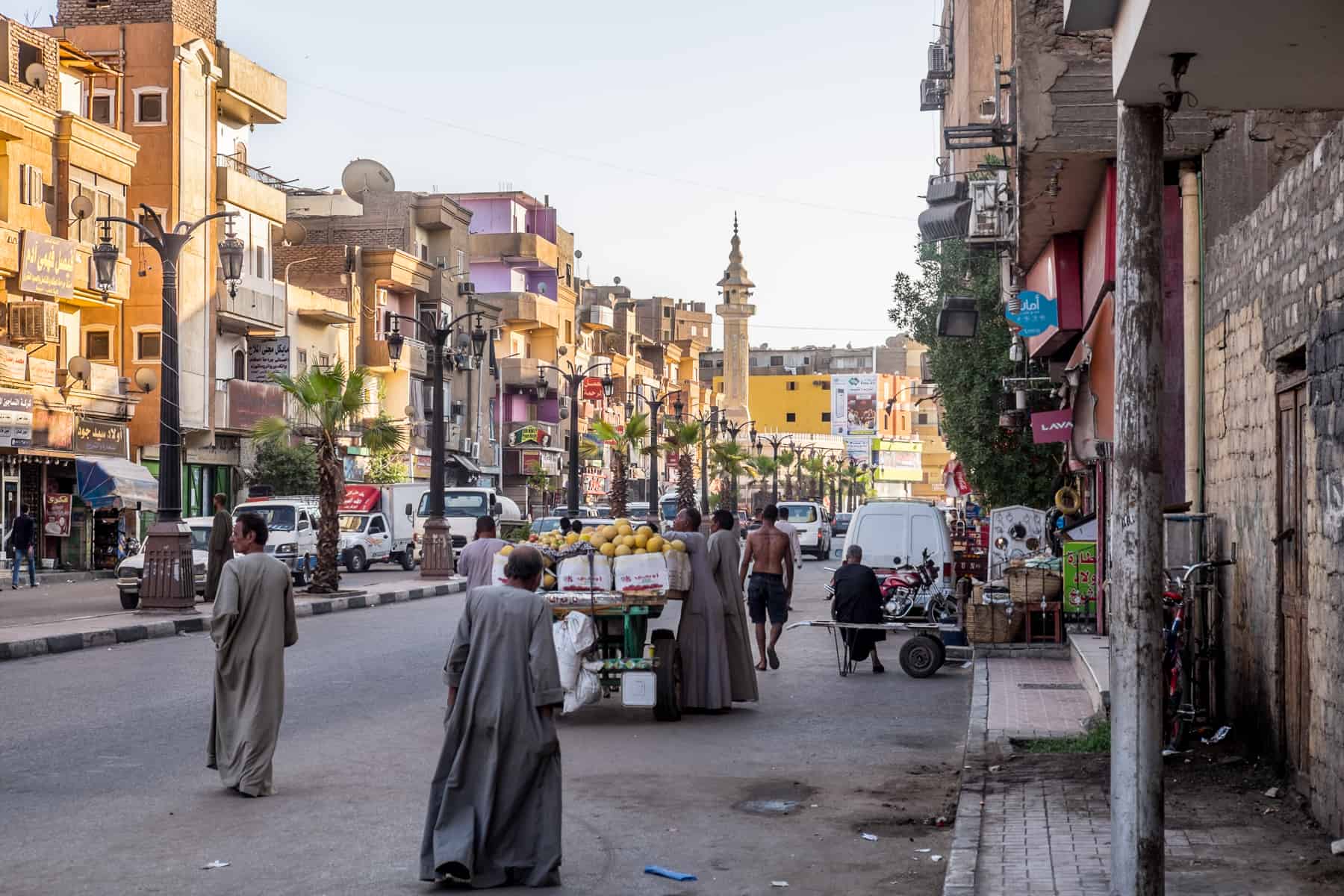
Curb your curiosity for further exploration. Going for walks in neighbourhoods or areas more than one or two blocks from a main site or souk in any Egyptian destination is not recommended.
Don’t walk alone at night. Especially in the big cities.
Be aware that you could be followed. A fellow female traveller and I spent some time wandering around the centre of Aswan and the Souk, and we were followed for over 10 minutes back to the Nile coastline (where our cruise boat docked). Regardless of how often we asked the man to leave, he didn’t. He only did when my friend screamed in his face, and we were back where the tourism police were lining the roadside near the tourist boats.
Stay assertive. In Luxor, our random walk in the city was cut short when we realised we would not get a moment’s peace. I even threatened to call the police on a horse-and-cart driver who would not let us pass on the street while he tried to sell his services. While answering back may cause heightened tension, it is still necessary to make your feelings clear.
Health in Egypt
Do I Need Vaccinations for Egypt?
Yes, you do need vaccines for Egypt.
- The CDC (Centres for Disease Control and Prevention) notes that all travellers should be up to date with their routine vaccines, including measles-mumps-rubella (MMR) and tetanus-diphtheria.
- Hepatitis A and Typhoid are strongly recommended, as you can get them through contaminated food or water in Egypt.
- You’ll need a Yellow fever vaccination certificate if you’re coming from a country or region at high-risk of Yellow fever.
I visit my local tropical disease clinic at least six weeks before I travel, where I can highlight the locations I am travelling to and what activities I will be undertaking. For example, Hepatitis A and Rabies are also considered.
Is Tap Water Safe to Drink in Egypt?
While tap water in Egypt is generally considered safe, it is heavily chlorinated, which affects its taste. Egypt also faces severe water scarcity, so it is important to limit your usage throughout your trip.
I used tap water to brush my teeth, and bottled water is very easy to obtain, especially with the number of small stores and roadside kiosks. For a more sustainable and positive environmental impact, bring a reusable water bottle and water purification tablets, or, even better, a filtered water bottle, to use with tap water. Get 20% off Water-to-go filter bottles with code BECKI20 at checkout.
If you purchase bottled water, consider buying larger-sized plastic water bottles (to keep refilling your smaller travel bottle) to save on plastic waste.
Food in Egypt
From kofta and shawarma, hummus and falafel made with fava beans, mahshi (stuffed vegetables), and the famed koshari (a hearty mix of rice, macaroni pasta, lentils, chickpeas, crispy onions, and a tomato-based sauce), food is one of the joys of being in Egypt.
However, it pays to indulge with precaution to avoid the risk of a food-borne illness:
- If in doubt about where to eat, opt for busy, established eateries. A queue is a universal good sign.
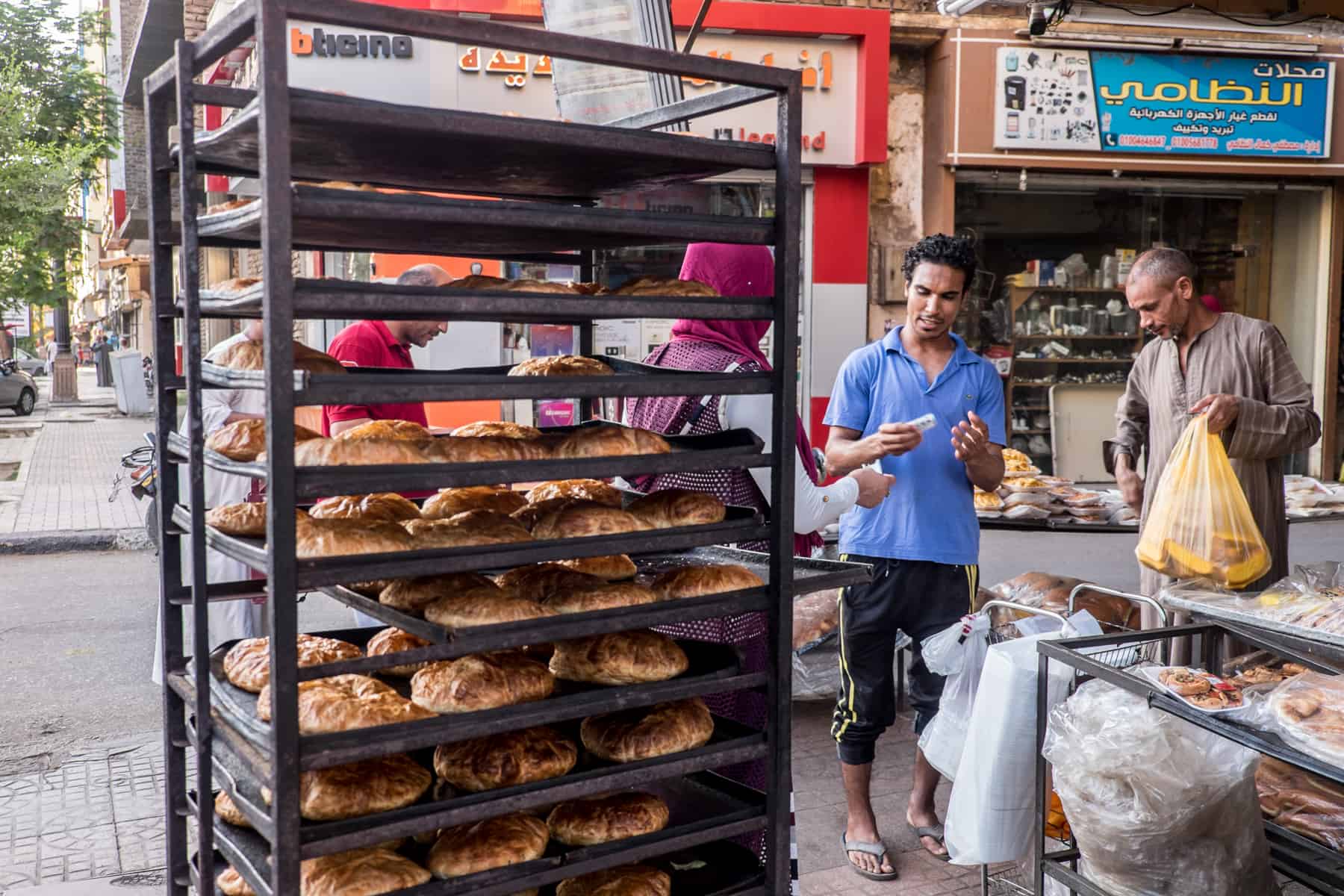
- If you are eating street food, ensure it’s fresh and piping hot. Also, check whether the street food vendor maintains good hygiene standards and whether the food hasn’t been left out.
- Avoid raw vegetables and fruits that haven’t been peeled or that you know haven’t been washed thoroughly.
- Avoid salads and ice cubes unless you know they have been made with purified or mineral water.
Avoiding Dehydration
The oppressive heat in Egypt can easily lead to dehydration and heatstroke, and the risk is increased during long periods of exploration. I always pack a tube of dissolvable sport rehydration tablets or a box of rehydration sachets, which I use once daily, adding them to 500ml or a litre of water. These contain salts, sugar (glucose), and electrolytes.
Further Reading on Egypt
Travelling to Egypt and planning where to go and what to do? Don’t miss my comprehensive Egypt guides.
Egypt Travel Guide: A comprehensive overview on how to see the country differently and responsibly
The Best Places to Visit in Egypt: Get ready to add even more temples, tombs and ancient curiosities to your list.


Leave a Reply