
Disclaimer: This post contains affiliate links to handpicked partners, including tours, gear and booking sites. If you click through or buy something via one of them, I may receive a small commission. This is at no extra cost to you and allows this site to keep running.
Given the delicate balance between being well-intentioned and ill-informed, how can we best capture and demonstrate responsible travel on social media?
Cultural immersion, sampling the world’s culinary delights, getting outside of your comfort zone, or witnessing living history – we all travel for different reasons. Yet in the Era of Instagram, travel has also become a chance to find pockets of far-flung beauty or a shock-worthy backdrop primed for photos ready to be showcased to an adoring audience.
For many, it means chasing a travel scene they’ve already seen and wanting to recreate it. Yet the desire to find “Instagram-worthy” destinations has led to behaviour that puts people, culture, and landscapes at risk. Established destinations are feeling the strain, while emerging destinations with fragile environments lack the resources and infrastructure to cope with a sudden influx of people.
More often than not, this can come down to being well-intentioned but not well-informed. So, how can we be responsible in how we capture and collate our memories from around the world?
Responsible Geotagging
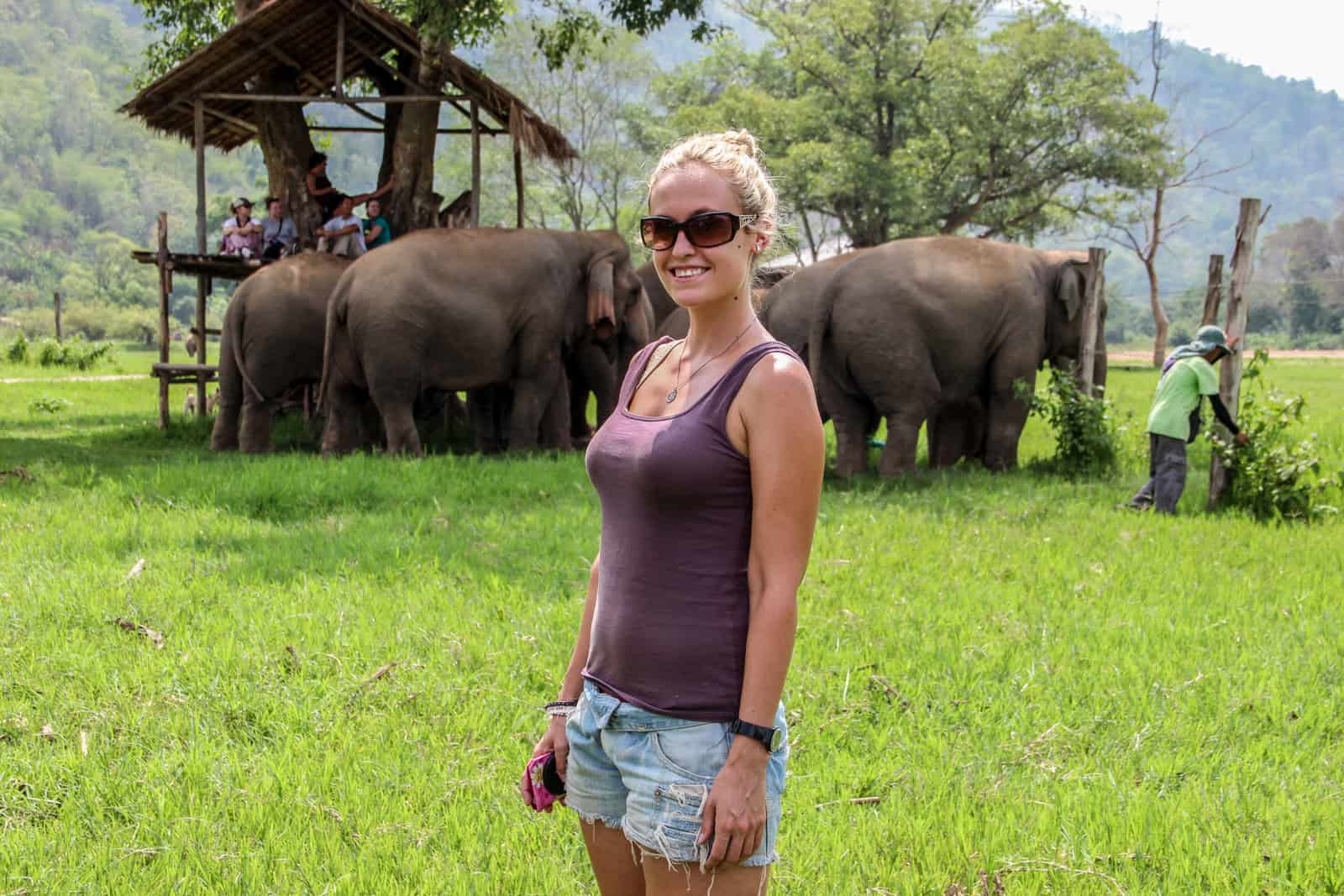
There has been considerable debate for some time now about whether Geotagging is ruining some of the world’s greatest natural wonders and once-untouched, pristine landscapes.
In 2018, the Jackson Hole Travel & Tourism Board in the US requested that visitors stop geotagging photos due to an increase in people posting the same image of the Delta in Grand Teton National Park.
It only takes one viral image to spark a trend that drives more human footfall than nature can match. One with lines of people queuing up to take the exact same picture, desecrating and forever destroying structures and ecosystems that will never grow back.
Responsible Action:
- If you are lucky enough to come across an isolated spot of wild beauty, don’t geotag it for the masses.
- Choose a general location geotag; people viewing your photo may do their own research about the area and know the reality.
- Don’t geotag or promote places where ecosystems are already weak and damaged.
- Show the reality of the tourism situation. Posting a picture as if it were isolated creates a stronger desire to go there.
Animal Welfare
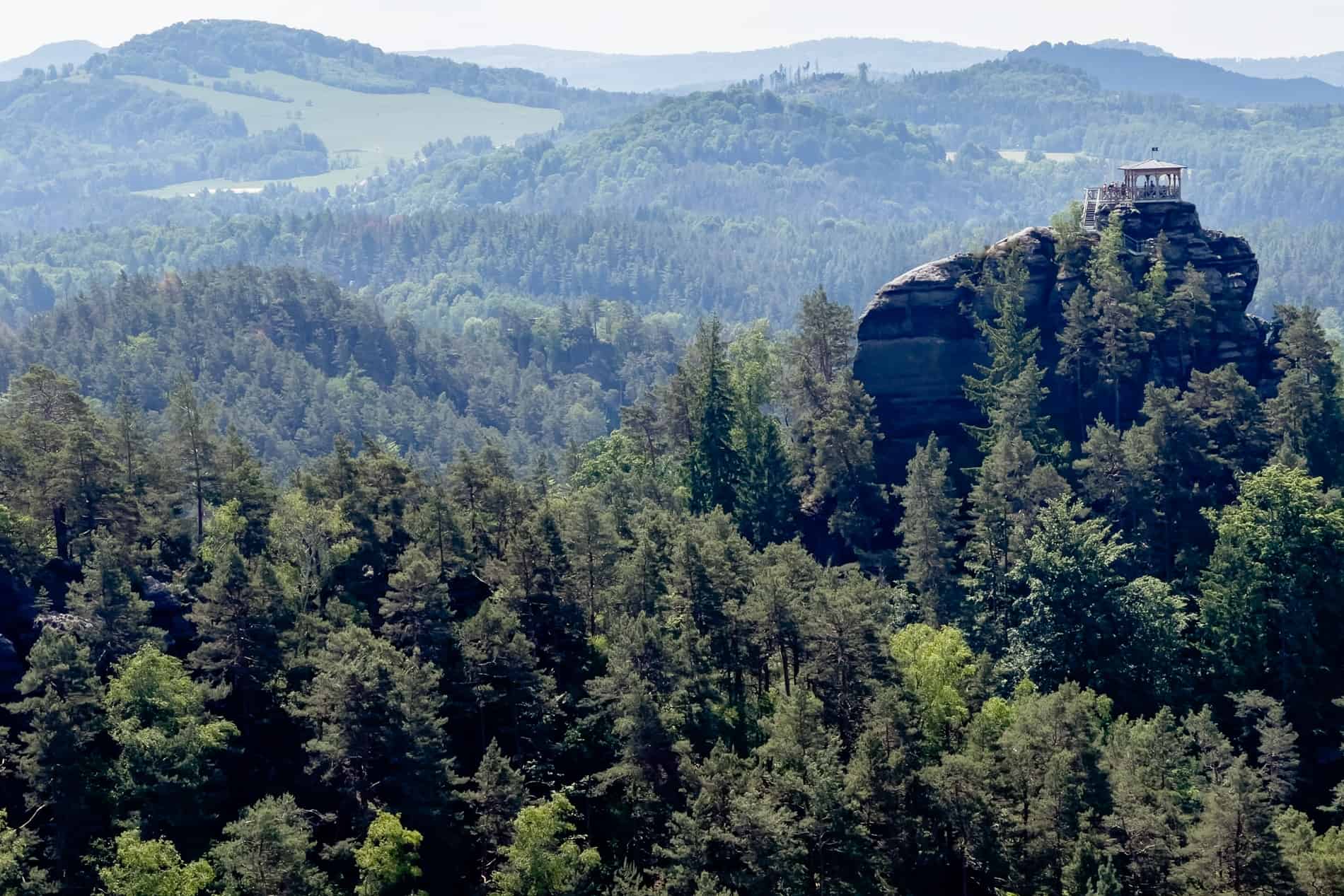
Seeing animals in the wild is a bucket list item for many, whether that’s gorillas in Africa or elephants in Asia. But it’s imperative to research best animal practices before posting on Instagram.
For example, do not highlight the exact locations of endangered species where poachers can easily come and hunt, as these signs in a South African National Park highlight. Don’t engage in or post pictures of abusive animal practices, such as riding an elephant, and don’t take selfies with wild animals – an issue Yellowstone National Park is having at the moment with people taking selfies with Bison.
Responsible Action:
- Do not geotag the location of where you spotted a wild animal – it could contribute to an already growing poaching problem in the area.
- Do not ride animals or engage in any kind of domesticated activity where they have been tortured to submit to humans.
- Say no to animal selfies. It not only puts you in danger but can also lead to the humanisation of animals in their native habitats.
READ MORE: Seeing Orangutans in Borneo Responsibly
READ MORE: Why Riding Elephants in Thailand is Wrong
READ MORE: Taking a Chengdu Panda Tour Responsibly
Child Welfare
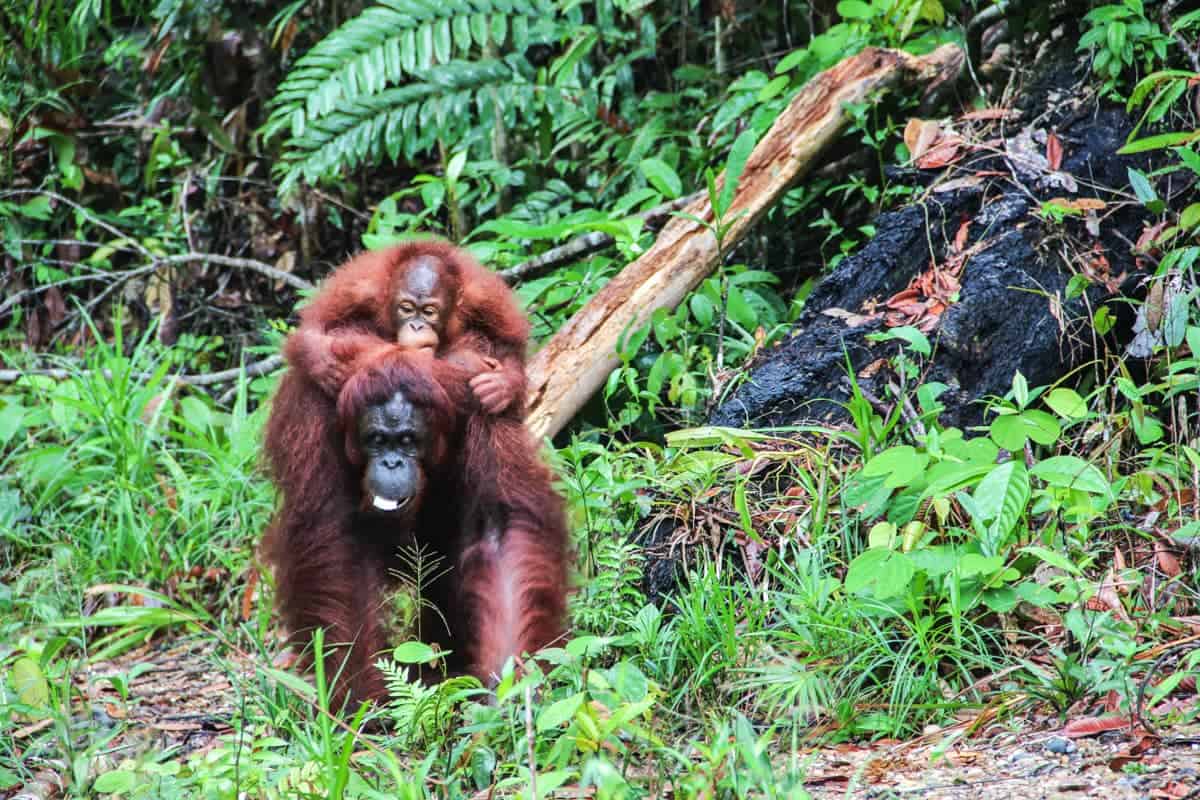
Whether in schools, community projects, on the streets, or in people’s homes, refrain from photographing children. Moreover, do not think that the pay-to-play philosophy in photography, where parents or locals grant permission for a fee, is acceptable.
Publishing that image also has consequences and can put the child in danger. Not only does this contribute to a begging culture, but also revealing the location and identity of those children puts them at risk of human trafficking and abuse.
Responsible Action:
- Meet and engage with locals, and if you plan to take photos of your host family or the event, keep them offline.
- Always think: If you wouldn’t do it at home, what makes it OK when abroad?
READ MORE: An Orphanage is Not a Tourist Attraction
READ MORE: Street Children in Cambodia – What Contributes to Bad Practice?
Photos in Culturally Sensitive Locations
From memorial sites, graveyards, and tombs to shrines and temples, we should be mindful when we are on a site of great sanctity.
In 2019, the Auschwitz Museum publicly called for people to stop posing on the train tracks that transported victims of the Holocaust to their deaths. Hashtags like #GrindrRemembers raised awareness of the insensitive nature of those posing at the Berlin Holocaust Memorial for the ultimate profile picture on the dating app, much like the Yolocaust Project also called out offensive social media posts.
A place of solemn reflection is not the time for selfies and insensitive posing. Any form of mass sharing of this kind strips the site of its sanctity.
Responsible Action:
- While photography is usually allowed at memorial sites, remember it’s a place to pay your respects – not put yourself in the picture.
- In temples and tombs, observe the rules of respect and cultural tradition, such as dress code, removal of shoes, and religious rules such as having your back facing the Buddha.
Destruction of Public Property and Disrespect to Locals
A commonly cited example, especially among educational campaigner accounts such as PublicLandsHateYou, is the trampling of wildflower fields to capture the prettiest image, resulting in some farmers having to close their farms.
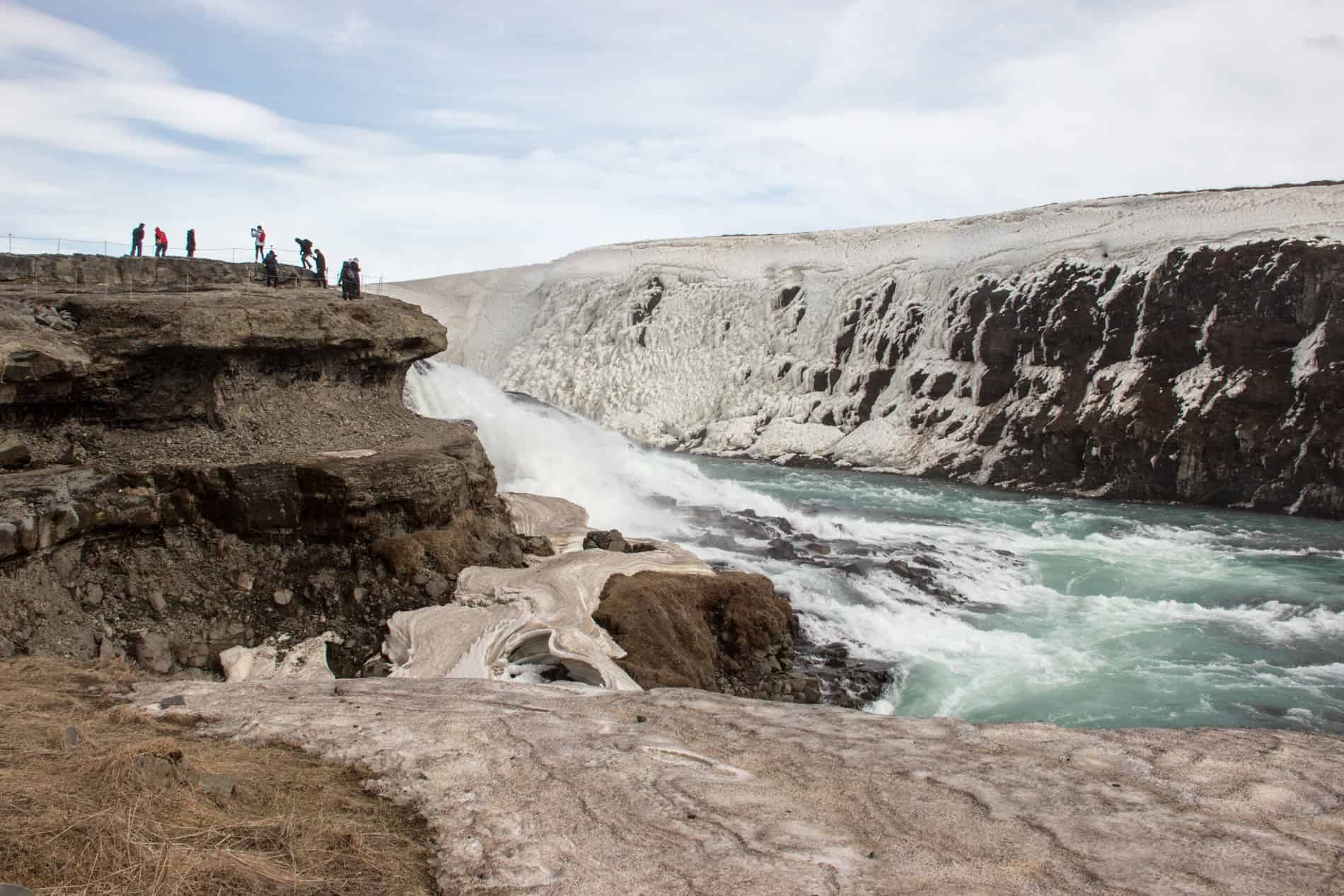
Or being irresponsible in nature like Justin Bieber was in Iceland, swimming in pools with icebergs, rolling around in moss, and sitting on delicate rock edges.
For others, their own homes are being trespassed on; people have felt no hesitation standing on porches in Savannah, Georgia’s Rainbow Row, or in Hallstatt, Austria, which also employed bouncers at churches and cemeteries to prevent tourists from disrupting funerals and important services.
At the colorful Choi Hung apartment complex in Hong Kong, posted signs forbidding cellphone photoshoots have been ignored. In Paris, some homeowners along the residential lane Rue Cremieux, also Insta-famous for its bright colors, have posted “No Photography” signs in their windows. In New York’s West Village, the Perry Street private residence that served as the exterior for Carrie Bradshaw’s apartment on Sex and the City has been so inundated with fans of the show that in 2014, the homeowners had their facade blurred out on Google Maps and installed a chain across their front steps. In 2025, residents were granted permission to construct a fence.
Responsible Action:
- In National Parks and open spaces, always stick to marked trails and do not veer off route, as this can damage fertile soil, crops, and flowers.
- Contact the owner of a flower farm and ask for permission to enter the fields. Many farmers now charge entry fees to control numbers.
- Never trespass on public property, and respect that while a house may look pretty, someone is living there, and you are violating confidentiality by publicly listing an image of their residence and, subsequently, the address.
- Leave what you find. Do not pick rocks and flowers, for example.
READ MORE: Visiting South African Townships – Guided Tour of Kayamandi, Stellenbosch
READ MORE: Visiting The Beach Film Set in Thailand – Maya Bay Reopens, Responsibly
Dangerous Selfies and Daredevil Pictures
Many people take a daredevil approach to adventure, and many are well-trained to perform such stunts and feats of endurance.
However, the pursuit of the ‘most adventurous’ selfie has come at an ultimate price: over 250 people worldwide died while taking selfies over a six-year period, according to a 2018 study by the All India Institute of Medical Sciences.
One woman fell to her death in 2015 at Norway’s now over-crowded Trolltunga Rock, which sees people queue for over 20 minutes for the single shot. In 2018, an Instagram couple tragically lost their life taking an image of themselves at the 1,000 feet high Taft Point in Yosemite Valley. In 2019, a man died after he fell off a rim at the Grand Canyon while trying to get pictures.
Responsible Action:
- If your picture shows you sitting on a ledge with a large drop, when in reality there is a small platform below, say so. Highlight the illusions of your image, otherwise people will seek out actual dangerous backdrops for the same shock factor.
- Obeying safety regulations increases the likelihood that others will emulate this behavior. Is it worth your life to have the entire backdrop in your photo? Should you even be doing it at all?
Fashion vs. Cultural Sensitivity
No one discourages anyone from wearing their best attire for a picture that will be the frame of a lifetime memory, but the vanity of fashion should never come at the expense of cultural values and/or safety.
There are two easy factors to this. Firstly, does what you are wearing encourage people to visit somewhere without appropriate attire, such as tackling hard hiking trails in heels or not being sufficiently covered in sub-zero temperatures?
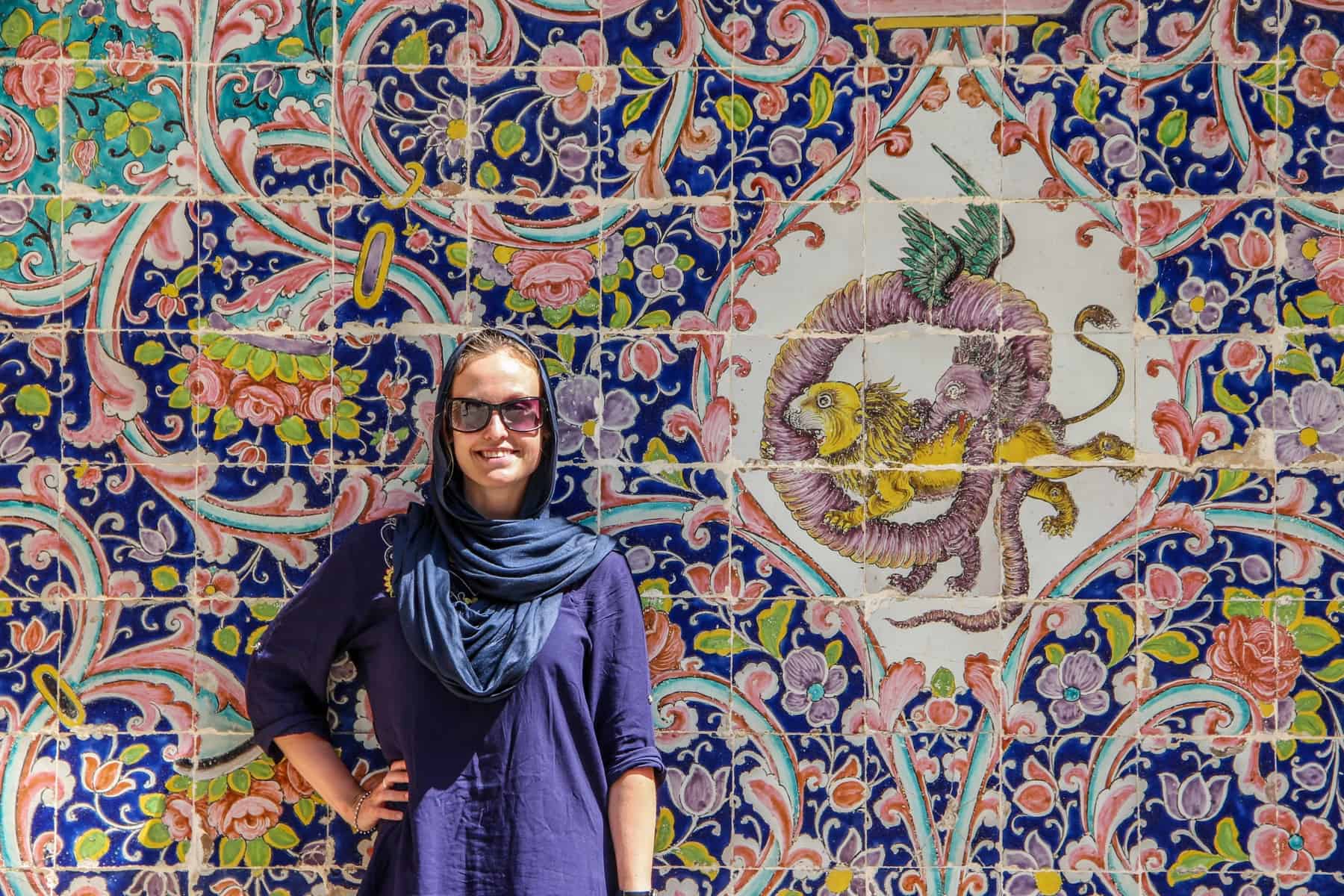
Or is your attire culturally insensitive, more so in places where shoulders and knees should always be covered, or a headscarf is a religious law?
Responsible Action:
- Research the dress codes in each country you visit, whether that means shoulder and knee coverings for temples in Asia or full-body coverings in parts of the Middle East.
- If changing attire for the photo, say so to discourage anyone from getting ill or injuring themselves when following your lead.
READ MORE: What to Wear in Iran – Following Local Dress Code
Controversial Destinations
There’s a rise in people seeking to go off the beaten path, especially to destinations deemed controversial or dangerous. Travel boycotts are not always the answer, but common sense and the consideration of political or safety implications should remain a priority.
There’s a difference in showing and being in POST-conflict destinations and IN-conflict destinations. I wholeheartedly agree with showing a different side of media coverage, and that travel is a force for good in this. But there’s also a time and place, and a country in active conflict is not that place. If a country is not safe for its own citizens, how can it be safe for tourists?
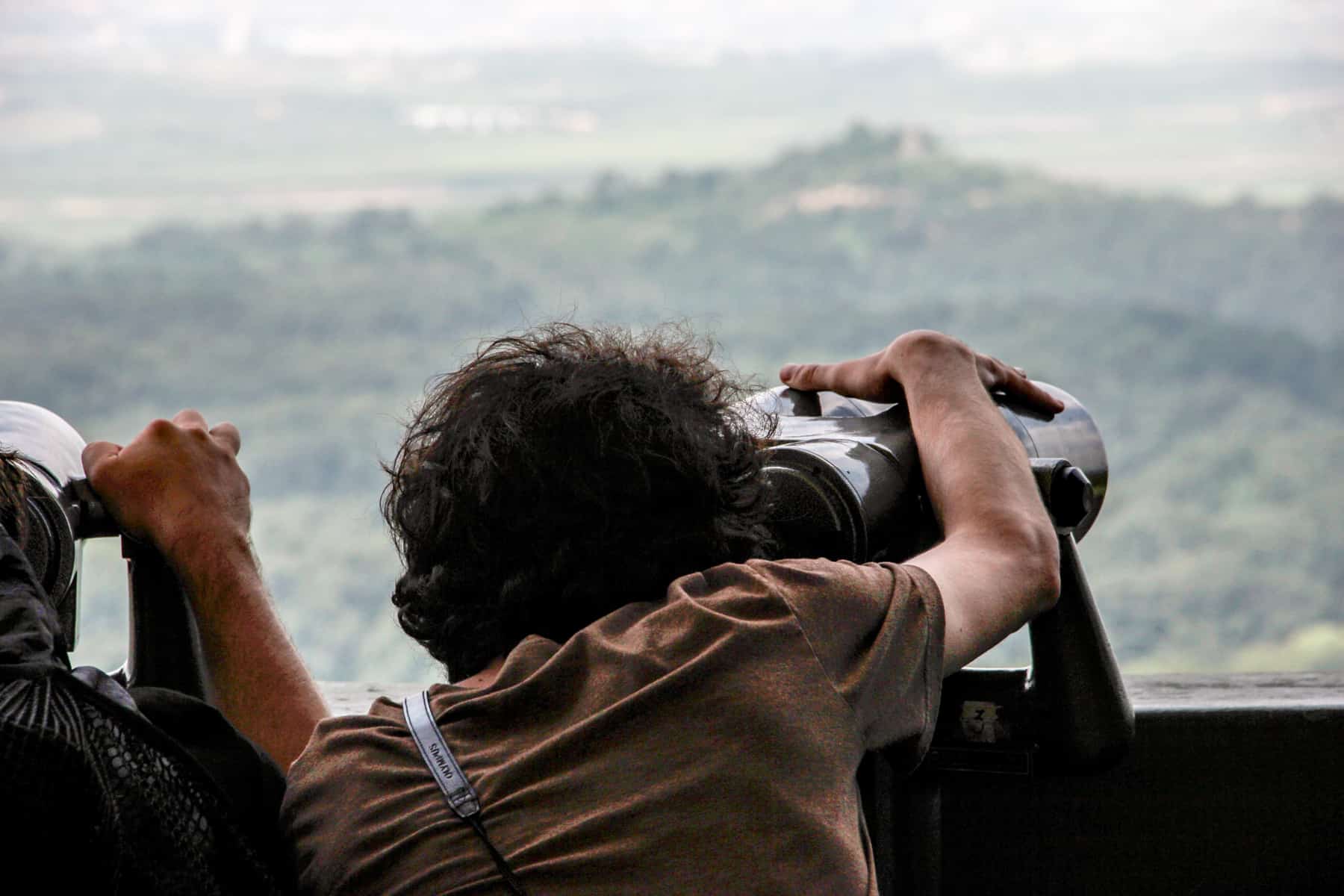
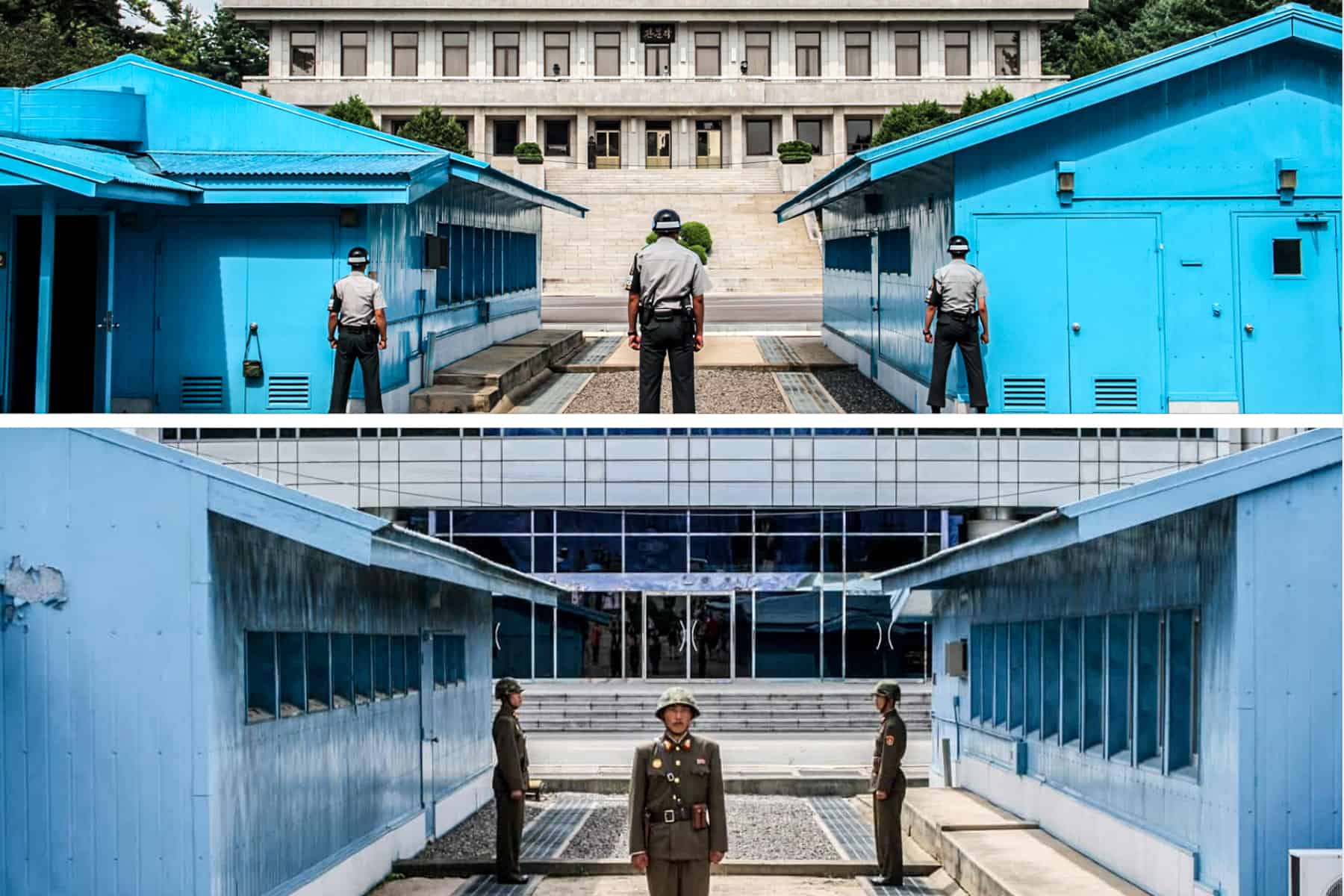
There is also a difference in how you visit and who you visit with. For example, you will travel with a third-party tour operator to destinations such as North Korea, Turkmenistan, and Eritrea. While some of your money will go to the government, you will be fully briefed and aware of how the trip is run, what to expect, and the rules. Saudi Arabia’s tourism campaigns came under fire because bloggers were funded by the government and briefed on what to publish, thereby glossing over the deeper issues facing the country. When Syria seemingly opened up to tourism, travel bloggers were criticized for positive and misleading coverage – it turned out that the organised tours were a part of a propaganda campaign by the Syrian regime to get money for rebuilding Syria.
Responsible Action:
- Don’t claim to “not do Politics” – travel is a political act.
- Independently travel to destinations deemed dangerous or controversial (where possible); deeper research and showing the context of tourism would be viewed very differently.
READ MORE: This is How to Travel Tibet – Responsible Travel in Isolated Countries
READ MORE: Visiting Hebron in the West Bank – The Divided City of Palestine
READ MORE: Everything to Know About Travelling to Iran
READ MORE: North Korea Travel – The Truth About Visiting the DPRK
Responsibility is a Collective Force
Capturing memories is part of the fun of travel, but it should never put your life at risk, disrespect culture, endanger our species, or damage our landscapes, just for likes.
We are all guilty of not knowing at some point or another before we took our greatest snap, but we can help educate one another going forward.



nova says
This is such an important and eye-opening post. Social media has a huge influence on travel, and your points about responsible geotagging, respecting wildlife, and being culturally sensitive really stood out. It’s a great reminder that travel content should inspire without harming places or communities. Thank you for sharing such thoughtful and meaningful insights for responsible travelers.