
Disclaimer: This post contains affiliate links to handpicked partners, including tours, gear and booking sites. If you click through or buy something via one of them, I may receive a small commission. This is at no extra cost to you and allows this site to keep running.
What is Tokyo like? Things to know about Japan’s capital of uniqueness, where the bold meets tradition and order balances chaos.
Whilst Japan requires more than one visit to cover its vast grounds, there is no better introduction than jumping headfirst into its cutting-edge capital city, Tokyo. The city holds tremendous fascination and a reputation for uniqueness, and over the years, I’ve spent weeks there trying to uncover it all.
At first, it was a bewildering space, like Scarlett Johansson’s character in ‘Lost in Translation’. Tokyo is a city where modern boldness interweaves with tradition, history layers with high-rise, and where pandemonium meets the polite. But it’s not an intimidating or frustrating city. Whether it takes time to get used to it or whether you jump in headfirst, it’s hard not to like Tokyo.
So, what does Tokyo look like? How does it function? What is Tokyo known for? Which places offer the best glimpses into Tokyo life?
Here are the reasons I love Tokyo and what makes it unique to visit.
READ MORE: Japan Travel Budget – Country costs for a multi-week trip
BOOK: See the best of Tokyo on a full-day sightseeing bus tour.
Why is Tokyo so Clean?
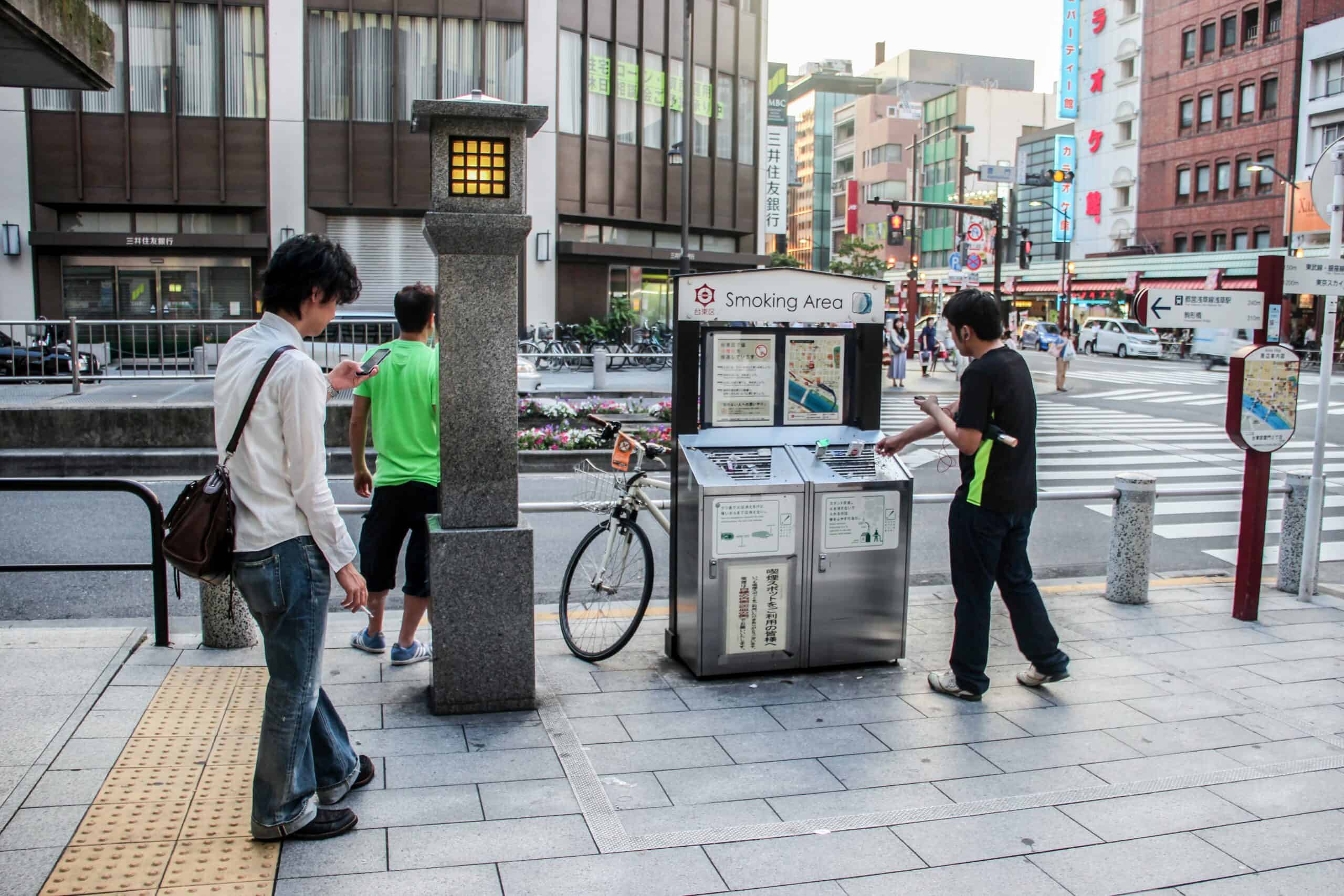
Tokyo is so clean that it almost looks brand new. You’ll rarely see rubbish strewn on the pathways or dropped as litter, and no large bin bags are left festering for collection. The ‘five-second’ rule of eating something dropped on the floor could turn into the ‘five-minute’ practice, and no graffiti covers an old wall or alleyway. Tokyo cleanliness even extends to dedicated smoking areas to contain the littering of cigarettes.
When you visit Tokyo, you’ll get a window into the future where people respect their surroundings.
Japanese Etiquette in the City
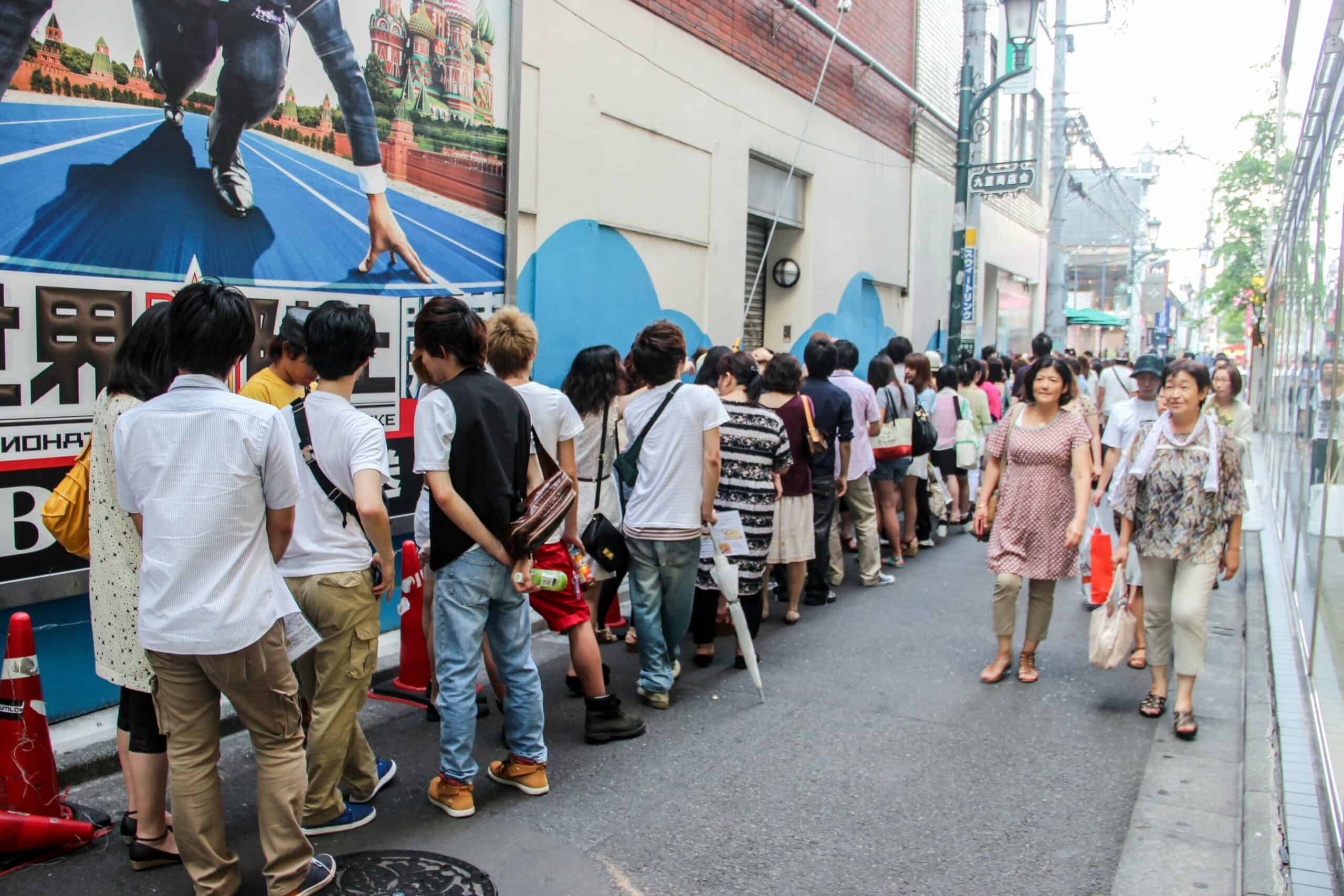
The Japanese are polite and welcoming and follow a rigid etiquette that you should try to uphold, too. Unlike most cities where people often become disgruntled, Tokyo hasn’t lost its civility. People here follow the same etiquette: bowing when saying hello and thank you is the norm, as is giving and receiving items and gifts with both hands.
Even when paying, you should place the money in the plastic tray, where the cashier will return your change. Guesthouse owners go out of their way for you, and shop workers are some of the cheeriest people you will meet. This is a beautiful thing to encounter daily in Tokyo and beyond and a reminder of the importance of mutual respect.
Shops Have an Abundance of Everything
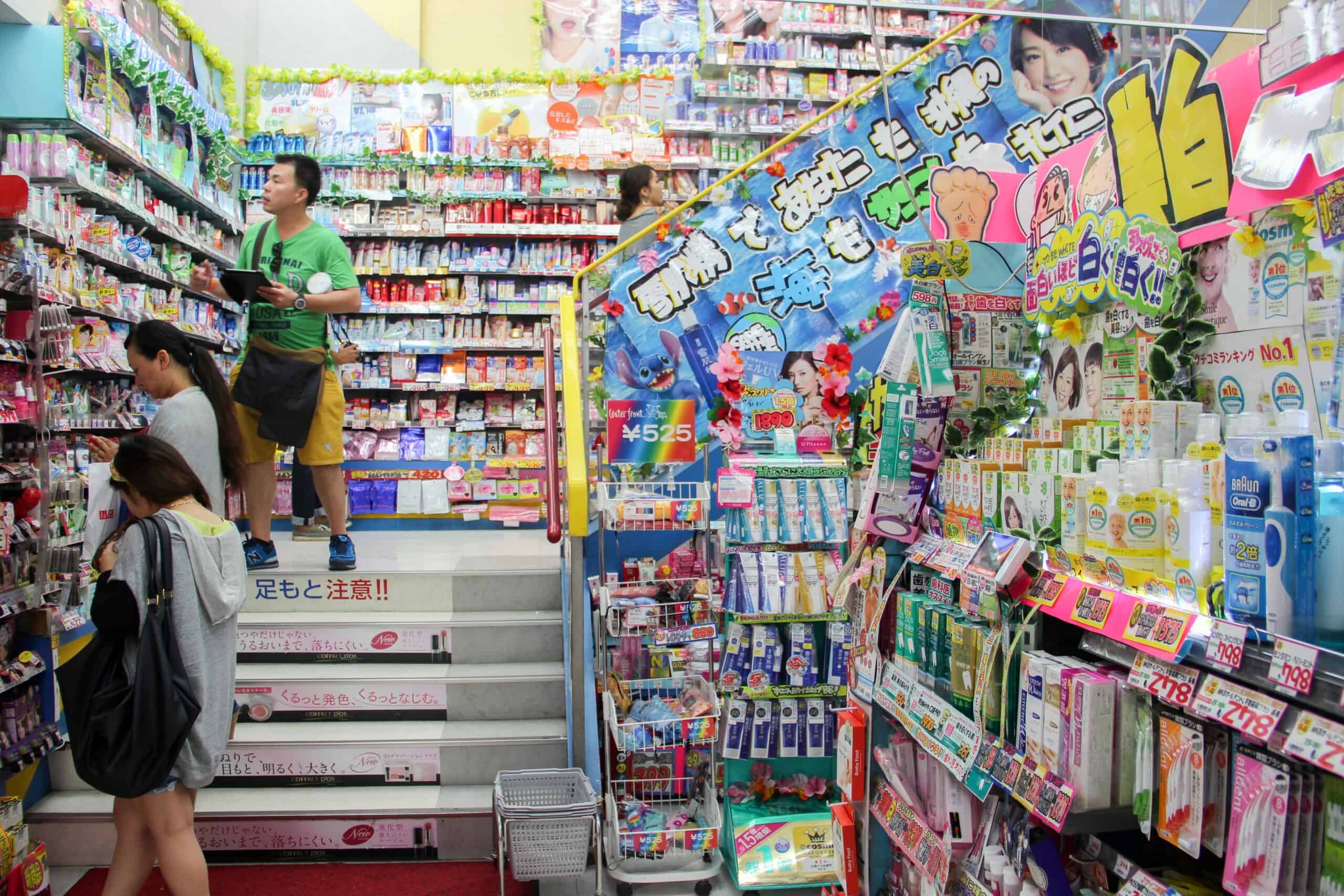
Beyond huge shopping malls are convenience stores and little specialist shops that sell household, lifestyle, or beauty goods. Inside you’ll find an overwhelming plethora of products of every variety. It’s fascinating, and making a final choice here must take hours.
The aisles are sometimes decked out in handcrafted neon-coloured signs and posters to point you in the right direction, although it’s still difficult enough to know where to start. No matter how many times I walked past one of these shops, I still went in, even though they all looked the same.
The Pedestrian Walkways are Colossal
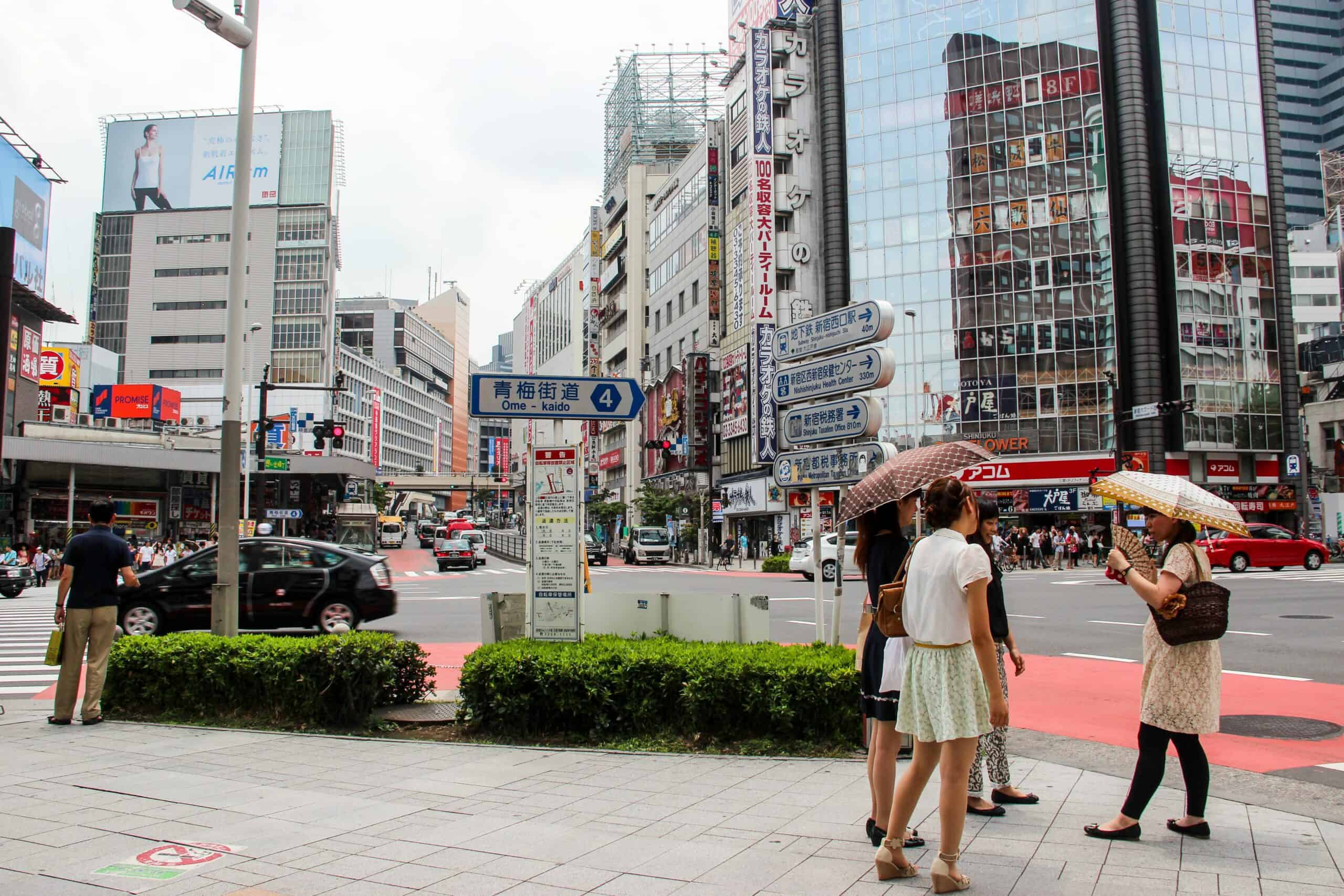
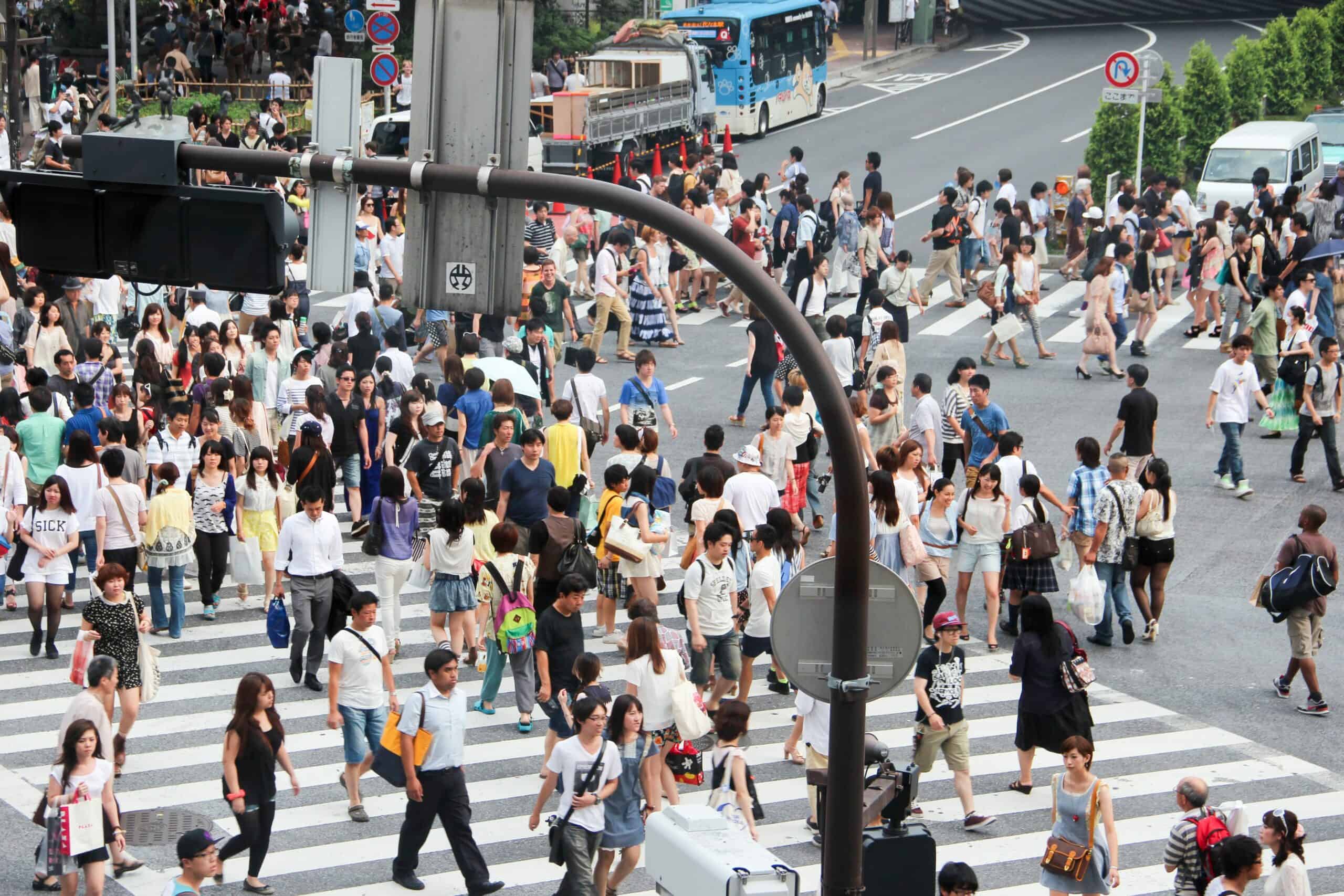
The Japanese don’t just do average pedestrian crossings, and Tokyo doesn’t just have standard pedestrian walkways; it has enormous pedestrian crossings. Tokyo doesn’t care much for footbridges and funky walkways like Hong Kong and Bangkok; it creates an artistic vision of beautiful chaos on its roads alone. Take the famous Shibuya Crossing as an example – hundreds of people in Tokyo cross at any one time in a calm and orderly way.
Eagerly await the beeping green man and join the throng of people, or head to the second floor of the Starbucks in the area to get a clear view of the beautiful chaos. In places like Shinjuku, some uniformed men help ease the flow of people traffic.
Tokyo is the Best at Themed Cafes
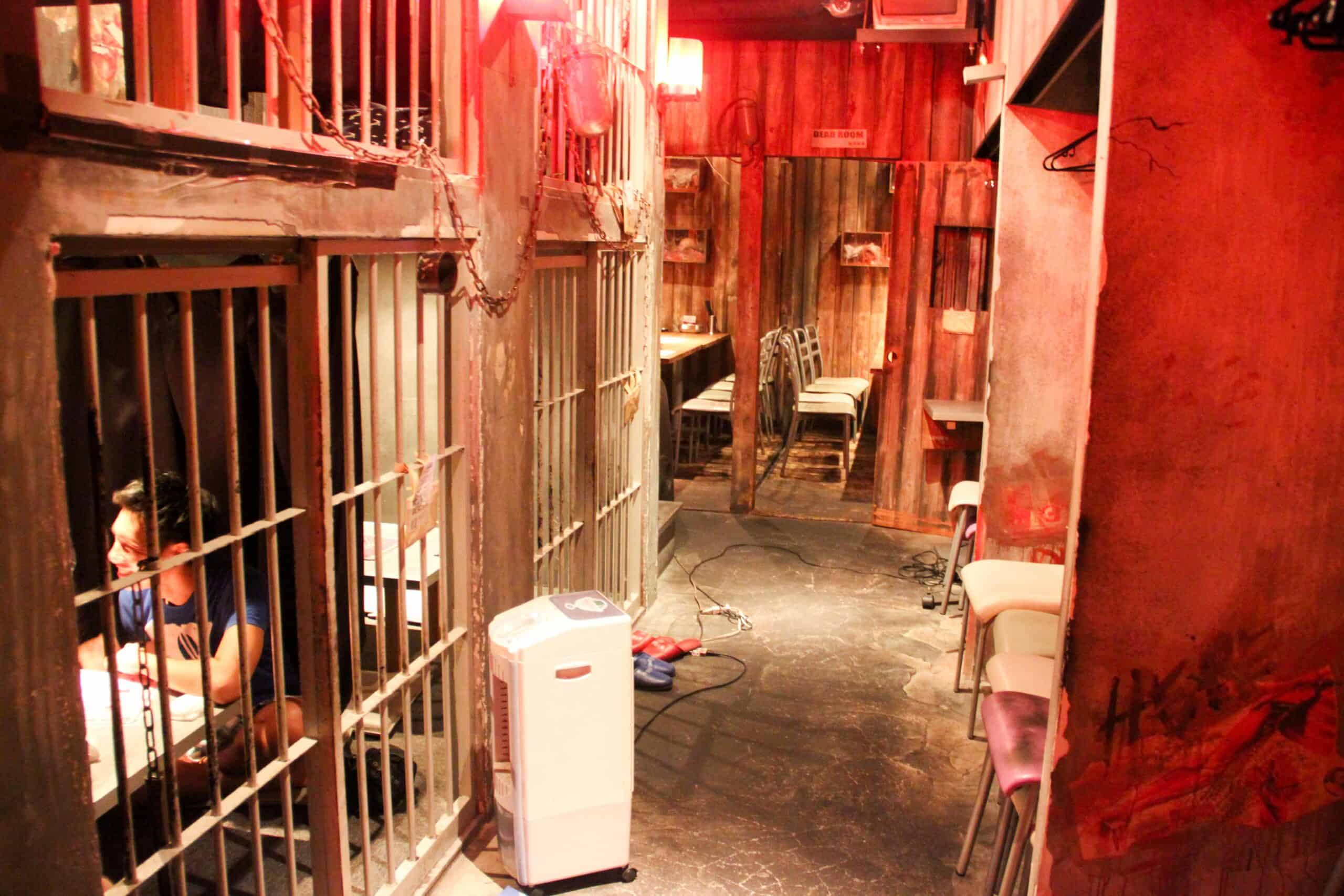
What is Tokyo without its quirks and oddities? It wouldn’t be the same city without them, and one of those is in the form of its many themed restaurants and cafes. There are cat, robot and Super Mario cafes, Vampire, Ninja and Alice in Wonderland restaurants, and many more. I decided to have dinner at the Alcatraz ER restaurant, where you sit behind prison bars and bang on them with a metal rod to call attention to the waiter. My cocktail was made with syringes, and eccentric doctors and nurses served my food.
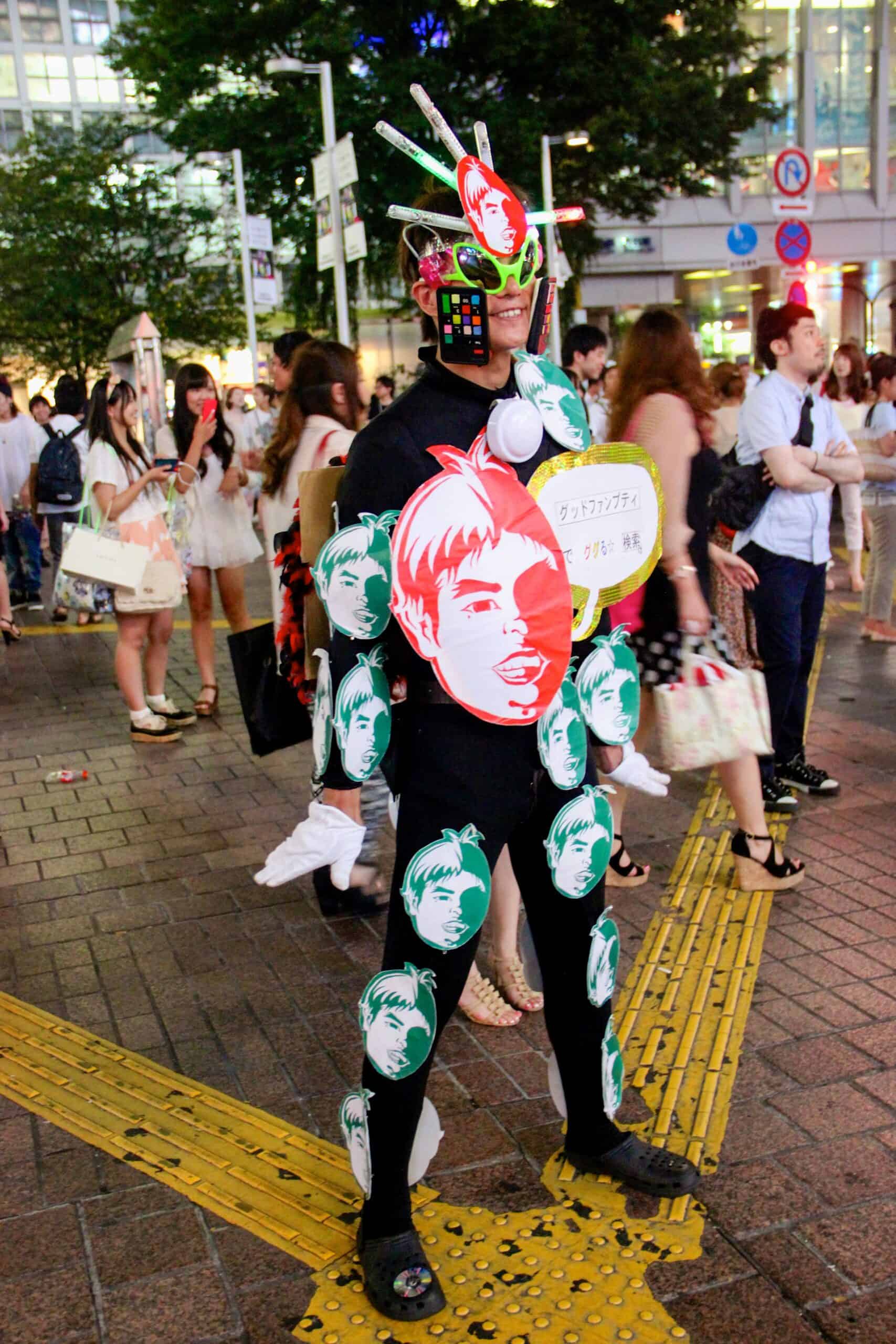
Where People Have a Unique Fashion Sense
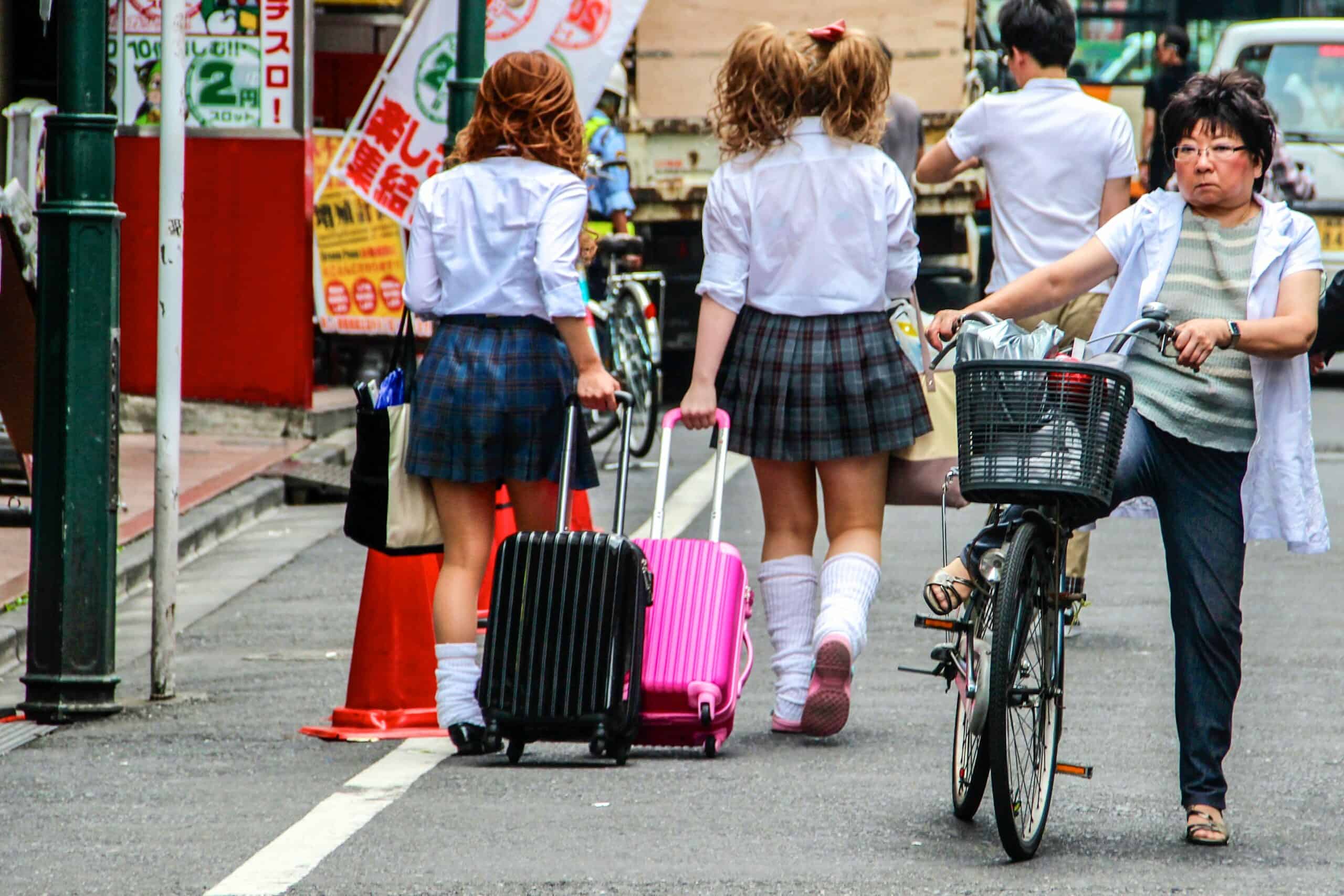
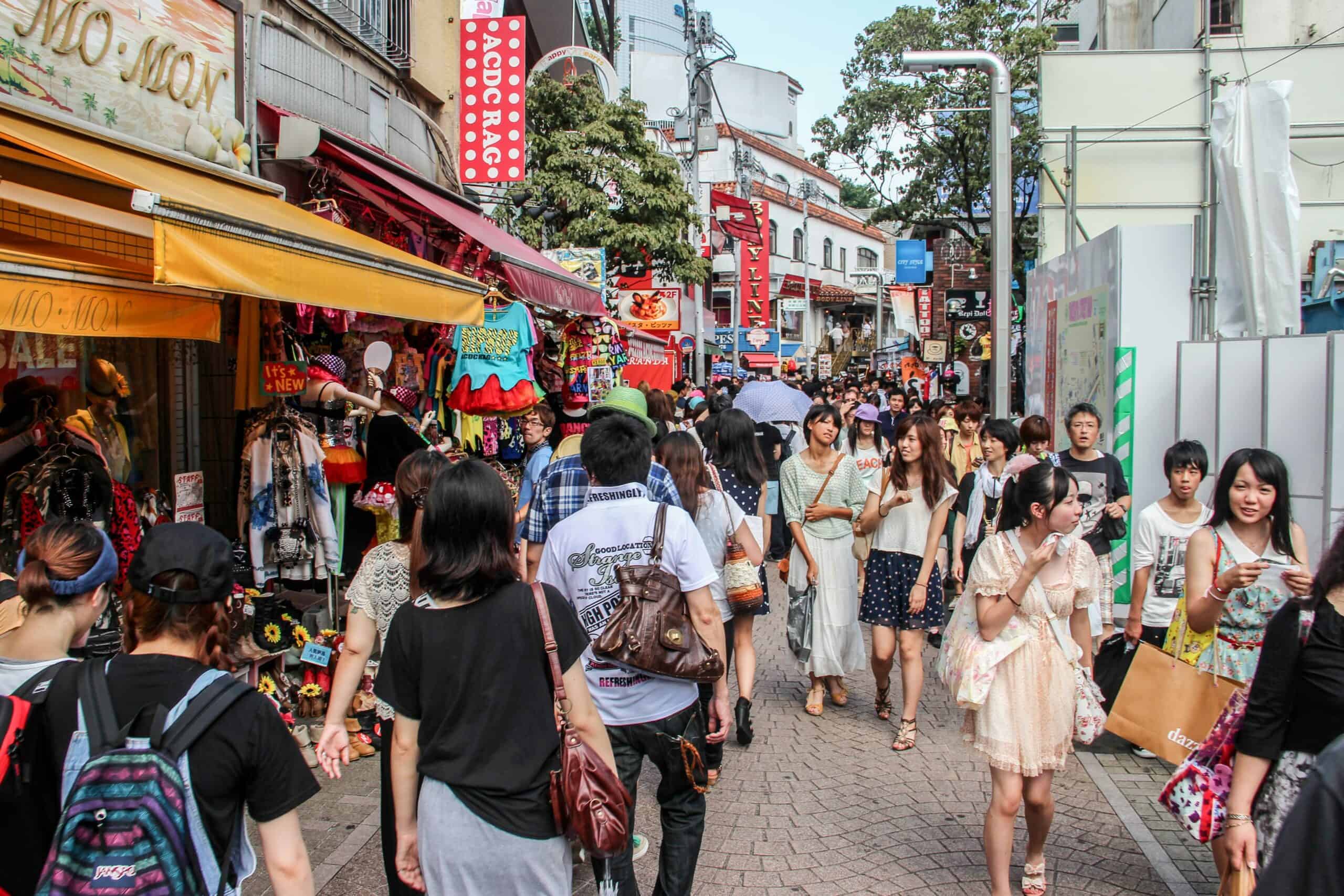
Marvel at the unique fashion styles on display in Harajuku. While you will find all manner of individual fashion styles throughout the city, nothing says standout subculture quite like this city enclave. Sunday is the best day for people-watching.
Little Boo Peeps, Goths, rockers, and best friends who wear the same outfit head to toe. Throw in funky hairstyles, doll makeup and a few traditional yukatas (kimonos), and you would think this is a dress party in a shopping district. Except it isn’t – these young Tokyo locals style with pride, artistry, and confidence.
Sunday is said to be the day that a full fashion parade really gets into full swing.
Architecture is Neat, Compact and Functional
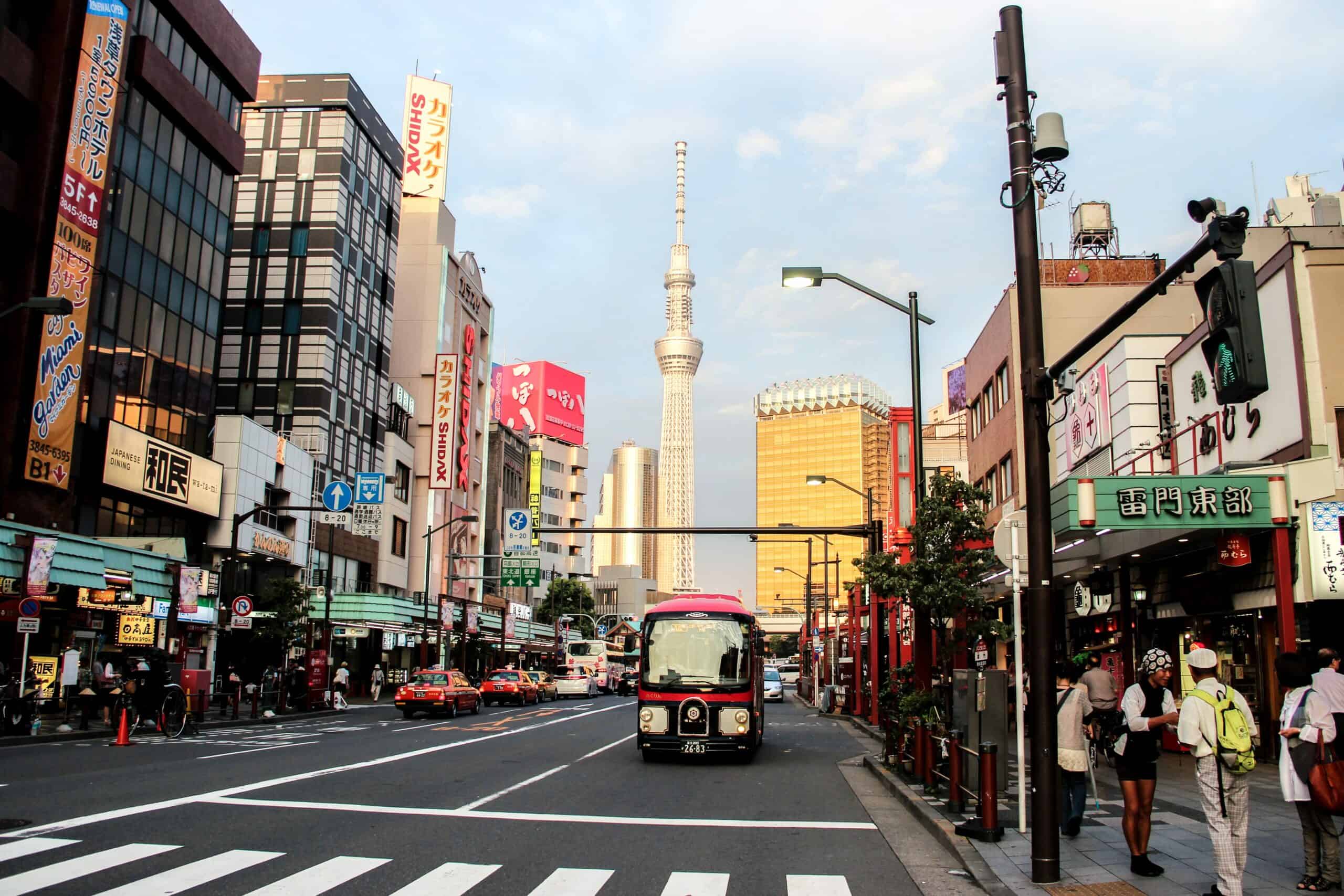
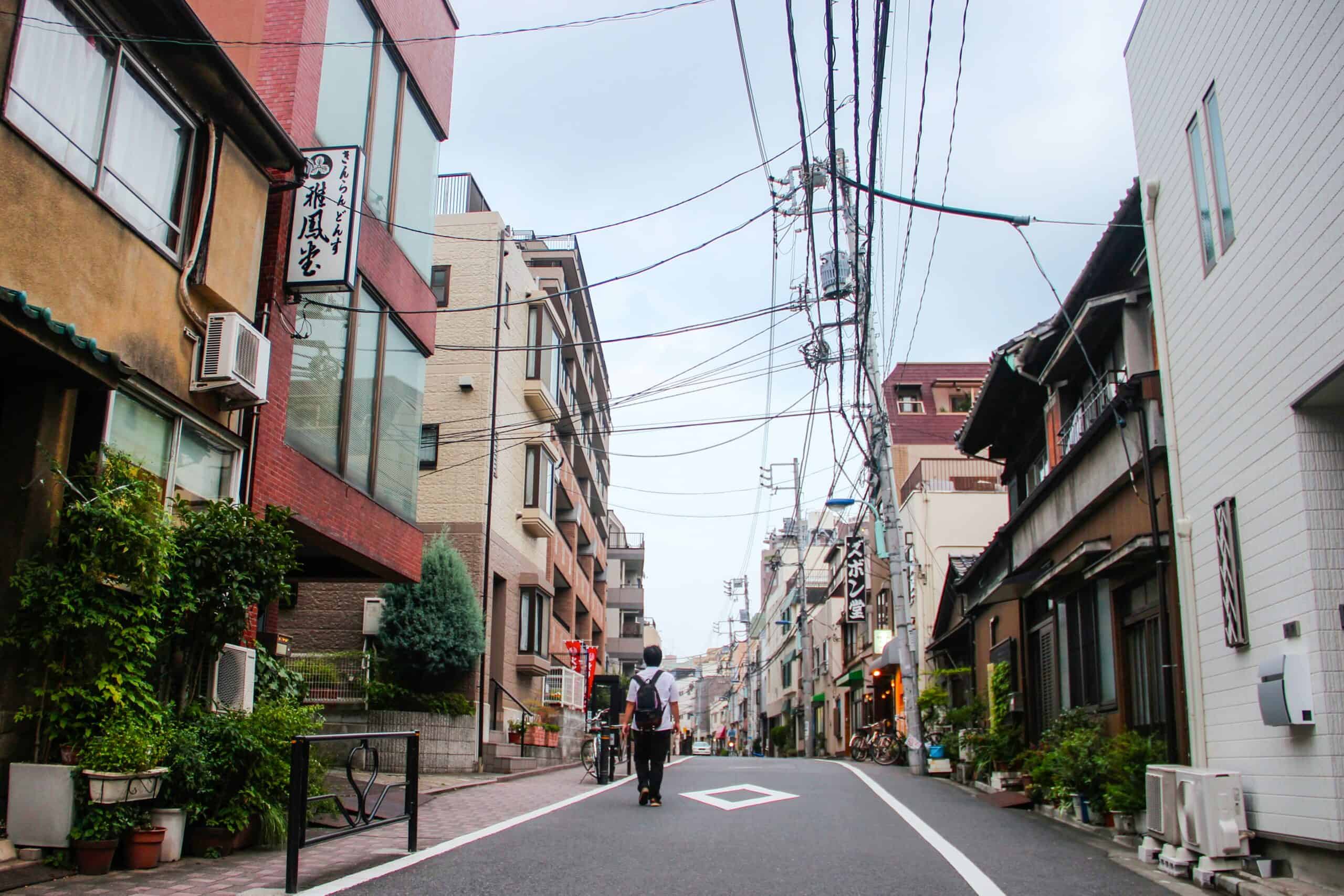
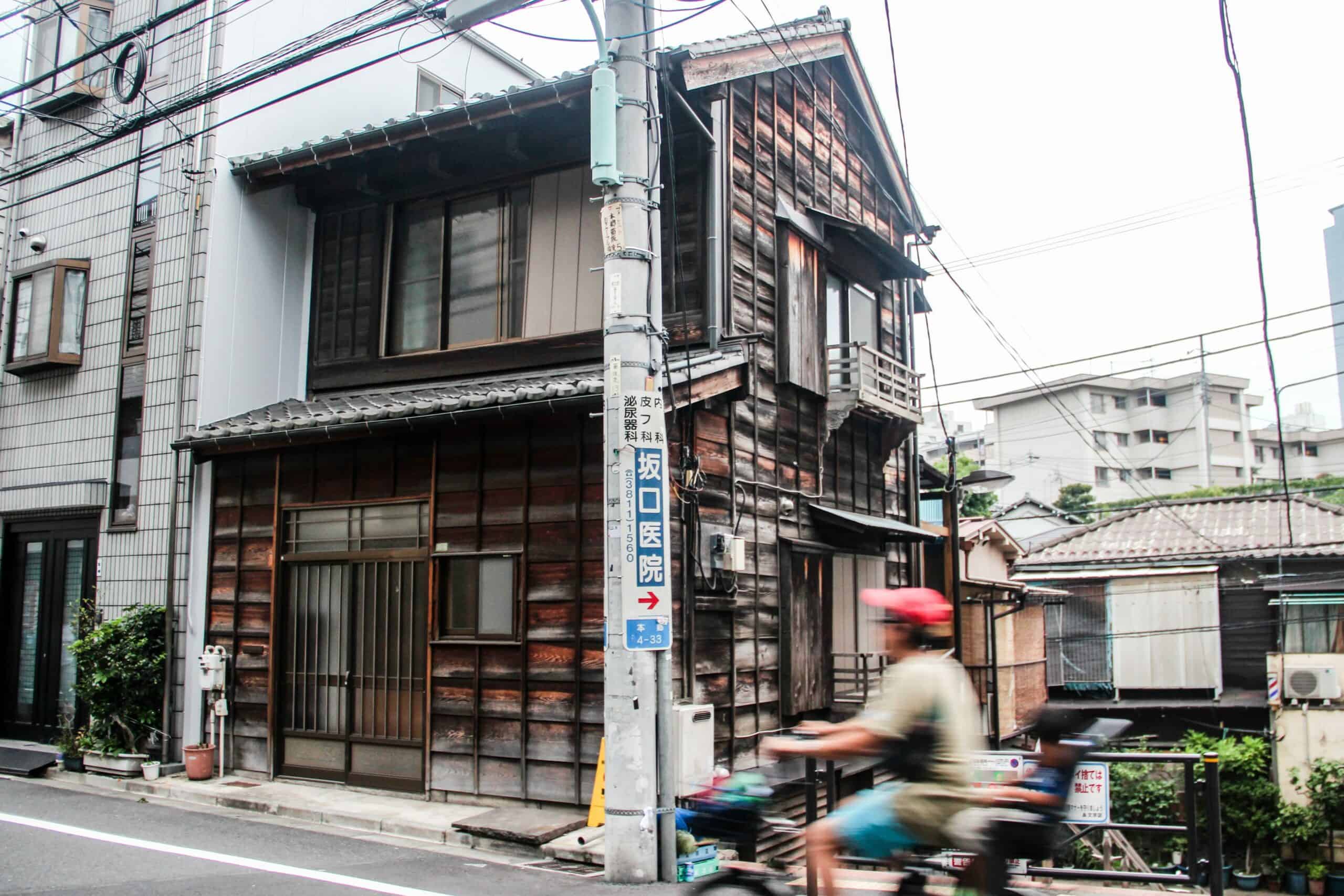
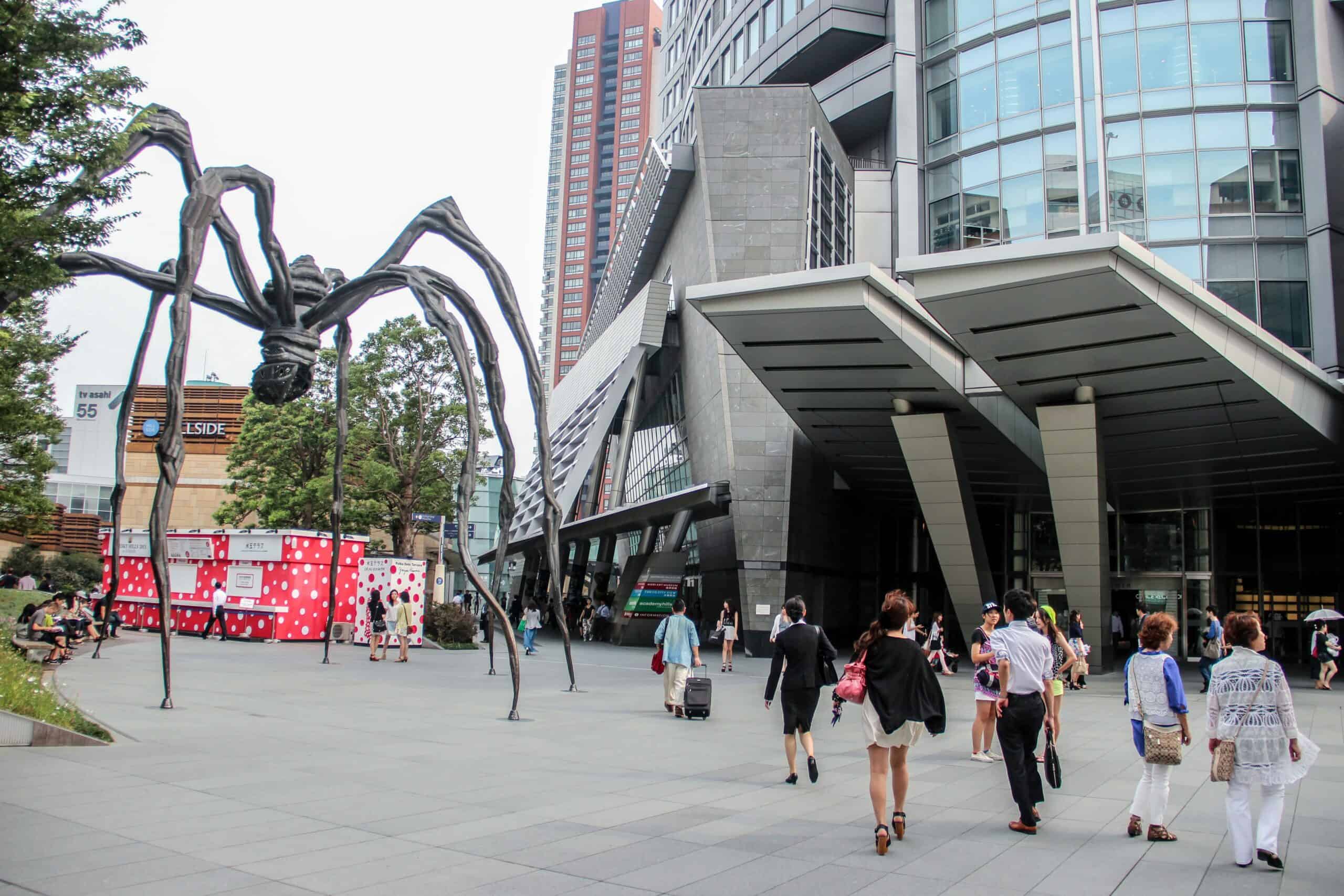
I love the architecture in Tokyo, from the grandiose skyscrapers in the centre to the local houses in inner neighbourhoods that are traditionally wood-built or compact modern structures made of brick and metal. In the capital and throughout Japan, most of the residential buildings here are either small and very square or tall and rectangular thin, exist in varying earthy shades of coffee, caramel and grey and neatly placed together.
Although Tokyo has its area of skyscrapers and modern architecture, the overwhelming feeling here is for the design to be functional and straightforward rather than used as a showpiece. Or the emphasis on keeping and reviving old historic structures and family heirlooms.
Mass Advertising on City Buildings
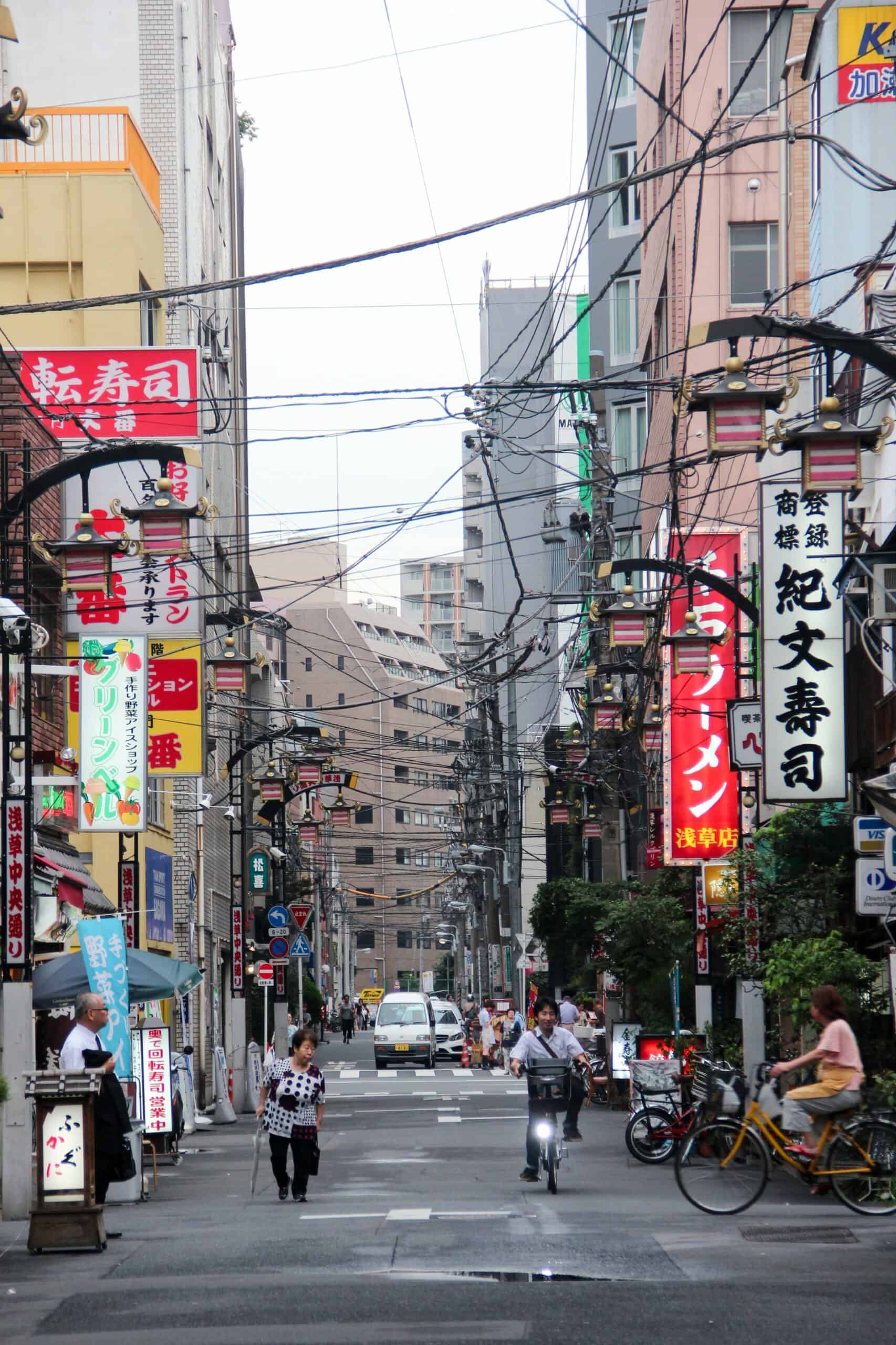
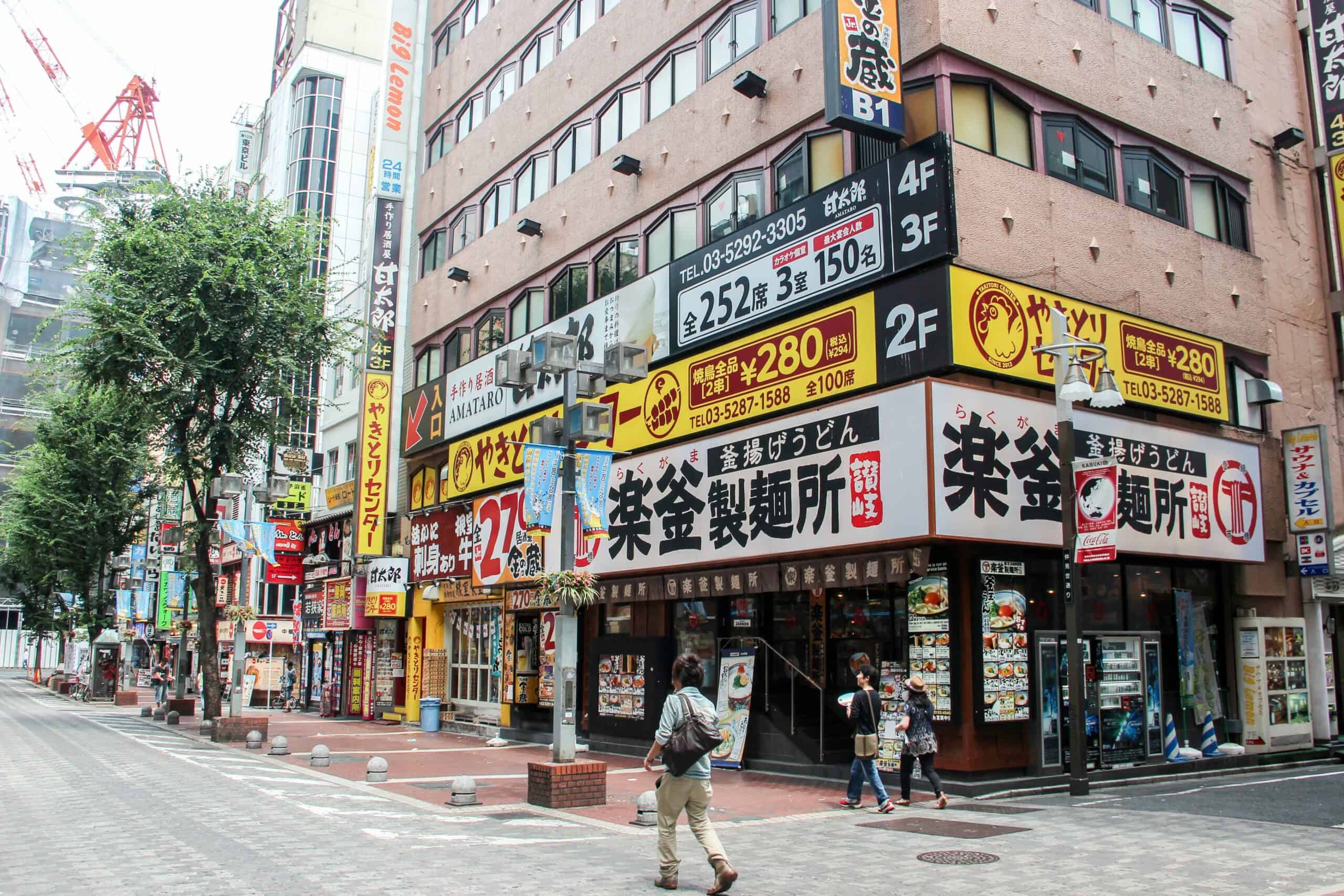
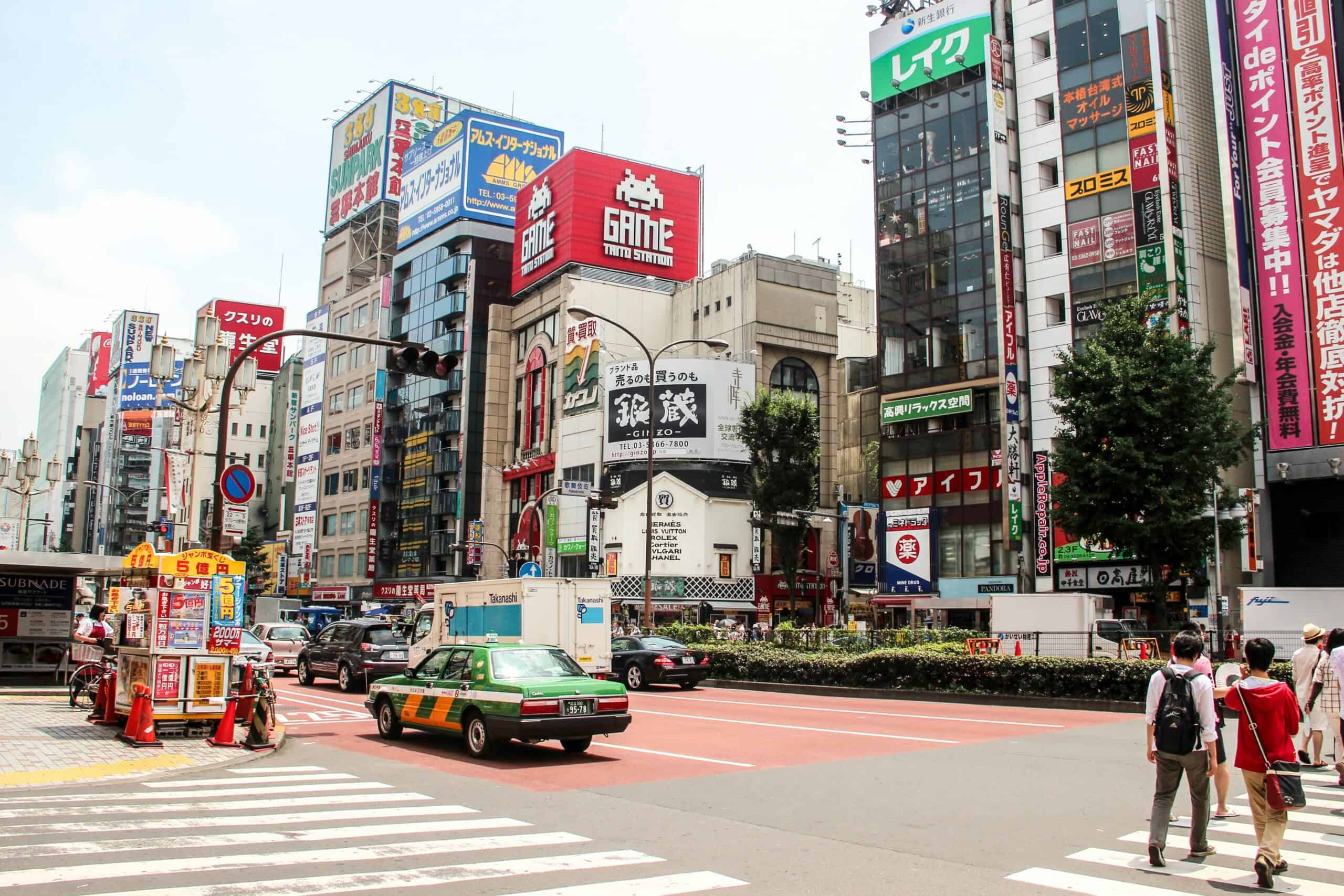
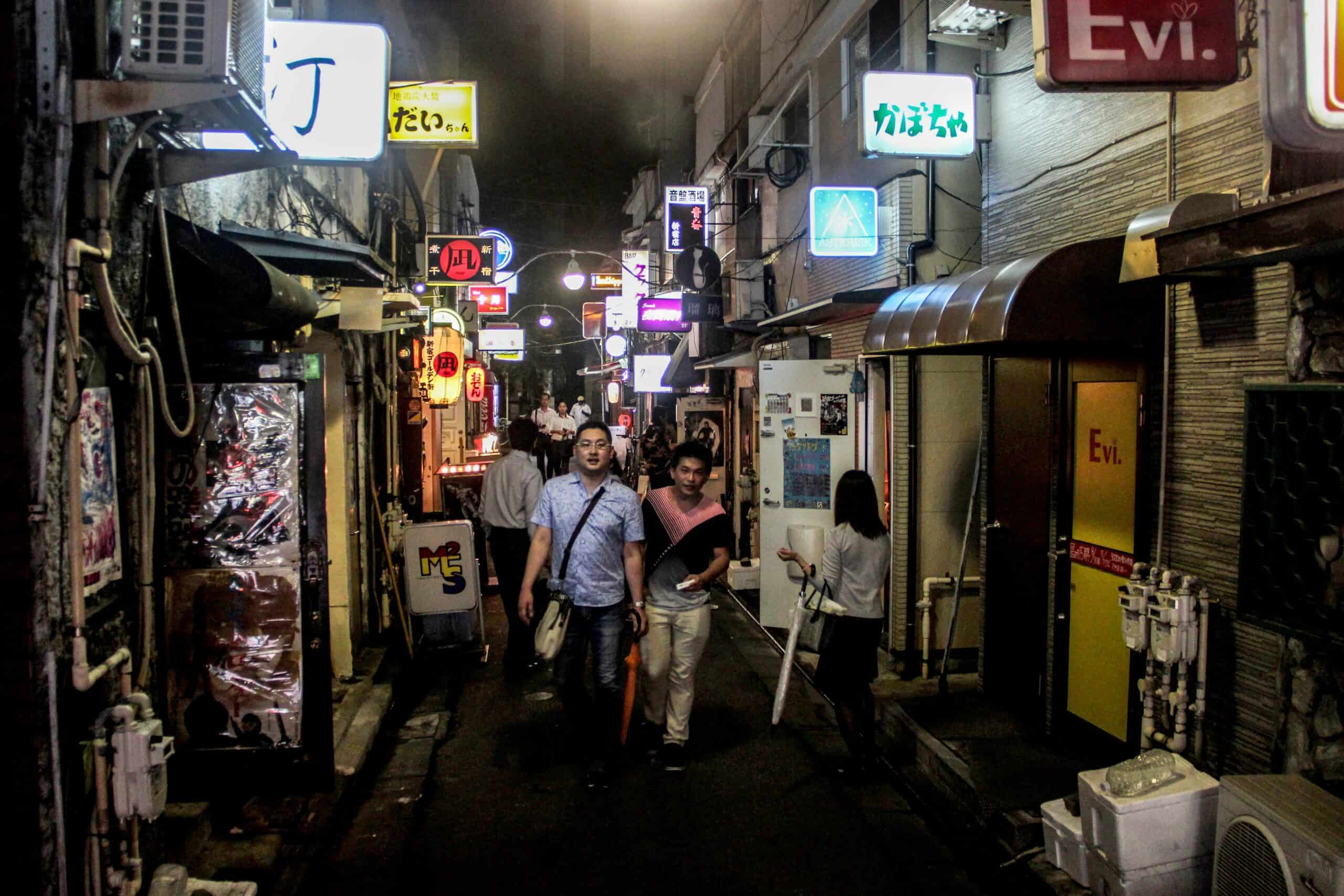
A sign on the front of a shop or other outlet is not enough here. Instead, signs protrude from the sides of buildings, overwhelming you in a sea of choice and Japanese characters. In the areas like Shinjuku, Shibuya and Ginzo, where facilities have more than one floor, there may be as many as six signs denoting the different uses of each floor, including restaurants, bars, cafes and beauty salons. Which means many signs – up, down and all around.
Nothing is more impressive than when night comes in, and all the symbols light up like a psychedelic version of Times Square.
Manga and Anime Abound
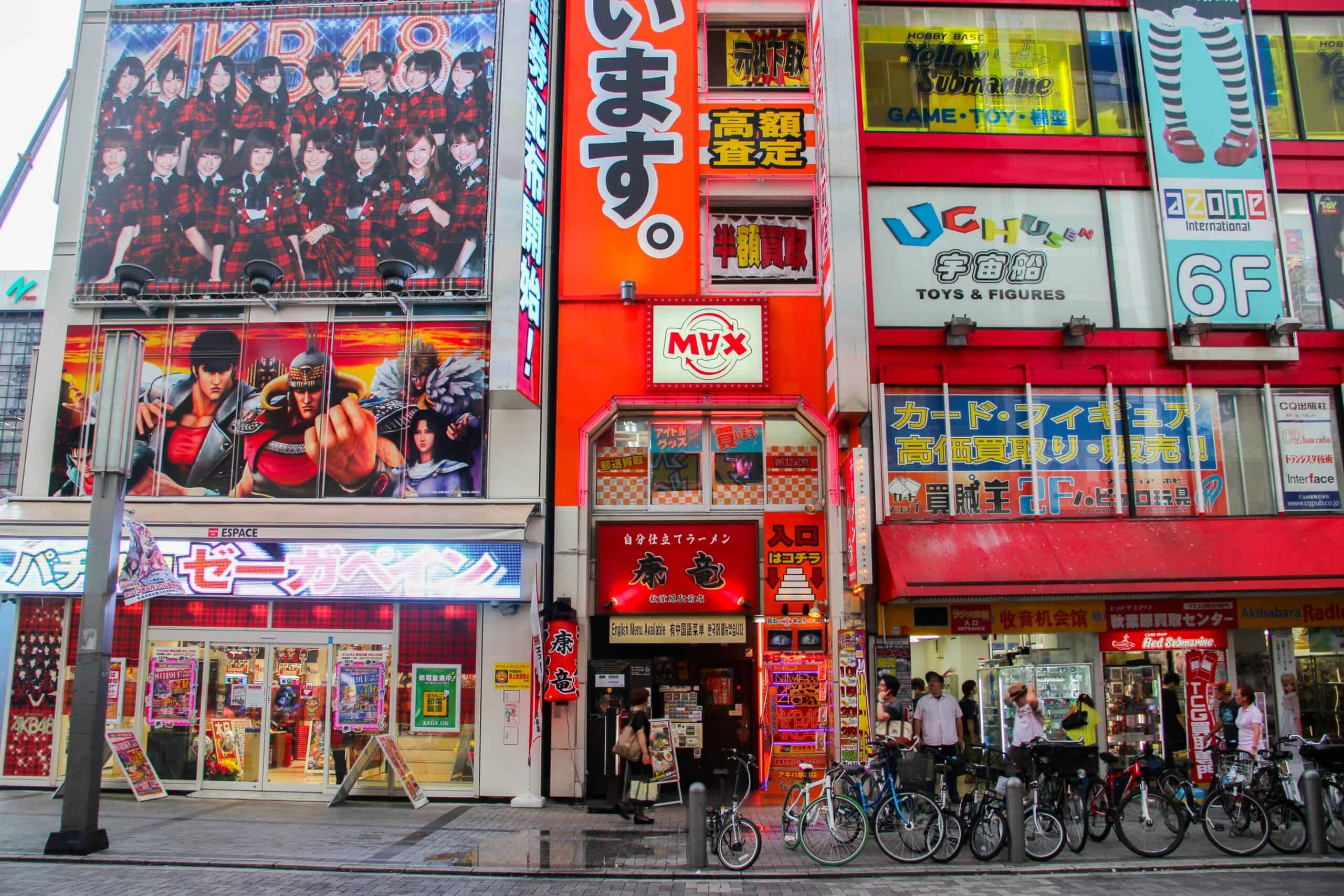
From the main comics and animations to the dolls, toys and other devotee merchandise, Manga and Anime are a cultural phenomenon in Japan. Tokyo’s ‘Electric City’ in Akihabara is worth a visit just to soak up the atmosphere of the fans within the multitude of specialist shops, arcades and maid cafes, which sit alongside a vast selection of electronics stores. There’s even a dedicated theatre here for Japan’s biggest girl band AKB48. This area really is geek-chic heaven.
A Finely Tuned Tokyo Metro
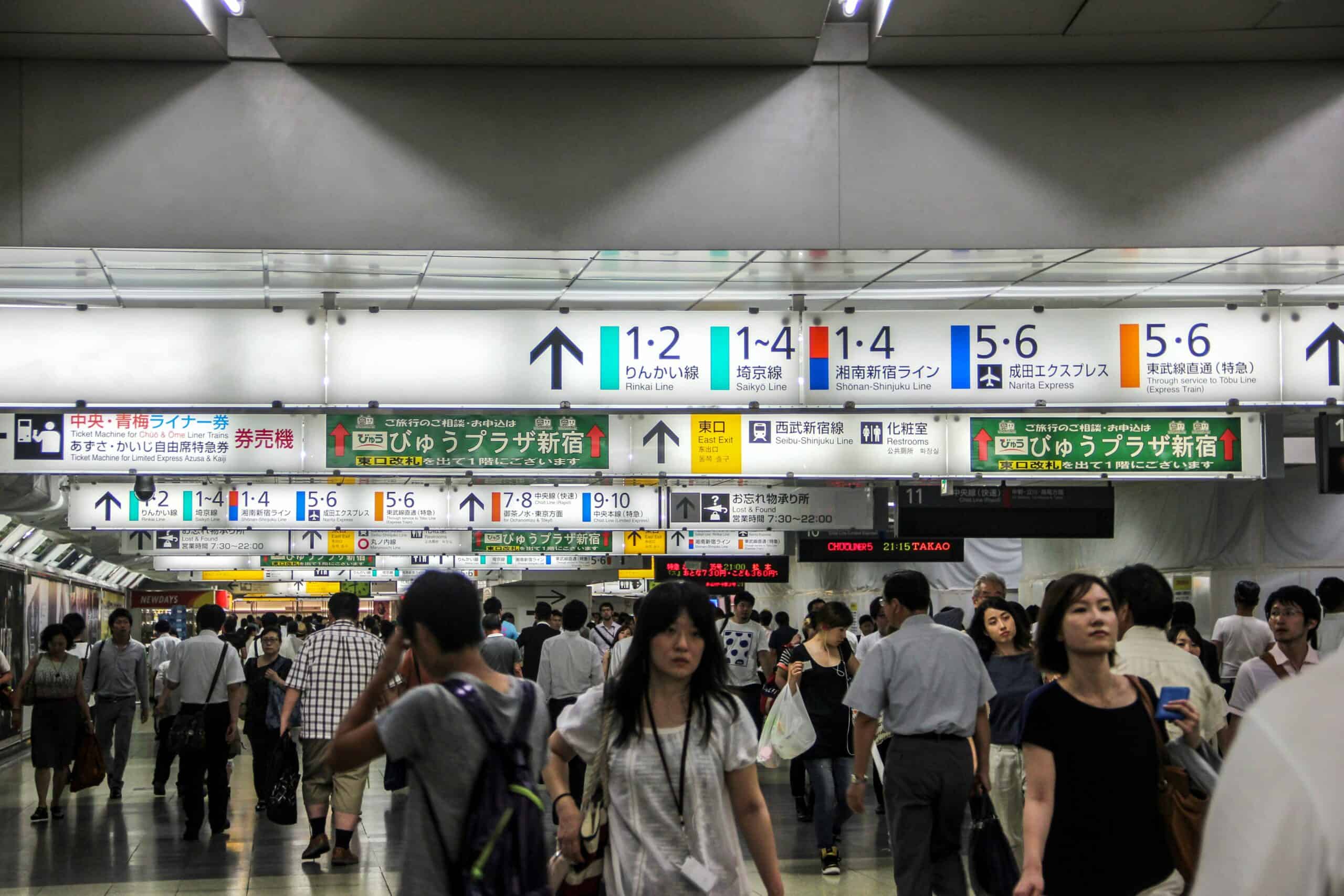
I love the metro underground train – in London, Paris, Beijing, Shanghai, and Hong Kong, each has its unique operation. The Tokyo metro is something special. There’s no chaos (outside commuter hours); no one is in a rush or runs and pushes on the trains and escalators. A cute jingle plays when the train stops at every station stop. There are even mirrors on some platforms (although I am unsure about the reason)
The only downside here is the long walks between the lines, but the cheery tune puts a smile back on your face.
Transport is On Time
Japan is a country of expert timekeeping and Tokyo, despite its frantic city status, still adheres to the rule. I’m a Londoner, and this never happens, so imagine being in a place where if a train is due to arrive at 15.34, it pulls in at 15.34 and 40 seconds and leaves at 15.34.
A local informed me that if a train is late, you can request a ticket from the platform inspector, who will state, by the minute, how long the train was late. You can then present it to your employer. There’s no messing here.
However, it can be a panic when you have to meet a Japanese friend. I was nearly 10 minutes late meeting somebody at a station (to be fair, I got lost), and I felt terrible – tardiness is not respected.
Plastic Food Previews
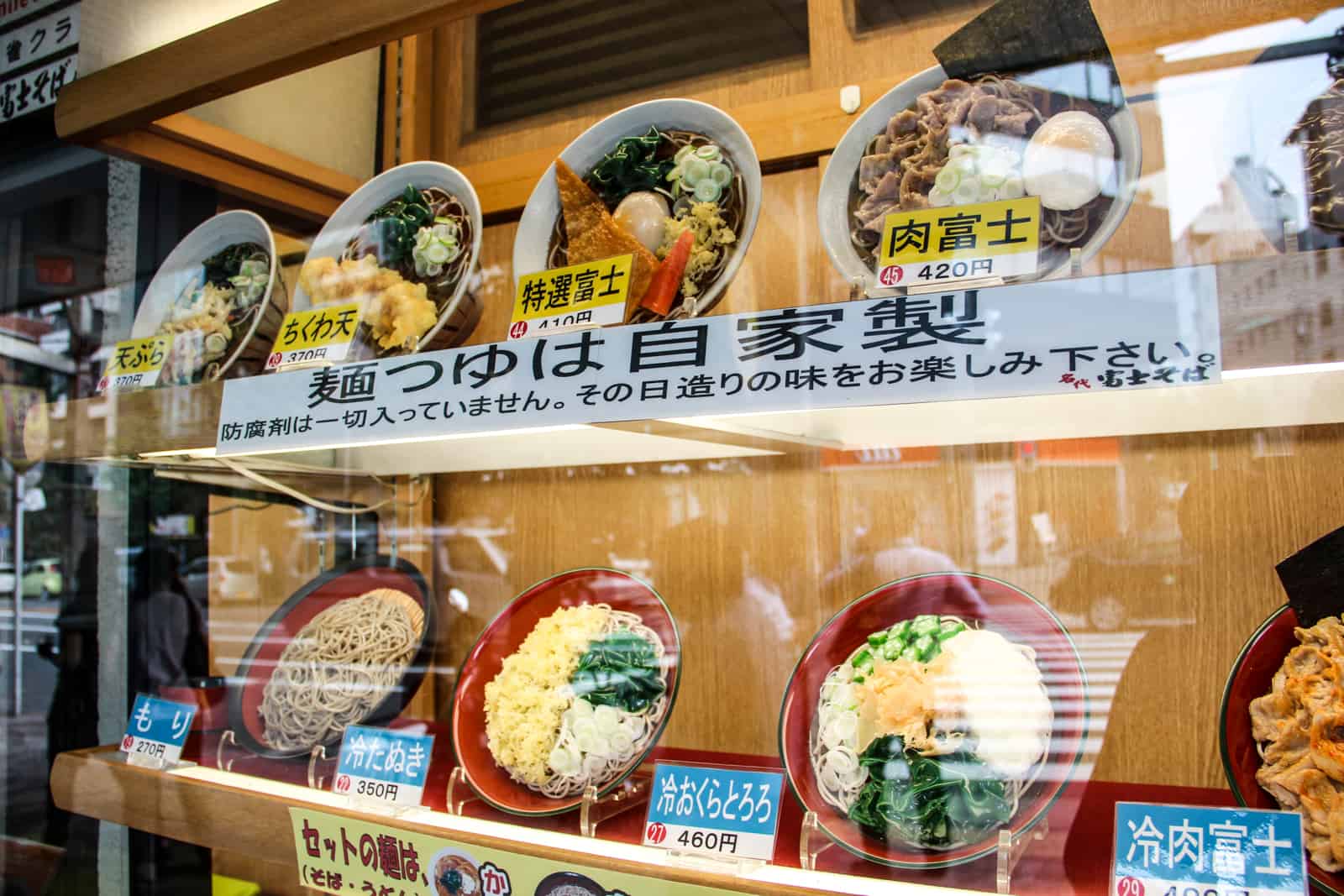
Plastic food in Tokyo (and wider Japan) for a preview is one of the best inventions ever created, especially in a country with a huge language barrier for us visitors. It reminds me of when I was a kid when I used to play with this material that you shaped and put in the oven to harden. If you are not sure what to order or are curious as to what your dish contains, fear not – the plastic food mock-up will show you precisely what you will be purchasing. It looks scarily similar.
Plastic food dishes are placed casually in front of the restaurants or are lined up in the shop windows. There’s even a plastic re-creation of every cake and cookie available in specialist confectionary shops, too. A preview that’s plastic fantastic.
Vending Machines on Every Street Corner
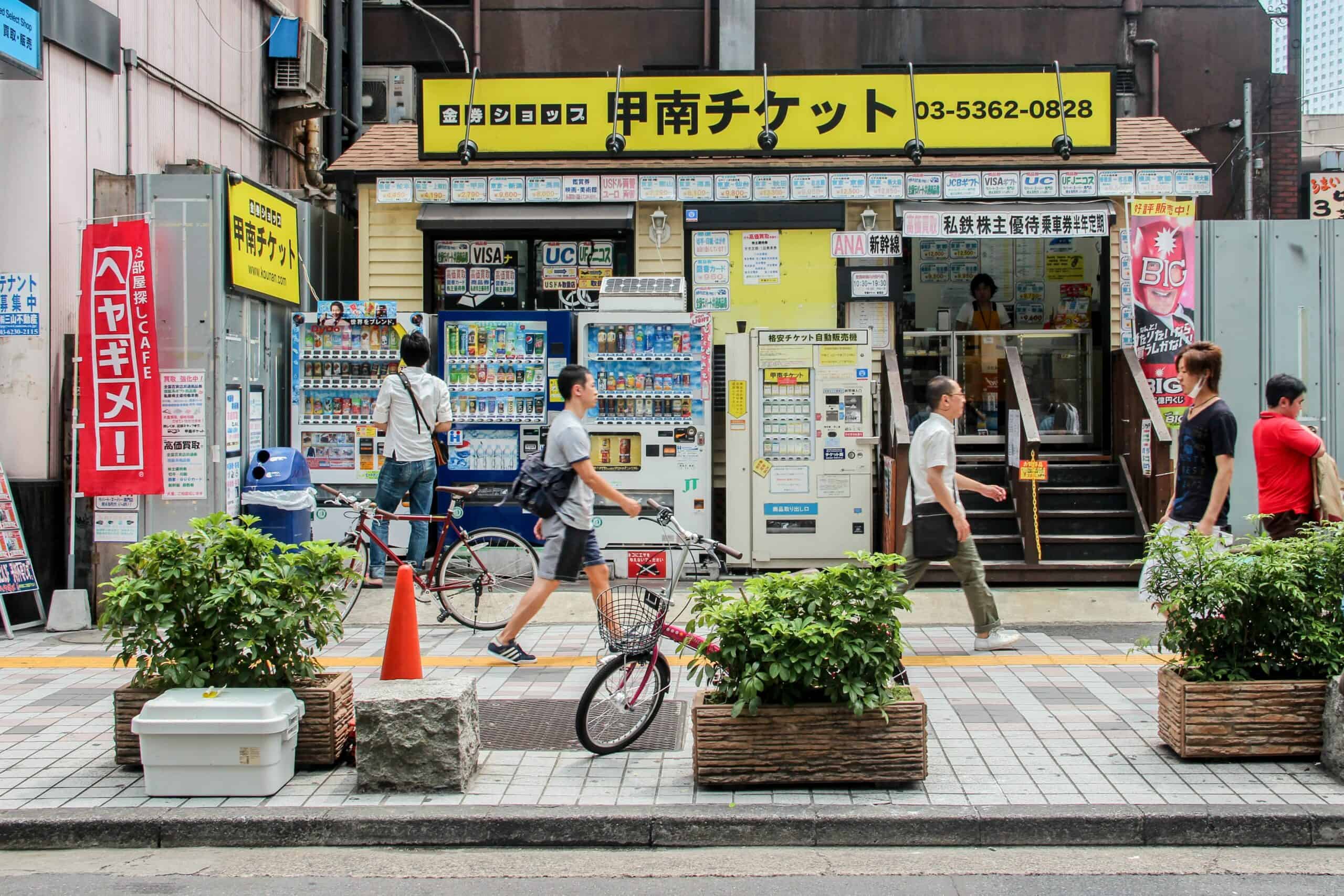
If you were to ask what Japan looks like, vending machines would likely make the description list. The Japanese LOVE vending machines, and you will see them on every street corner, train and bus station and even near shines and public parks. The same goes for Tokyo. Some small restaurants also have a style of vending machine where you select your meal, pay and present your ticket to the waitress, the same with some of the ‘Love Hotels’. It’s all a part of the Japanese attribute of being super organised and time-efficient.
Japanese People are Always Helpful
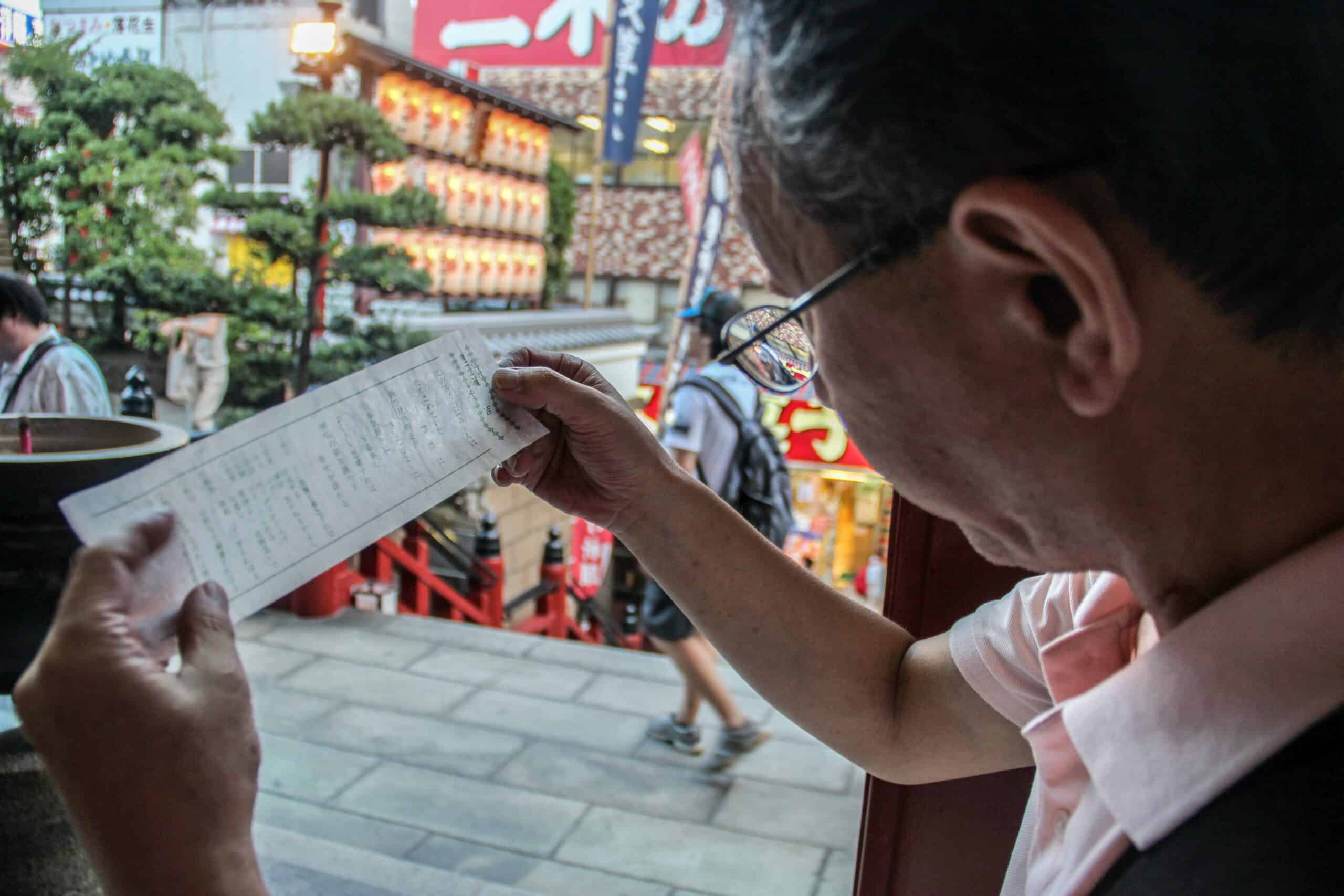
Even with the extreme language barrier, a local in Tokyo will always try to help you in the best way they can. Every time I asked for directions, the person didn’t just point; they walked me right to the spot – whether that’s the right train platform or a destination that’s a 10-minute walk away. Others happily get out their mobile phones and get technical with GPS.
For a nation of people who strictly adhere to time, they always have time for you. For the kindness of strangers, arigato (thank you), Japan.
Tradition still Exists in Tokyo City
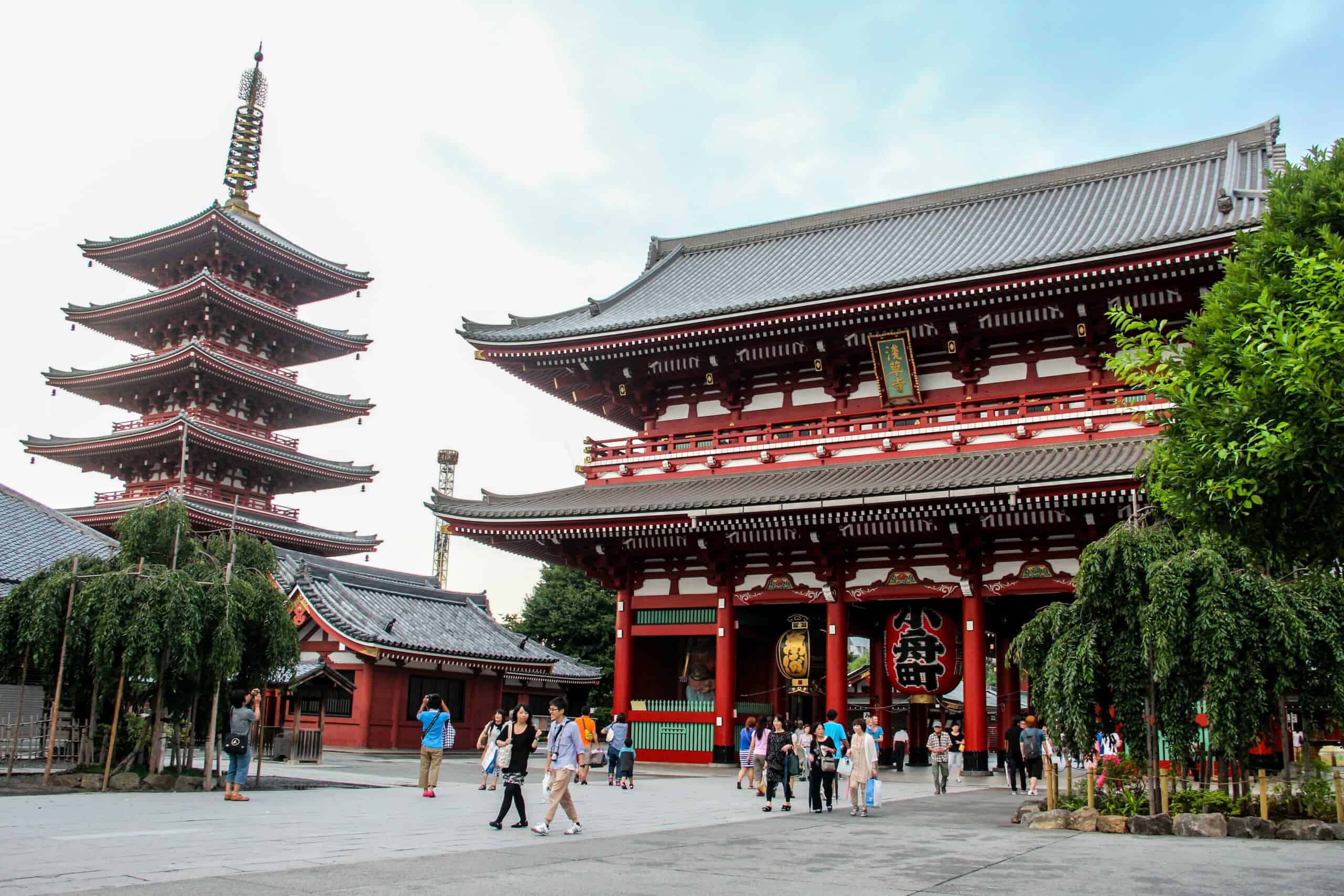
Tokyo might be a modern city, but there are still areas that have kept with traditional designs and layouts. From the Imperial Place grounds in Marunouchi that sits side-by-side with the business district of Ginza, and the Sensō-Ji temple in the thriving district of Asakusa, the charming ‘old atmosphere’ neighbourhoods of Kagurazaka and Ueno, to the restoration and continuation of the Ryokan houses as forms of accommodation, the traditions, architecture and character of aged Japan still poke through Tokyo’s contemporary canvas. This isn’t just another concrete jungle.
Drink in Tokyo’s Tiny Bars
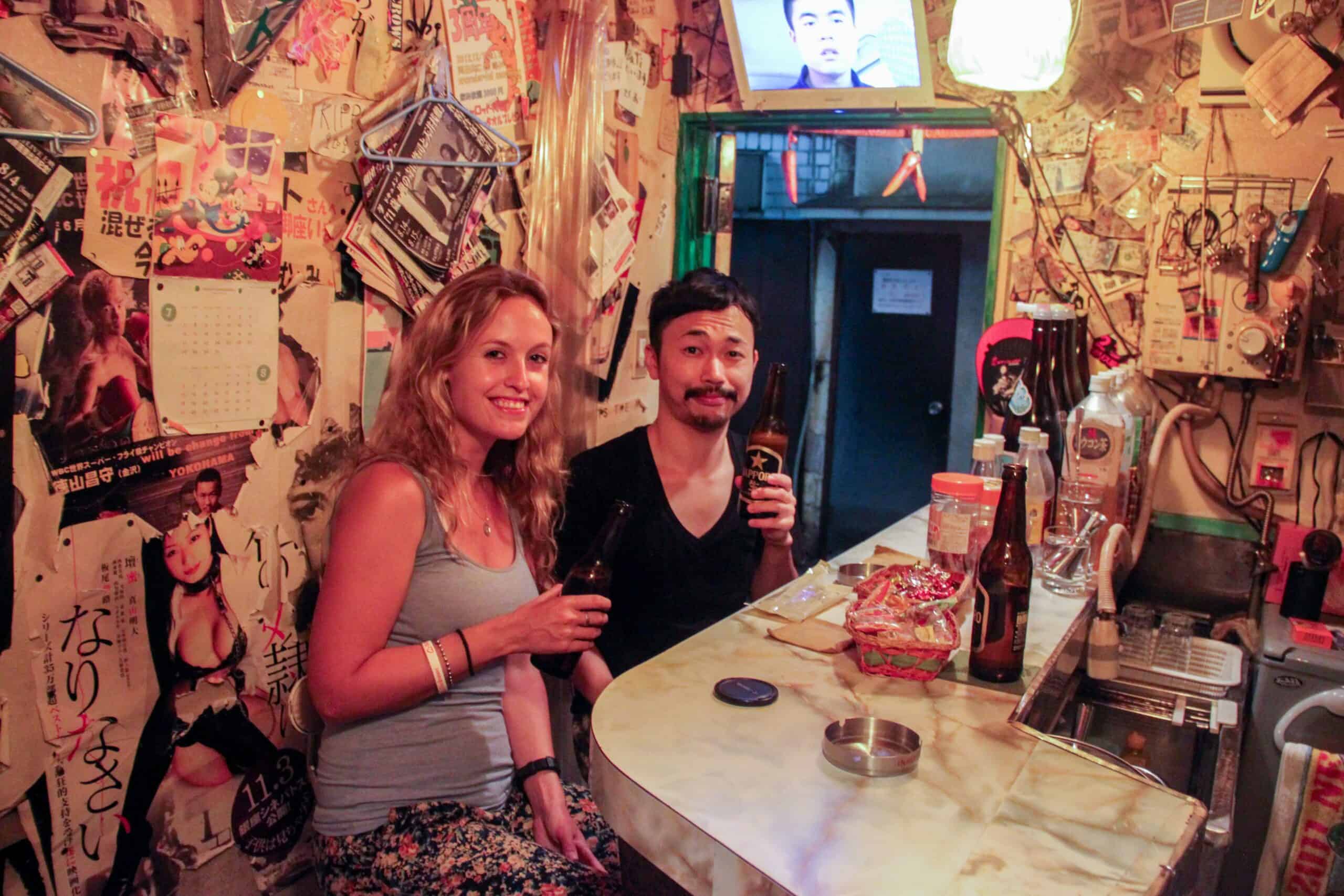
The Shinjuku Golden Gai of Tokyo is known for its small cosy bars at street level, packed down a compact area of narrow streets. These tiny alleyway bars are often eclectic, loud, filled with junk that could tell a lifetime of stories and are marked by neon lights. Some are even attached to the owner’s house. For a real, local experience, squeeze your way into a bar at Golden Gai and come away with some great stories.
The only downside is the high cover charge at most bars, but you don’t come across an experience like this very often, and if you look hard enough or ask nicely, the cover charge may be reduced or waived.
Dare to Enter Ear-splitting Pachinkos
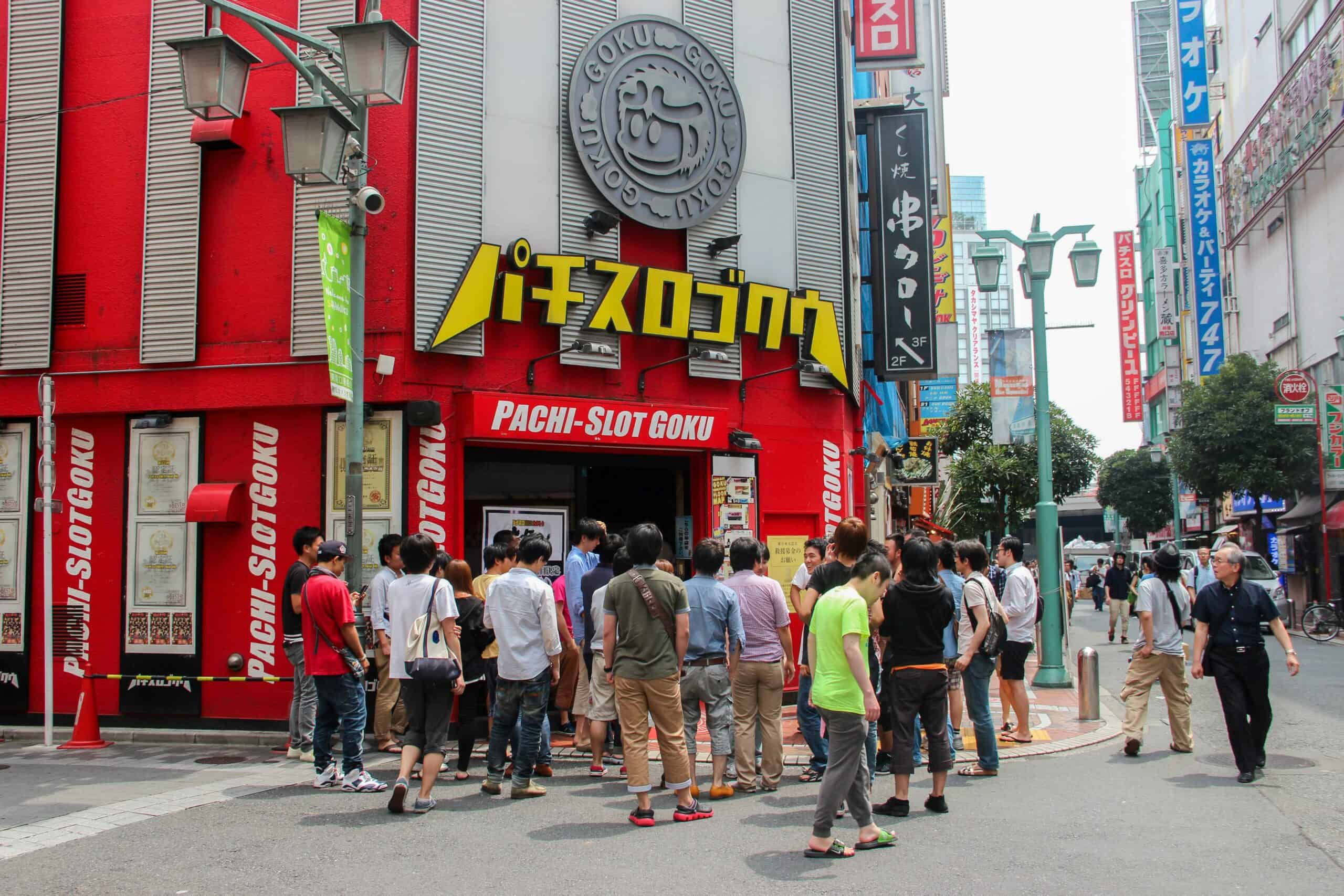
I’ve lost count of how many of these ground-vibrating, rackety and deafening arcades I walked by or wandered around in fascination. A Pachinko, as it is formally known, refers explicitly to the arcades that contain row upon row of the mechanical ‘slot’ machines unique to Japan. The noise is overwhelming, and you can’t help but stand there and be transfixed. It’s serious business, and the manager who wanders the isles will quickly usher you out for trying to take photos.
A Pachinko forever taints my love of British seaside arcades – which now pale in comparison.
There’s a Theme Park in Tokyo’s Centre
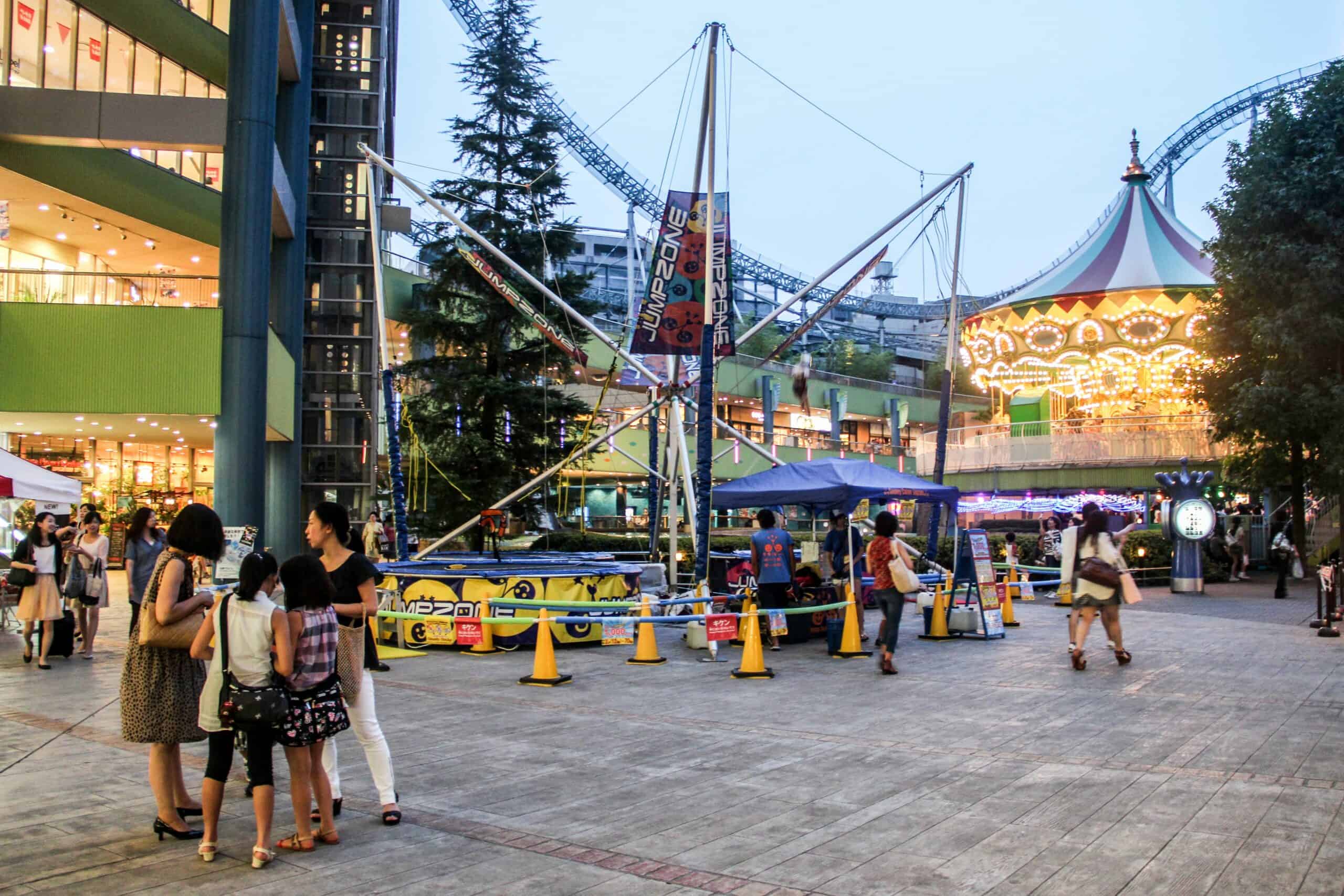
There I was, taking a stroll in my quiet neighbourhood in the northeast of Tokyo – close to the Kasuga metro. It’s the kind of place that has tiny restaurant buildings with small doors, a few shops, and a small business district you could easily pass by. Then from a distance, I saw twisting tracks of metal protruding from the top of an office tower, figuring it was a funky piece of architecture in this otherwise nondescript place – a roller coaster in the city.
It was the Tokyo Dome City complex – a stadium coupled with various attractions, rides, shops and food courts – at the end of the road – randomly, in a residential and business area. You have to travel miles for that kind of thing back home! I guess it’s something to do on the way home from work.
Accommodation is Practical in a Capsule
One of the many things synonymous with Japan, a Capsule hotel should be sampled, if only for one night. The small, boxed, rectangular spaces containing a simple mattress, TV, and a lockable storage box are stacked side by side, floor upon floor in an array of hotels across Tokyo (only a limited number have a female floor). Normally used by those who have had too much to drink and can’t return home, or for those who have missed the last train, you too often end up staying in one, not just for kicks, but for its intended purpose. Here’s my account of staying in a traditional capsule hotel.
Day Tours in Tokyo
Without one Tokyo description to describe it all, it’s a city best experienced in a multitude of ways. From architecture walks and food indulgence to cultural experiences and city views, there are plenty of ways to see Tokyo and get under the surface of its kaleidoscope of personas.
View and book attractions and activities in Tokyo.
Have you been to Tokyo? What else is there about the city that you think makes it so unique?