
Disclaimer: This post contains affiliate links to handpicked partners, including tours, gear and booking sites. If you click through or buy something via one of them, I may receive a small commission. This is at no extra cost to you and allows this site to keep running.
This climbing Kilimanjaro trek guide covers everything you need to successfully summit the highest mountain in Africa on the Lemosho Route.
Base Camp’s midnight black air is tinged with brisk cold, and the murmuring of unspoken nervousness turns into the sound of precisely paced footsteps on a dusky wall of a volcanic mastiff, decorated in a coil of headlamps. Climbing Kilimanjaro, an unpredictable and often unforgiving journey through the elements, comes down to this singular, extraordinary moment in time – reaching the highest point on the African continent.
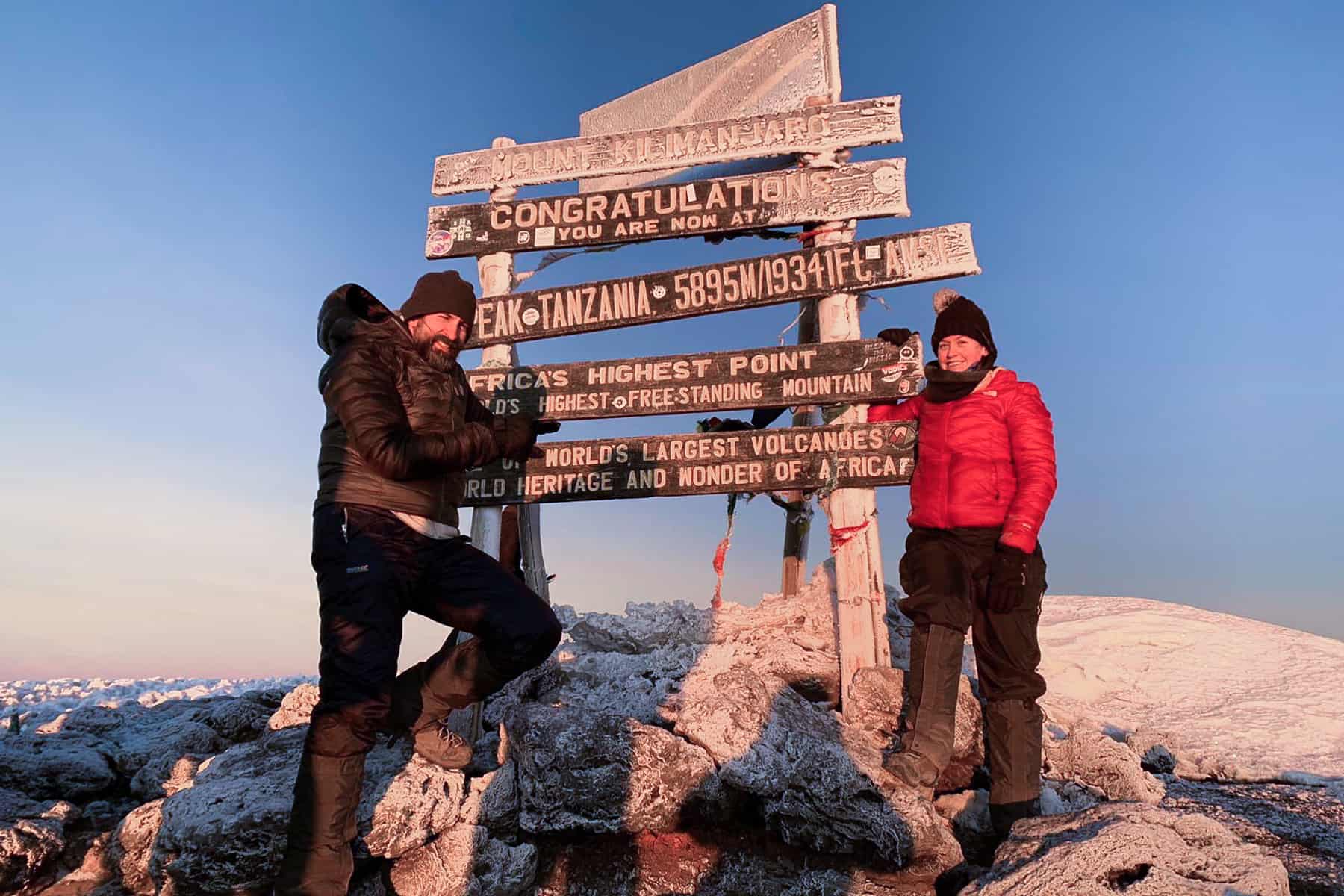
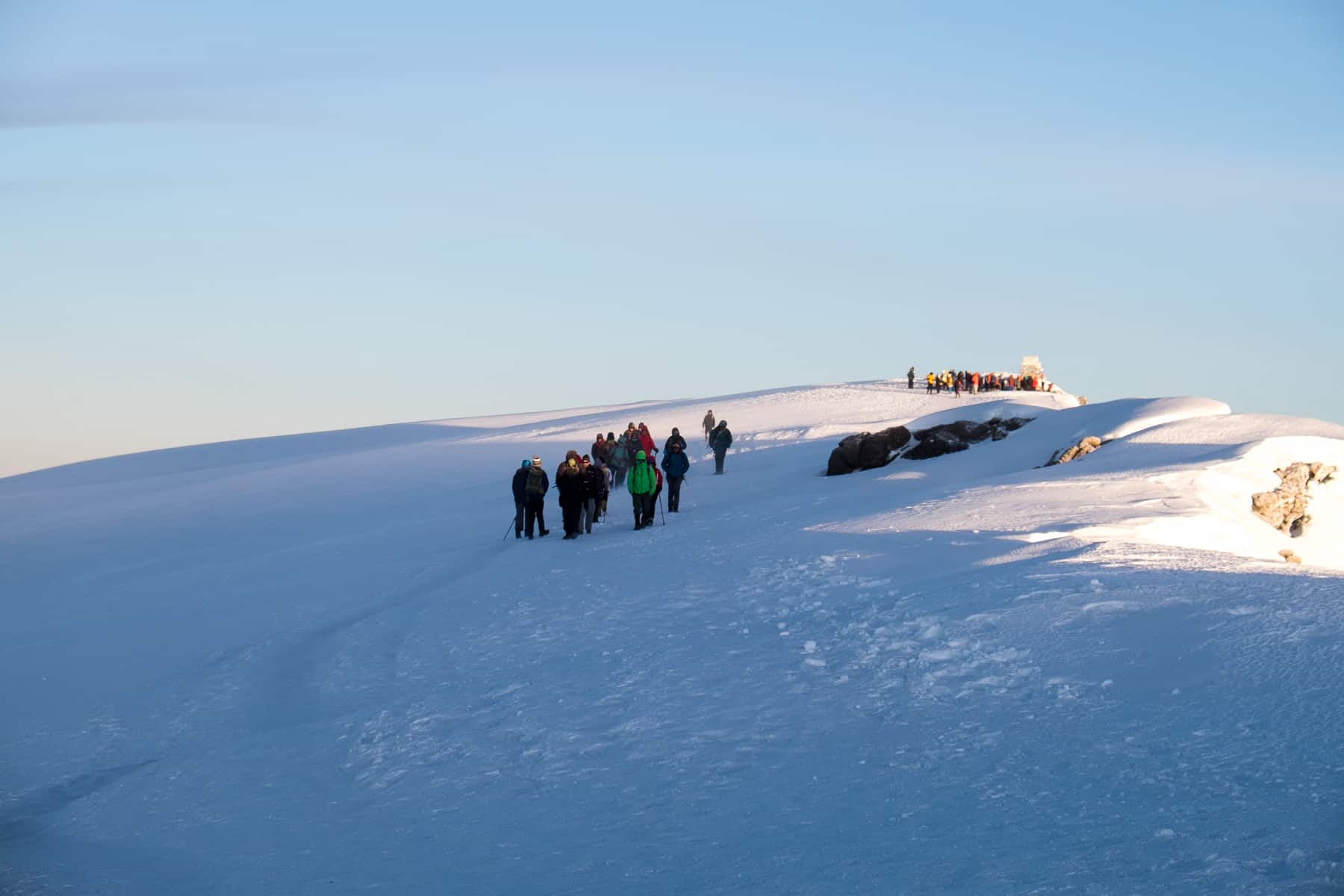
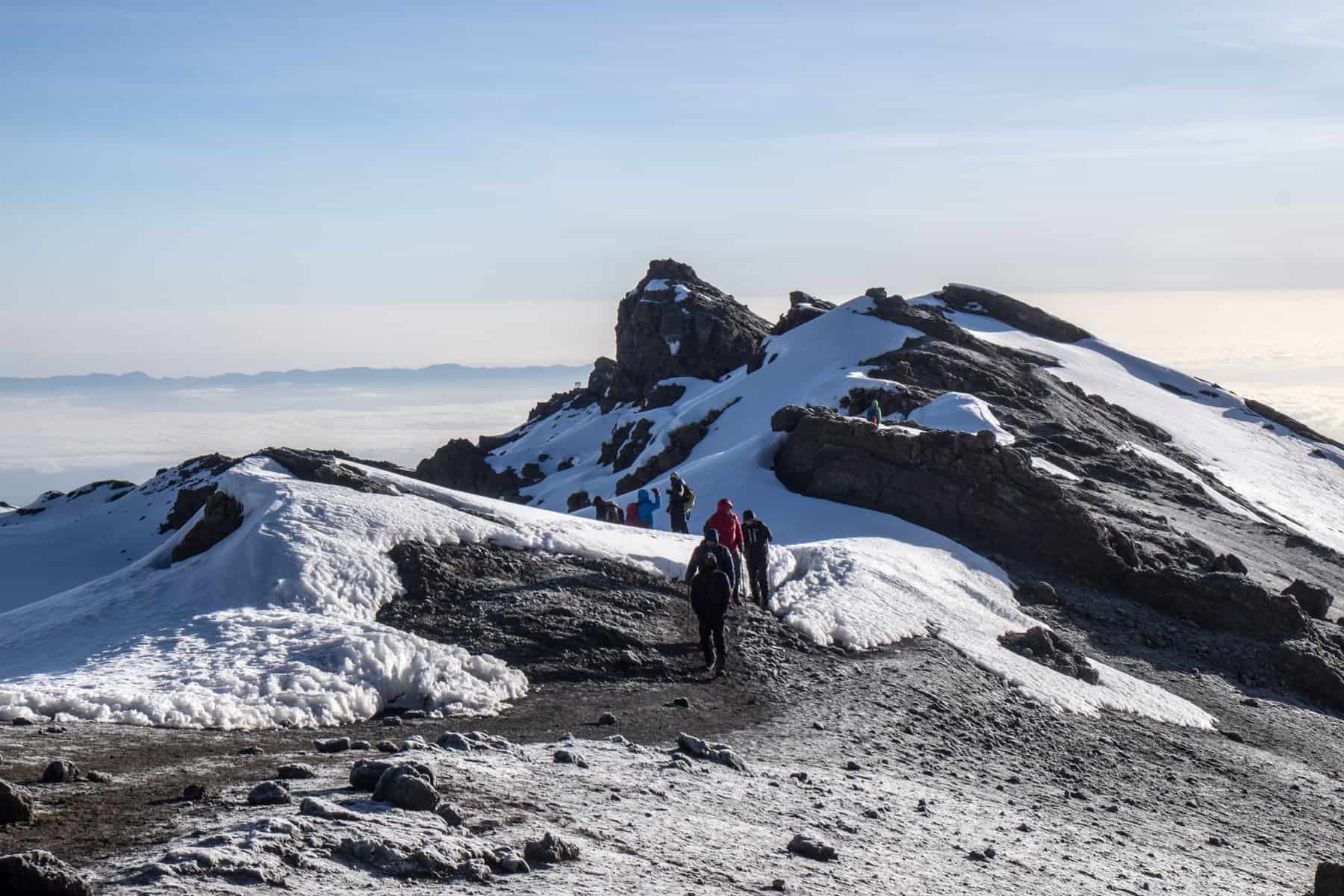
By 6:30 am, we emerge onto a plateau lit by the yellowing blue of early dawn, filled with echoes of exhausted cheers, boots crunching on snow, and the whirl of treacherous icy winds. Uhuru Peak, where the famed wooden sign congratulatory places you at Kilimanjaro’s Summit, is a fuzzy blur through frosty tears.
We’ve trekked up the bouldering mastiff for seven tiresome hours, and sobbing is the natural release. I flit simultaneously between feeling painfully fatigued and speechlessly overjoyed – an incredible odyssey of emotions standing on the magnificent snow cone of the Kibo volcanic crater and looking out across the world.
The Honest Guide to Climbing Kilimanjaro
Mount Kilimanjaro is unsurpassable. Africa’s tallest mountain at 5,895 meters (19,340 feet) is Tanzania’s centrepiece and an icon of the continent. The proclaimed ‘Roof of Africa’ is the highest single freestanding mountain in the world and attracts those wanting to climb it, stand upon the great extremities of a dormant volcano and witness views extended from the sky.
There’s no denying the trek to Kilimanjaro is demanding work and an endurance test that is an equal sum of exhausting and euphoric.
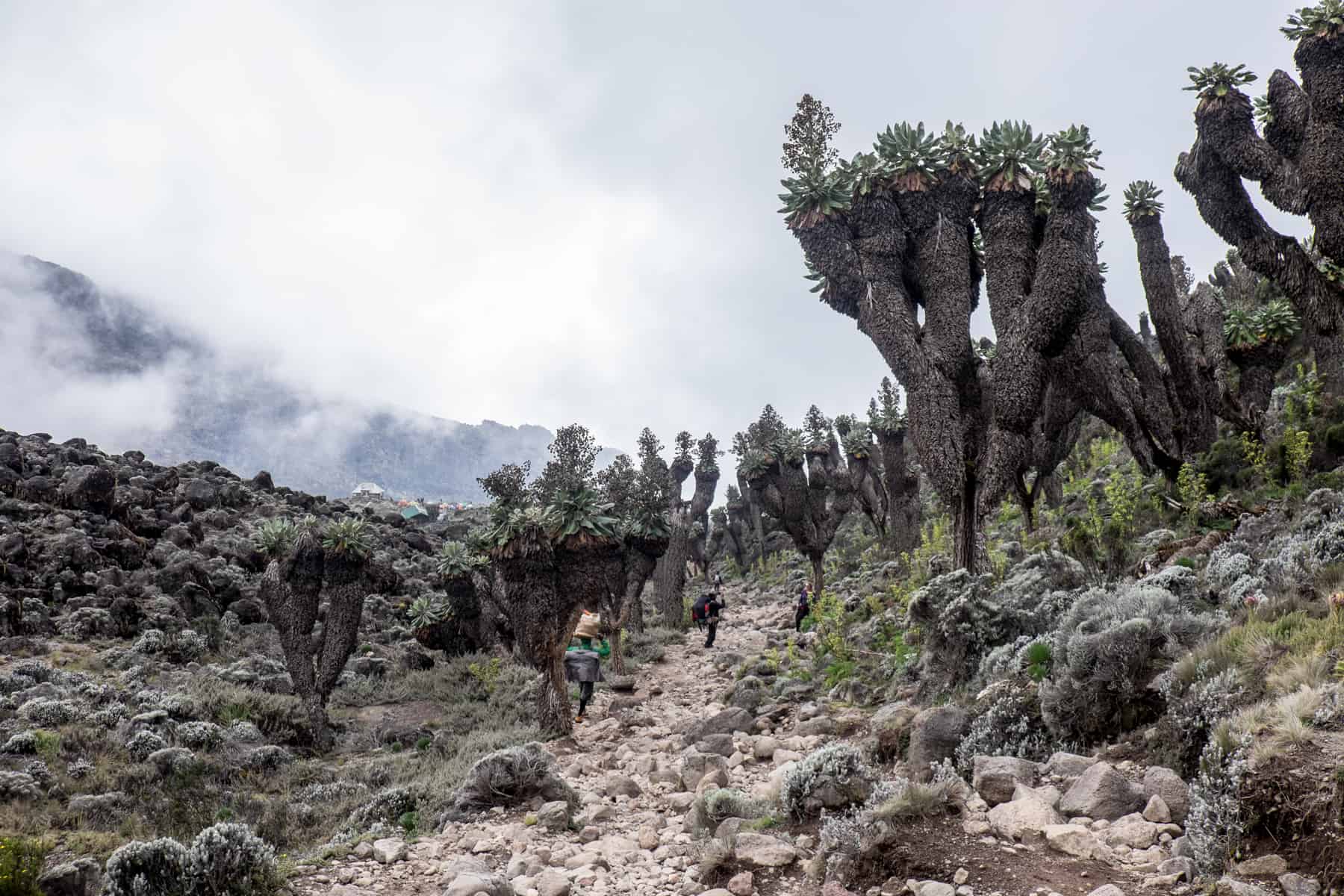
Each day of climbing Kilimanjaro takes you slowly through a layered, five-tier geographical system from warm, dense rainforest to wind-piercing, desolate rocky desert hinterland to the snow-bound, glacier-capped crater summit with bitter minus-degree chill.
Summit night is the most gruelling and painful thing you will likely ever undertake on a commercial climb, yet every slow step that bears the weight of your lagging body is one closer to the goal and disappears as soon as you reach that famed board on the peak of the crater top. Agony fades in minutes, replaced by the awe and accomplishment it brings.
The Kilimanjaro trek is one that is only fully understood once completed – some aspects of the participation can never be so accurately put into words. With the right planning and a responsible team, the overall experience is achievable and turns an inconceivable life goal into a lifelong memory.
I’m here to ensure you have everything you need in this mammoth Kilimanjaro guide, following my journey on the Lemosho Route. All things to thoroughly plan your trip, manage your expectations, calm your nerves and get you ready to complete your biggest and greatest adventure, but with an honest dose of caution and reality.
READ MORE: Trekking 8 Days on the Kilimanjaro Lemosho Route
Trekking Kilimanjaro – Technical Questions Answered
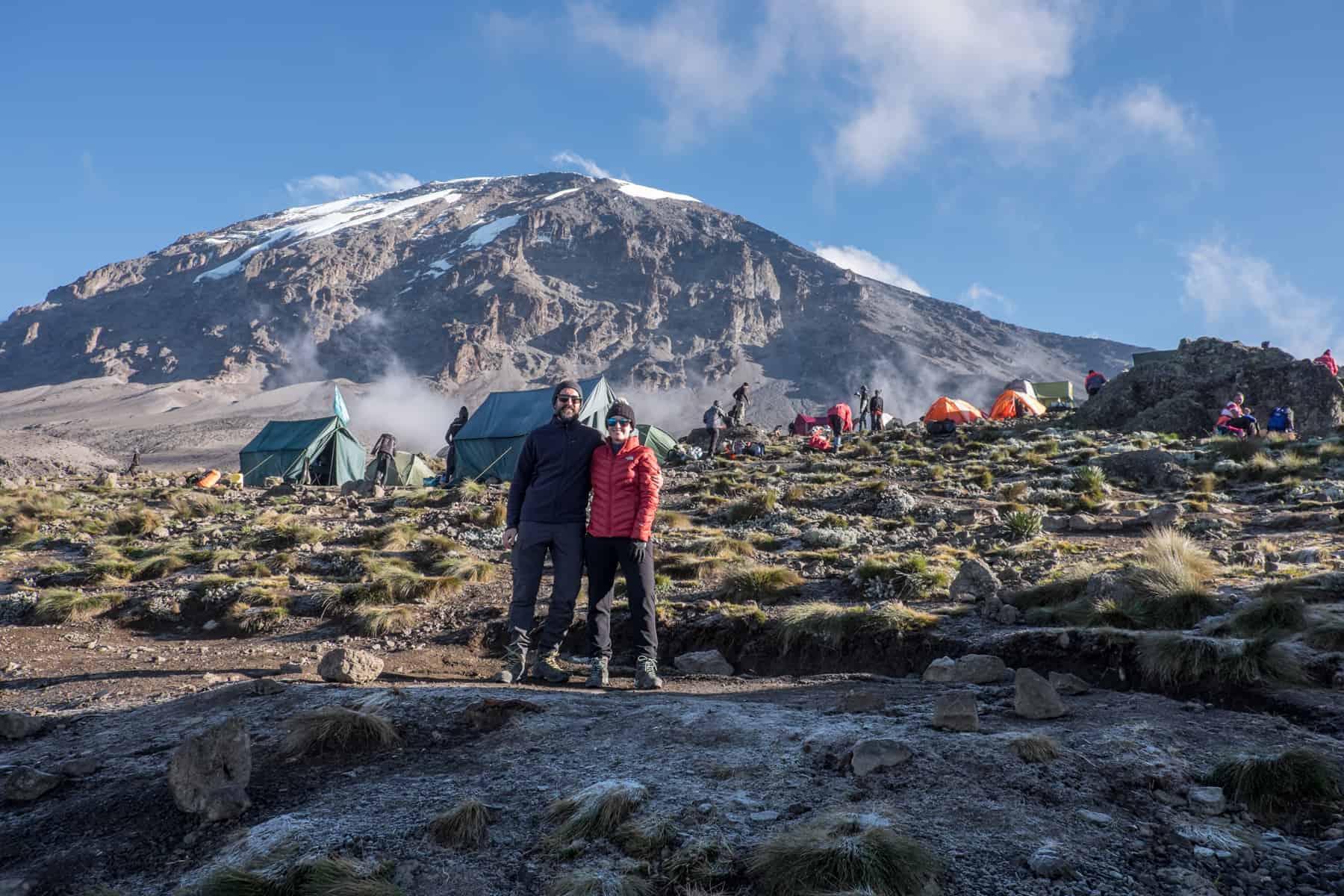
Many questions dominate your mind before deciding on climbing Mount Kilimanjaro, and that’s normal. Safety should come first, along with understanding the reality of the undertaking so you can prepare appropriately. Ego has no place on this mountain.
How Difficult Is the Kilimanjaro Trek?
Climbing Mt Kilimanjaro is difficult and requires a reasonable degree of physical fitness, like any multi-day hike at altitude. It helps if you have hiked before and have trained beforehand, especially to build some stamina.
Despite a high, rocky wall climb and steep sections, no technical climbing skills are needed, such as ropes, harnesses and crampons.
Kilimanjaro is an intense, demanding expedition set at a disciplined pace rather than a gentle ramble through a national park.
Everyone in my group found different days difficult, and what is a breeze for one is the worst day for another. Overall, each day is more physically exhausting because of altitude than distance, and you have no control over how your body decides to handle a particular trail that day.
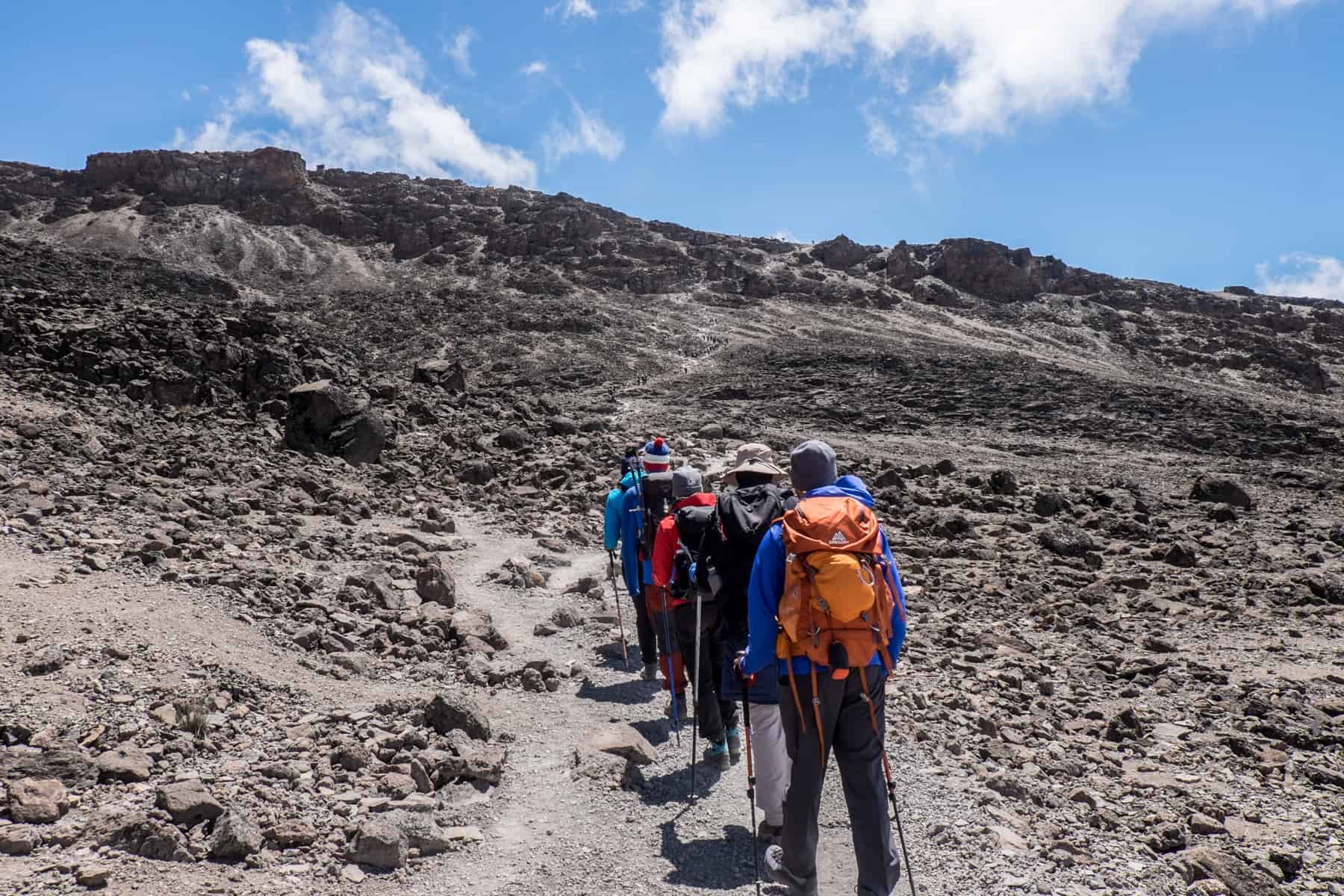
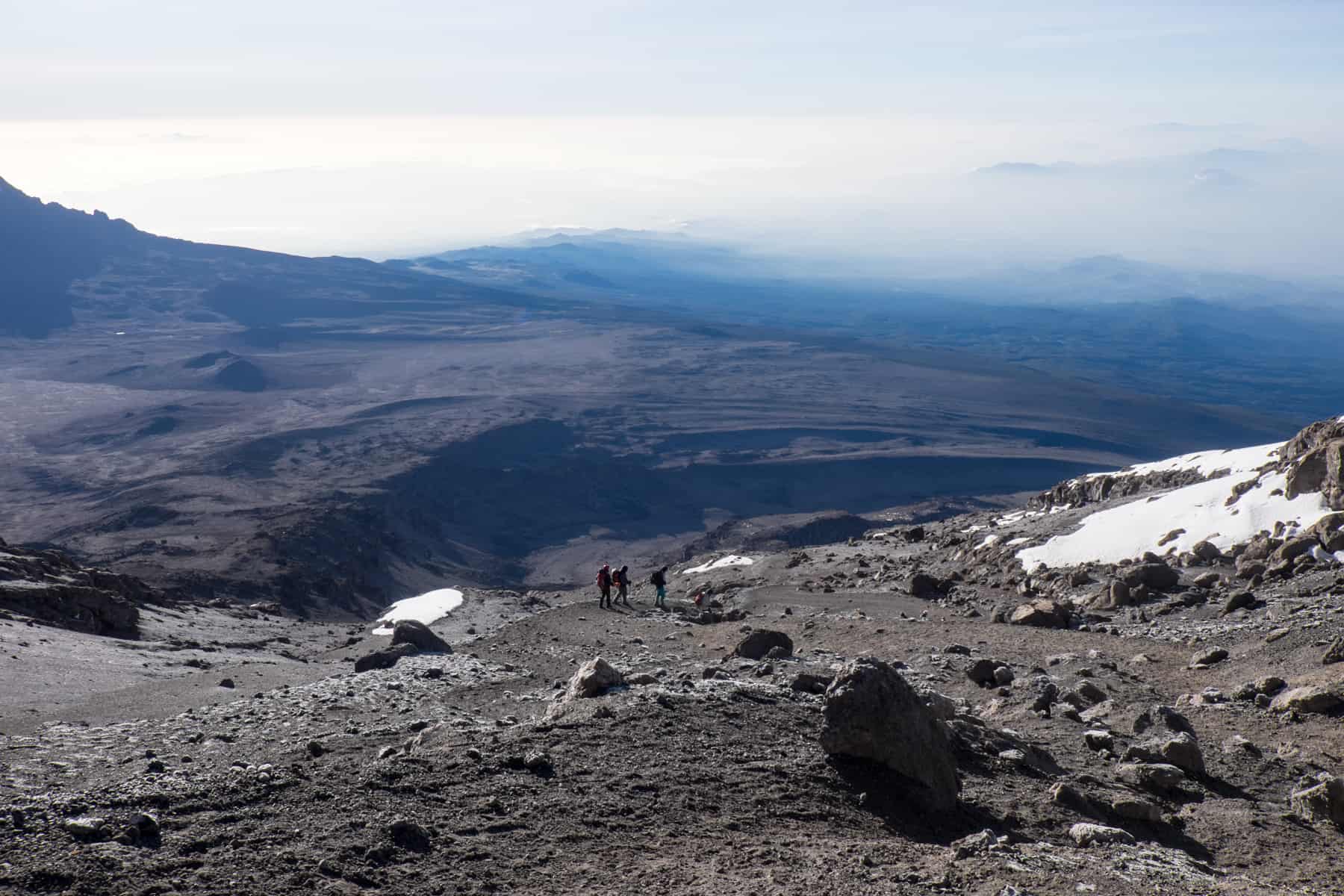
Summit night on Kilimanjaro is tough and incomparable to anything I have ever undertaken. It was the most challenging, gruelling element of a trek I’ve ever experienced. A 1500m ascent that takes over six hours in darkness and potentially treacherous conditions, followed by a 3000m descent to a lower base camp at a safer altitude, ravages your body because you will be trekking for around 16 hours that day.
Anybody who says summit night and day is easy is lying, and it’s disingenuous not to be upfront about how wreaking that part of the trek is.
How Long Is the Kilimanjaro Hike?
Depending on your chosen route, it can take six to nine days to climb Kilimanjaro, from the starting gate to leaving the national park.
Tackling this climb any quicker should be avoided – treks are precisely paced and planned over more extended periods for your safety in adjusting to the altitude, having plenty of rest, and being able to climb and then sleep at lower levels.
How High Is Kilimanjaro & How Much of It Do You Climb?
Kilimanjaro’s Uhuru summit – your ultimate goal – stands at 5,895 meters. At its lowest level, Moshi is 700m above sea level.
A small bus dedicated to your trek team and your gear drops you off at Londorosi Gate at 2250m to sign in before transporting you to your starting gate. From the start gate to Summit, you climb the entire way.
I started at Lemosho Gate (for the start of the Lemosho Route) at 2100m, taking seven days to safely climb a difference in altitude of around 3,795m.
When Is the Best Time to Climb Kilimanjaro?
There are two windows deemed to be the best time to climb Mt. Kilimanjaro, which correspond to the driest months of the year and warmer temperatures:
- December to March
- June to October
The busiest times for trekking groups within those two windows are:
- January to February
- August to September
The wettest months are:
- April and May
- November
There is no particular ‘best month’. Friends who trekked two months before me in December faced rain every day yet lucked out with a gorgeously clear, blue-skied, sunny Summit. In February, I experienced daily trails in sunshine, light chill, and spontaneous showers, yet Summit was a treacherous and icy -20 degrees.
In short, even in the dry season window, you are more or less guaranteed to experience all four seasons trekking to Summit.
How Cold Can It Get on Kilimanjaro?
The mountain, with its five different geographical systems, means you’ll pass a full spectrum of humid tropics to minus temperatures, regardless of what time of the year you visit.
Nights are chilly and sometimes in the low minus figures, even if the day is relatively mild. The Uhuru Point Summit can get as bitter as -20 degrees. We experienced -10 degrees with a-10-degree wind chill at the very top.
How Dangerous Is Kilimanjaro?
There’s no denying trekking Kilimanjaro carries a certain streak of danger, since it is an extreme-altitude mountain trek. And while it’s not technical, its sheer height calls for serious precaution.
While ‘how many people die on Kilimanjaro?’ isn’t something to Google before you go, it does pay to know the low ratio of extreme cases compared with the overall number of people who trek.
Over 30,000 people trek Kilimanjaro every year. Of those, park reports cite around 1,000 evacuations from the mountain and an average of ten deaths, attributed to Acute Mountain Sickness (AMS), more commonly known as Altitude Sickness.
With the right trekking group and guides, they will monitor your health and wellbeing every step of the way, including bringing you down to a lower altitude quickly if you do get sick. You will soon notice when your guides are in high alert mode and how quickly they can detect changes in trekkers’ behaviour and feelings. They are your lifelines to a successful Summit.
Kilimanjaro Routes – Which One to Choose?
There are seven ways to get up Kilimanjaro, passing through the five ecosystems from forest to moorland, alpine desert, and rocky hinterland to ice glaciers and snow at the Summit.
You’ll hear most about four commercial Kilimanjaro routes, each with different levels of difficulty and comfort, acclimatisation options, and average success rates, depending on whether you want to hike in a shorter time or avoid the crowds.
- The Marangu Route is known as the “Coca-Cola Route” because it is the oldest and most trodden trail. It is also the only route to offer hut accommodation instead of camping.
- Days trekking: 5 days
- The Machame Route is a six-day circuit affectionately known as the “Whiskey Route” because it’s a tough challenge, while also giving a better window of time for acclimatisation by hiking to high altitudes and sleeping low.
- Days trekking: 6 days
- The Lemosho Route is considered one of the most beautiful trails, with fewer people and a higher success rate of reaching the summit due to better altitude acclimatisation.
- Days trekking: 8 days
- The Rongai Route begins on the side of Kilimanjaro close to the Kenyan border and descends via the Marangu Route. Considered to be the most remote and gentle in its ascent, it’s also the only Kili route where you get to camp beside the only lake on the mountain.
- Days trekking: 6 days
Looking for a comprehensive overview of which route to choose?
READ MORE: How to Choose the Best Kilimanjaro Route
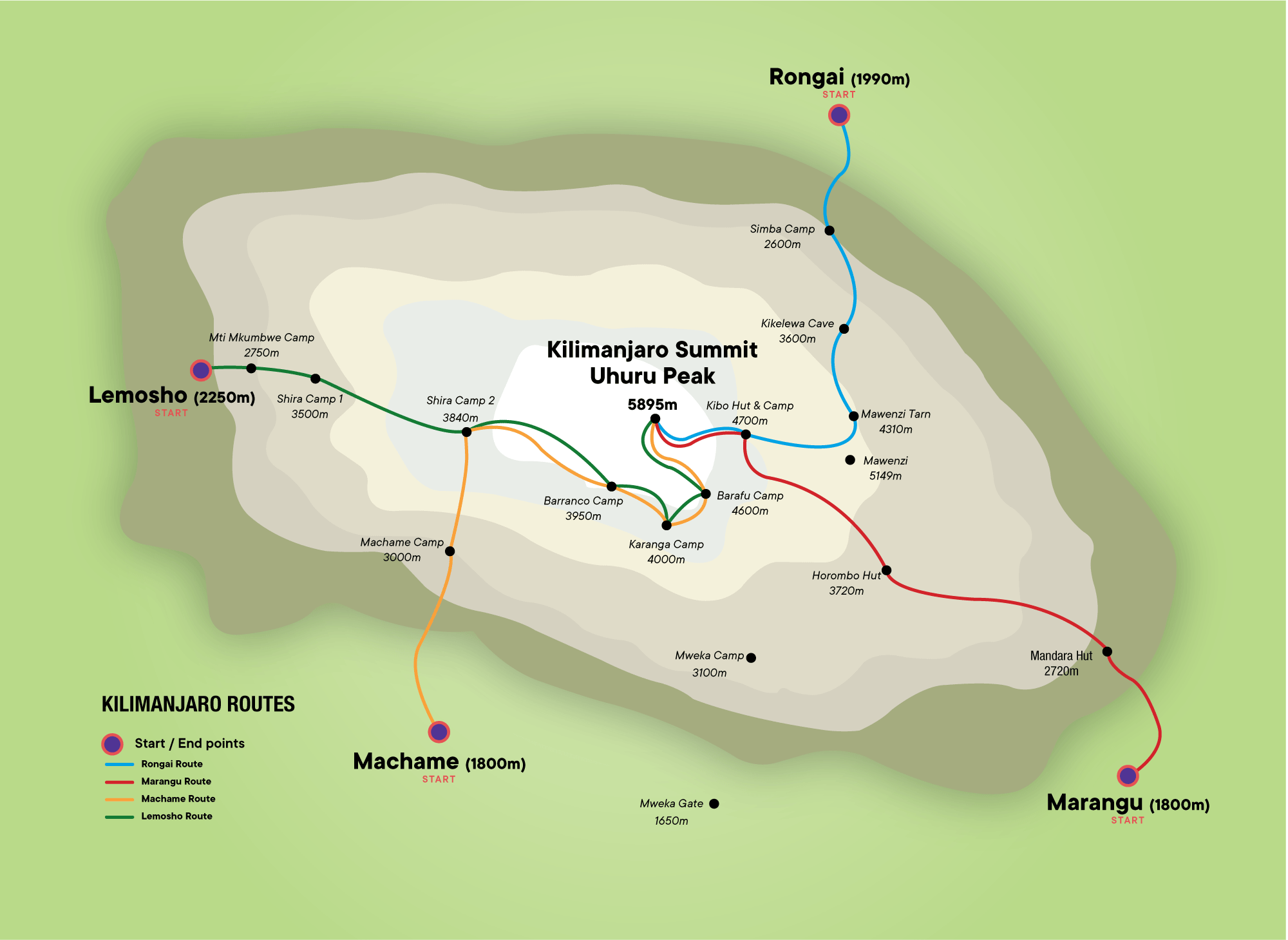
What Is the Easiest Route up Kilimanjaro?
I would choose between Machame, as it is the most set and practised route, and Lemosho because of the extra time for acclimatisation, which is essential for summit success.
Choosing a Kilimanjaro Trek Tour
Now you have a better idea of which route you want to take, the next most crucial decision is with which tour operator to book your trek. With dozens of companies running variations of Kilimanjaro treks, it can be overwhelming.
Here are some questions you should be asking and what kinds of things you need to research and know before making your final choice.
Ethical Treatment of Guides and Porters
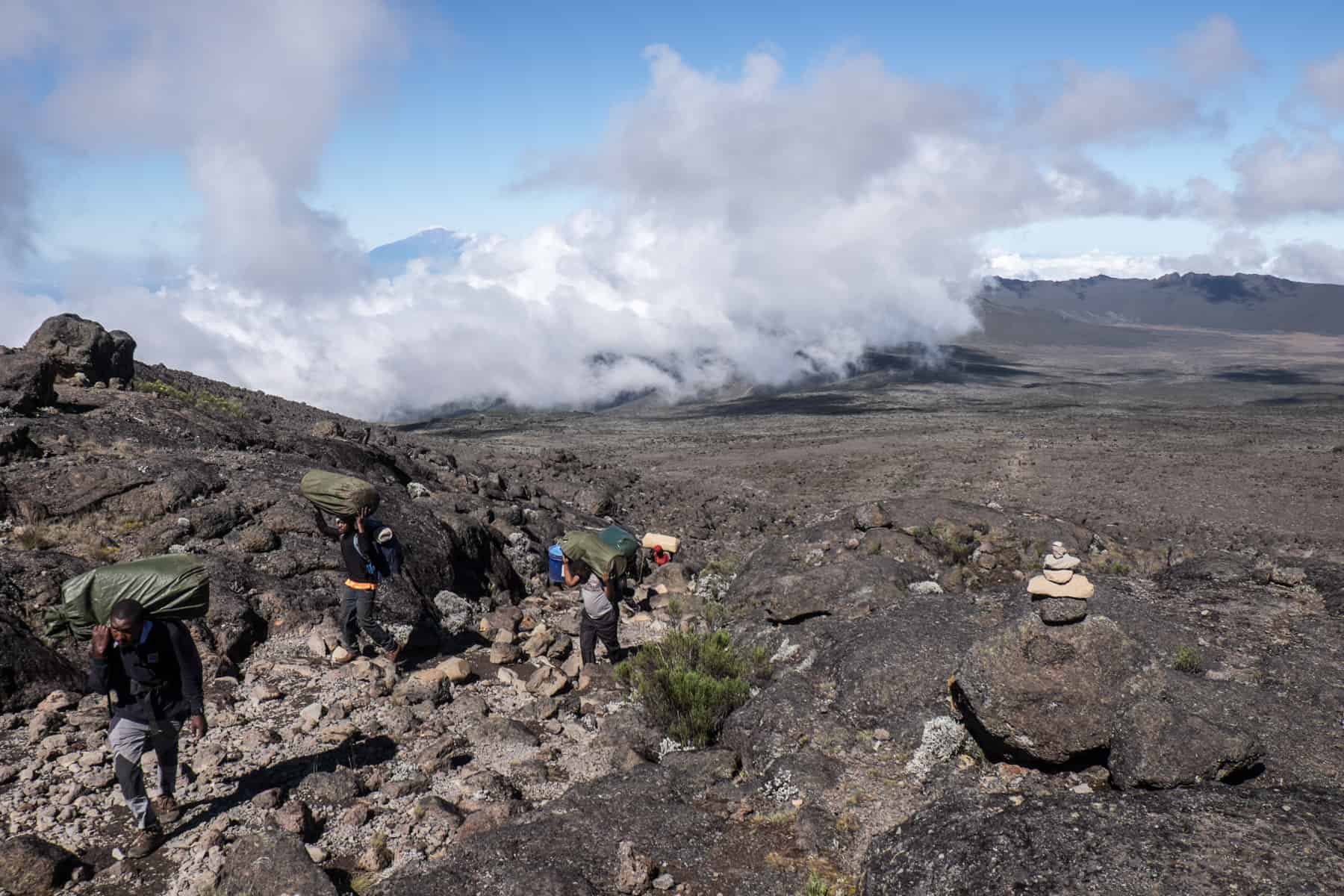
Choosing a company with the right ethical approach to the work practices, conditions and well-being of its guides and porters is paramount. Are they paid well? Are they able to climb with proper footwear and clothing? Are there enough porters for the size of the group, or are they being made to carry more than they should?
You’ll see plenty of porters without decent gear or pushed physically beyond healthy means. Many trekkers donate some of their equipment and clothing to the porters after the trip. Make sure your tourism dollars contribute to a decent wage and fair treatment. These guys are absolute warriors.
Experience and Success Rates
Your success at getting to Summit isn’t only about your physical fitness and your luck with how altitude treats you.
It’s also about having a superb team with you who know how to read the mountain terrain and weather predictions and guide each day precisely.
It’s about a team that knows how to read every passenger and immediately notice any changes that could compromise their health and safety.
It’s about guides who are with you every step of the way and don’t trek ahead and leave you behind, which I saw many times in other groups we passed.
It’s about having someone watch out for you, one-on-one, during summit night, noting your every move and feeling to ensure you make it to the top.
A Low Price Doesn’t Always Equate to the Best Service
Booking a Kilimanjaro trek isn’t cheap, and there’s a reason for that. Hired guides and porters ensure your safety at the risk of their own lives and should be paid fairly; then there are the costs of transport, equipment, permits, food, and amenities.
Therefore, you must never compromise on the above things because of a lower price.
Is the equipment in good shape? Some lower-priced treks don’t have the best equipment, such as tents and tables, or a decent standard of food.
What is the size of the trekking group? Treks can be cheaper because of larger group sizes. Ideally, keep your group to 10-12 people so you receive proper care and attention.
Is anything extra included in the price of your tour? Check whether the cost includes a pre- and post-trek hotel stay.
Is the trekking time shorter? Mostly, lower prices are because tours claim to get you to the Summit quicker, where the recognised minimum time is short by one day. This reduction of time is a huge red flag and compromises essential acclimatisation days needed for your safety on the mountain.
Finding Responsible Kilimanjaro Trek Experts
Climbing Kilimanjaro Tours
I travelled with G Adventures because they are world-leading Kilimanjaro trek experts, with a consistently high summit success rate among the 1,500 trekkers who trek with them every year. Alongside a high success rate, you also know exactly how far your money goes in supporting locals in Tanzania.
Trekking group and the “G Fighters” team – How it worked
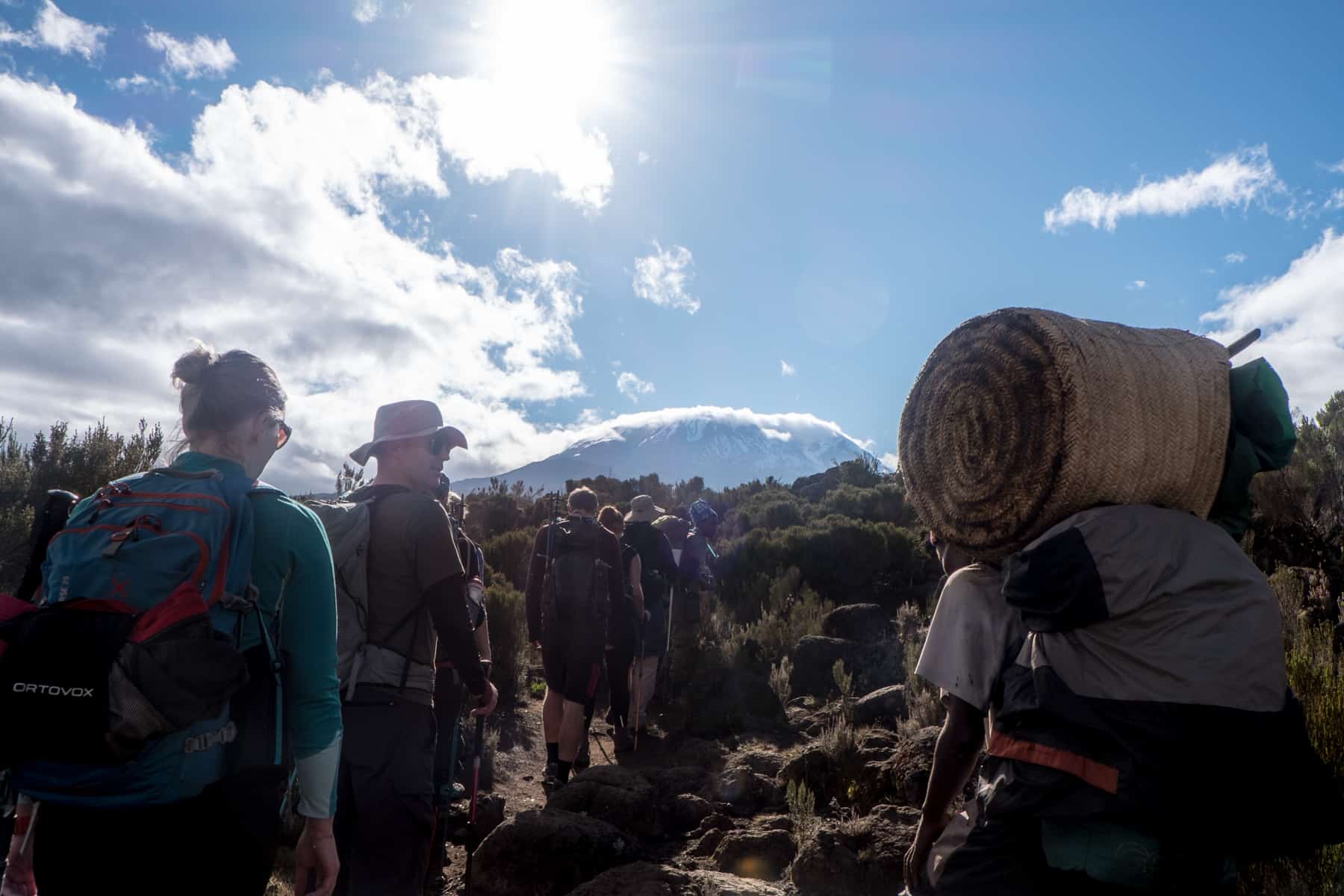
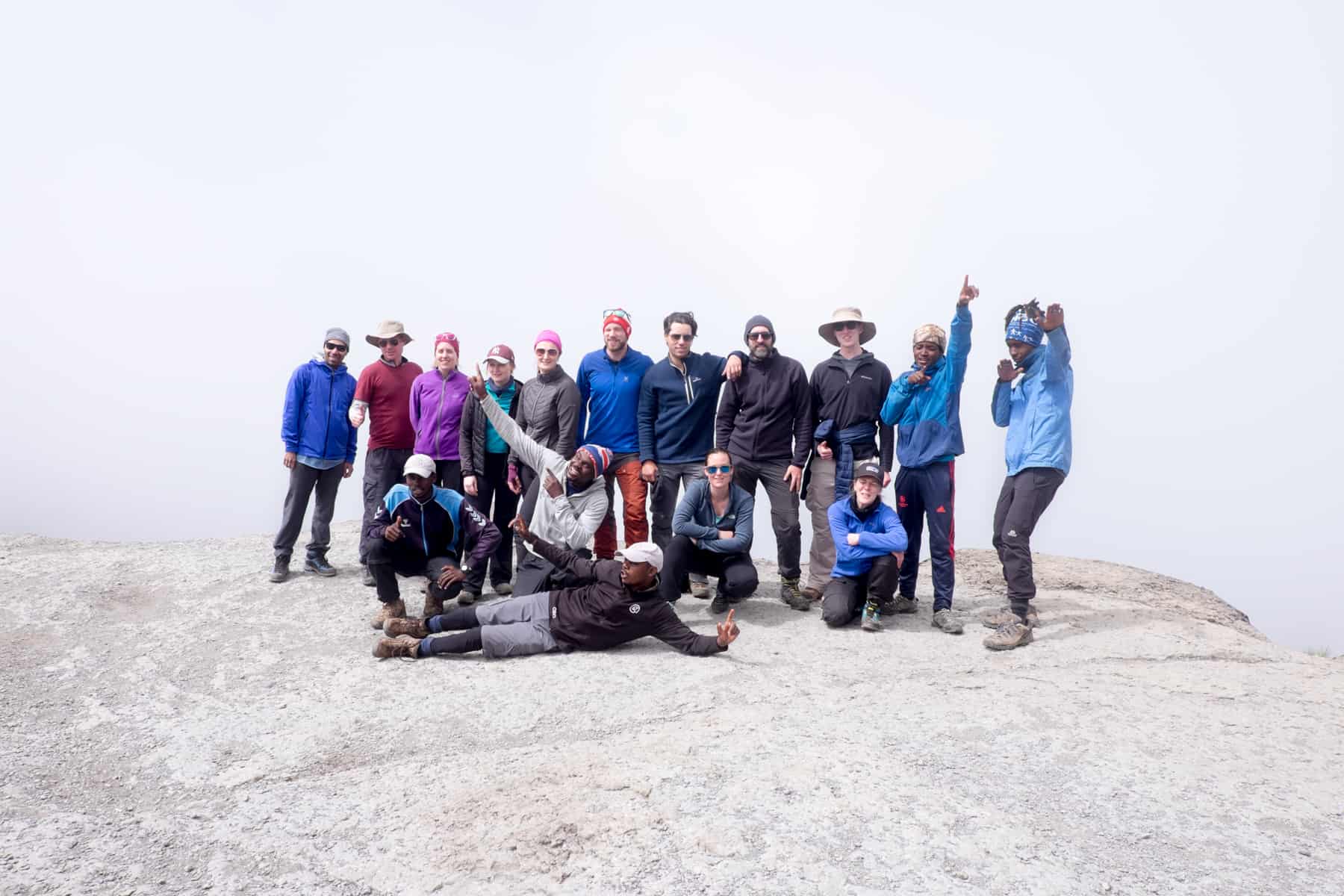
An outstanding team of 35 guides and porters accompanied the 11 trekkers in our group. Every day the ‘G Fighters’ (as is the affectionate name given to them) carried all our camping equipment, mess tents, food, water and a 10kg bag per person. It would have been 33, but with a unanimous agreement to hire a portable toilet for the duration of the trek at an extra cost, we were able to employ two extra porters.
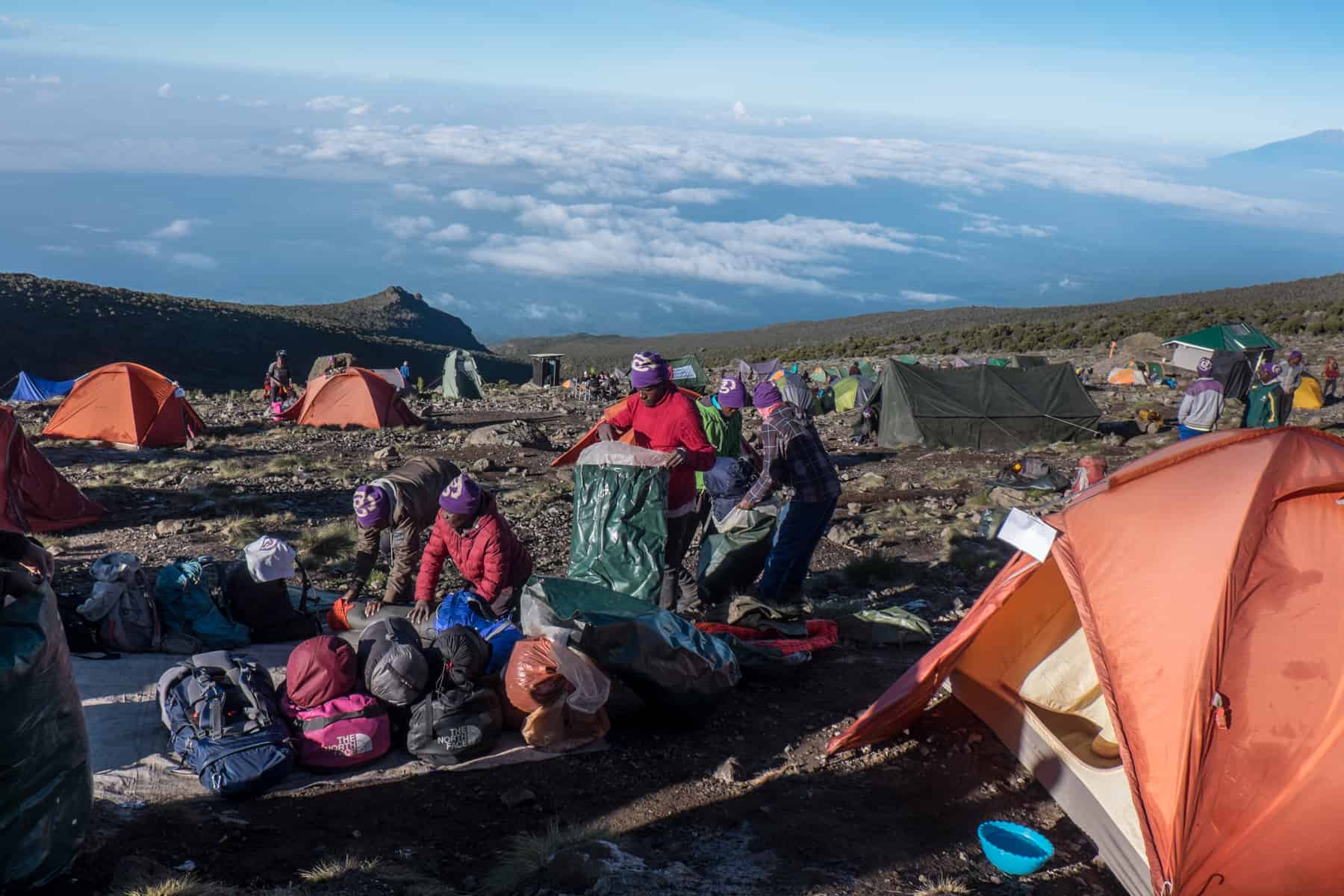
The porters are an invaluable part of your trek experience. By the time you leave camp, they’ve already packed it down. By the time you’ve reached the next camp, hours behind them, it is set up and waiting for you. Some would even walk back on the track to meet us, take our daypack if we were tired, and show us to our tents.
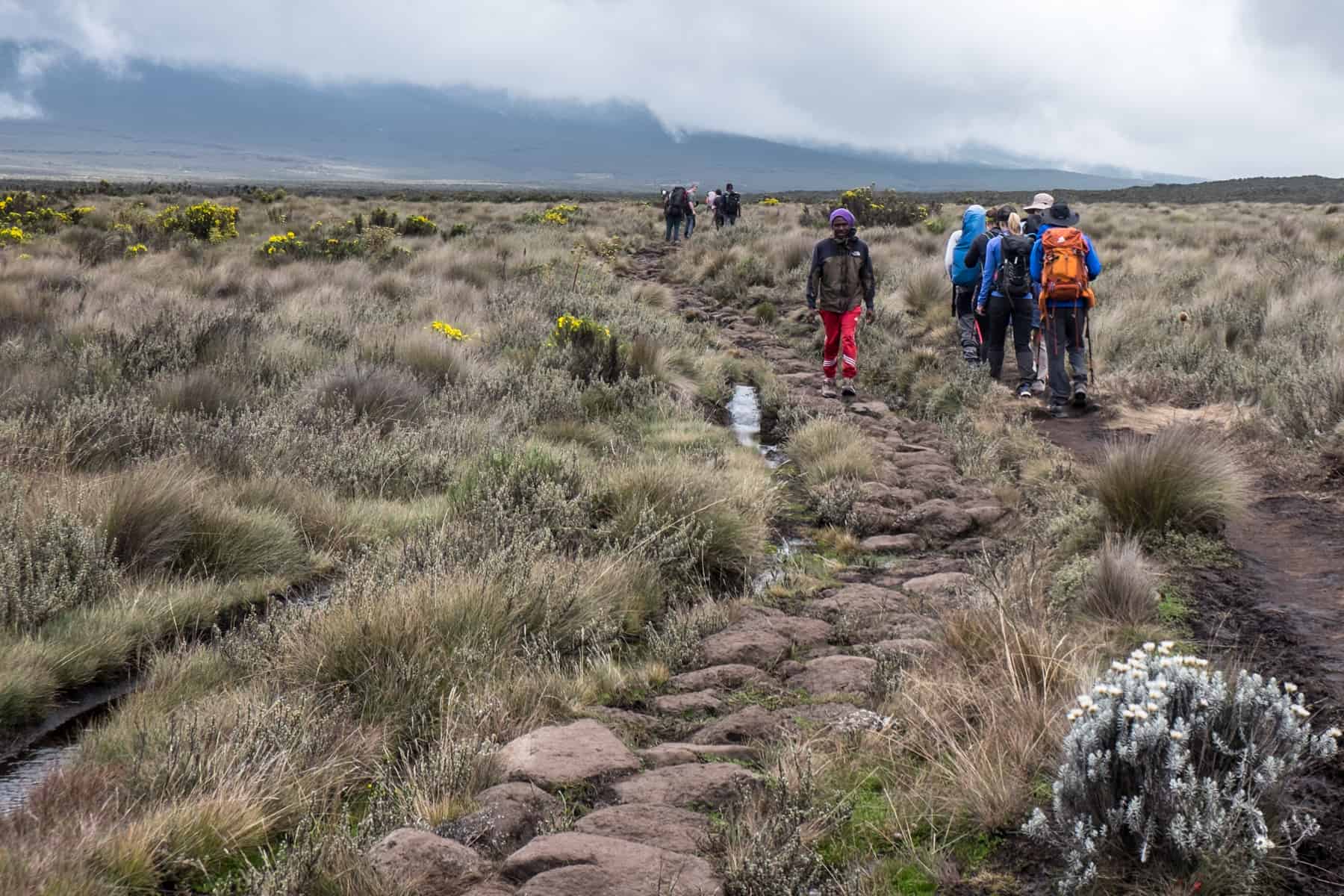
They brought us a hot drink and “washy washy” hot water every morning. Breakfast, lunch and dinner were hearty, well made, tasty and focused on maximum energy supply.
Incredibly, on Summit night, we were each paired with a guide or one of the most robust porters who would look out for us from start to finish in the return loop from Basecamp.
How Much Does It Cost to Climb Kilimanjaro?
Trek prices start from €2000-€2500 for the Marangu and Macheme routes. Since they are the shortest routes, they tend to be on the lower end of the cost scale.
The Lemosho trek will cost closer to €3000 because the tour is much longer, so more staff need to be on the ground and more essentials, such as food, are required.
The cost to trek Rongai is approximately €2400 – somewhere in the middle of the trek price spectrum.
Costs include Kilimanjaro National Park entry permit fees, camping permit fees, permit fees for porters, cooks, and guides, and hotel stays on either side. Most of your money pays the wages of your mighty expert team, although you should also tip them at the end of the trip.
Can You Climb Kilimanjaro Without a Guide?
To climb Kilimanjaro, you must be accompanied by a licensed guide and legally follow one of the set routes on the mountain.
This rule, administered by the Tanzanian government and Kilimanjaro National Park Authority, became mandatory in 1991 to protect the environment and yourself.
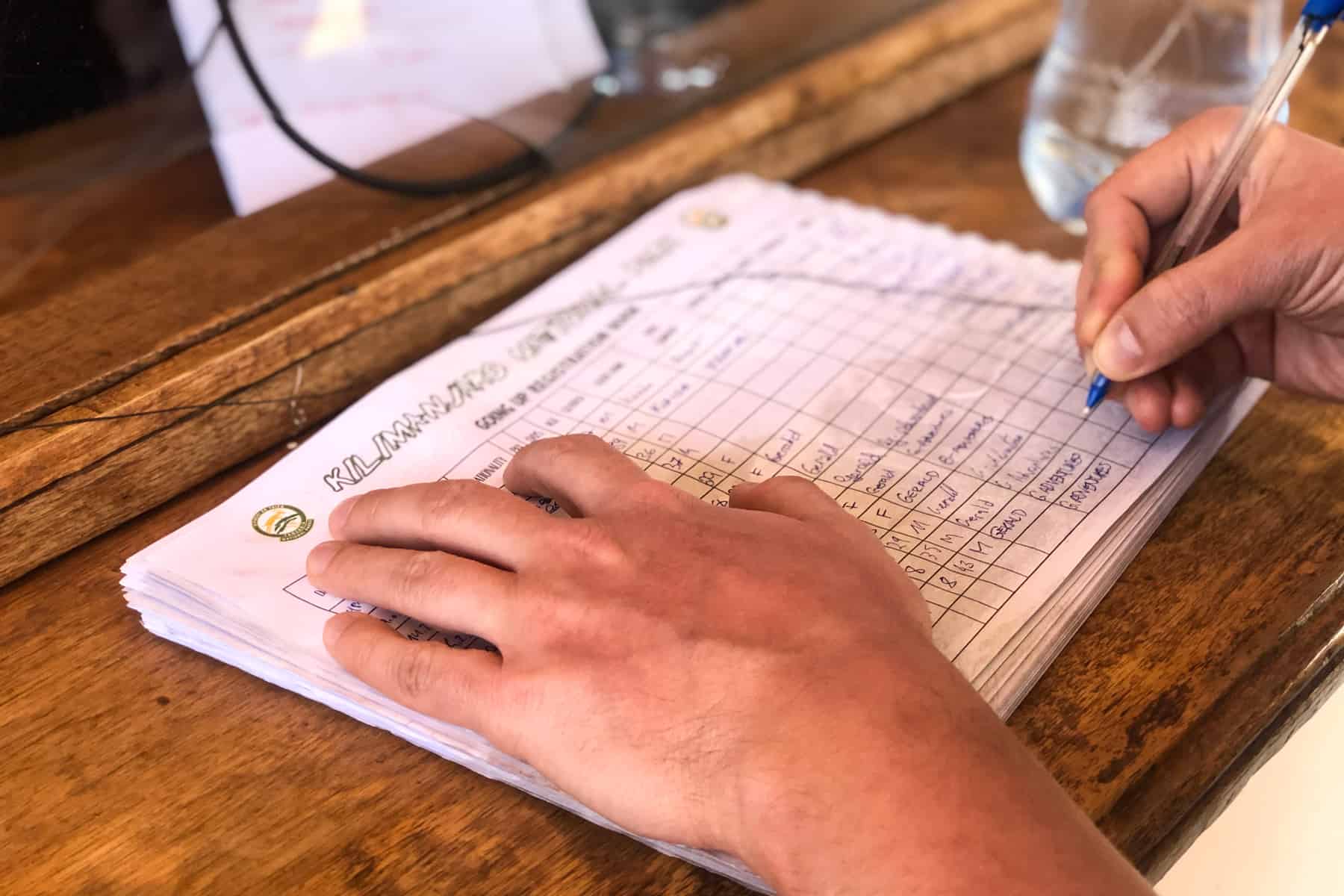
Don’t think you can skirt this either, as these rules are heavily enforced and monitored. At every camp, you will sign in and list your details, which includes the name of your guide and tour company. Everyone must sign in and out of the National Park with their trekking guides present.
Your entire team of guides and porters are essential to the success of your trek. If your ego is too big for this realisation, trekking Kilimanjaro isn’t for you.
Preparing and Training for Kilimanjaro
How Fit Do You Have to Be to Climb Kilimanjaro?
Some people join Kilimanjaro groups as first-time hikers but succeed because they are in good shape and have prepared. Success depends on your physical condition and how your body reacts to altitude (which is often unpredictable). It doesn’t depend on how many previous treks you have done.
How Much Training Do You Need for Kilimanjaro?
There’s no definitive answer, but many people train for 2-6 months before trekking Kilimanjaro.
Practice treks
We trained for two solid months here in Austria because we have more options for different trekking terrain, including steep hills and hours-long circuits with varying elevations. If you are in the UK, consider a long weekend of training somewhere like the Peak District or Lake District, with its pick of challenging but accessible mountain hikes.
Friends blocked out time to travel to various parts of their respective countries to tackle hikes in rugged terrain; in the UK, for example, they hiked Snowdon to get their bodies used to the feeling.
Other workouts
I also did at least two HITT workouts a week at home to build core strength and stamina, alongside the Yoga with Adriene ’30 Days of Yoga’ challenge, which helped with the control overall with my breathing with the altitudes of Kilimanjaro and the rhythmic pace of each day of trekking.
We also gave up alcohol for six weeks before starting the Kili trek, although this is not essential. It was a personal choice to be in the best shape possible.
Testing your gear
The trek training period is also the prime time to break in new hiking boots and test your gear, including waterproof layers, thermal layers and the weight of carrying water via hydration backpacks.
Packing for Kilimanjaro
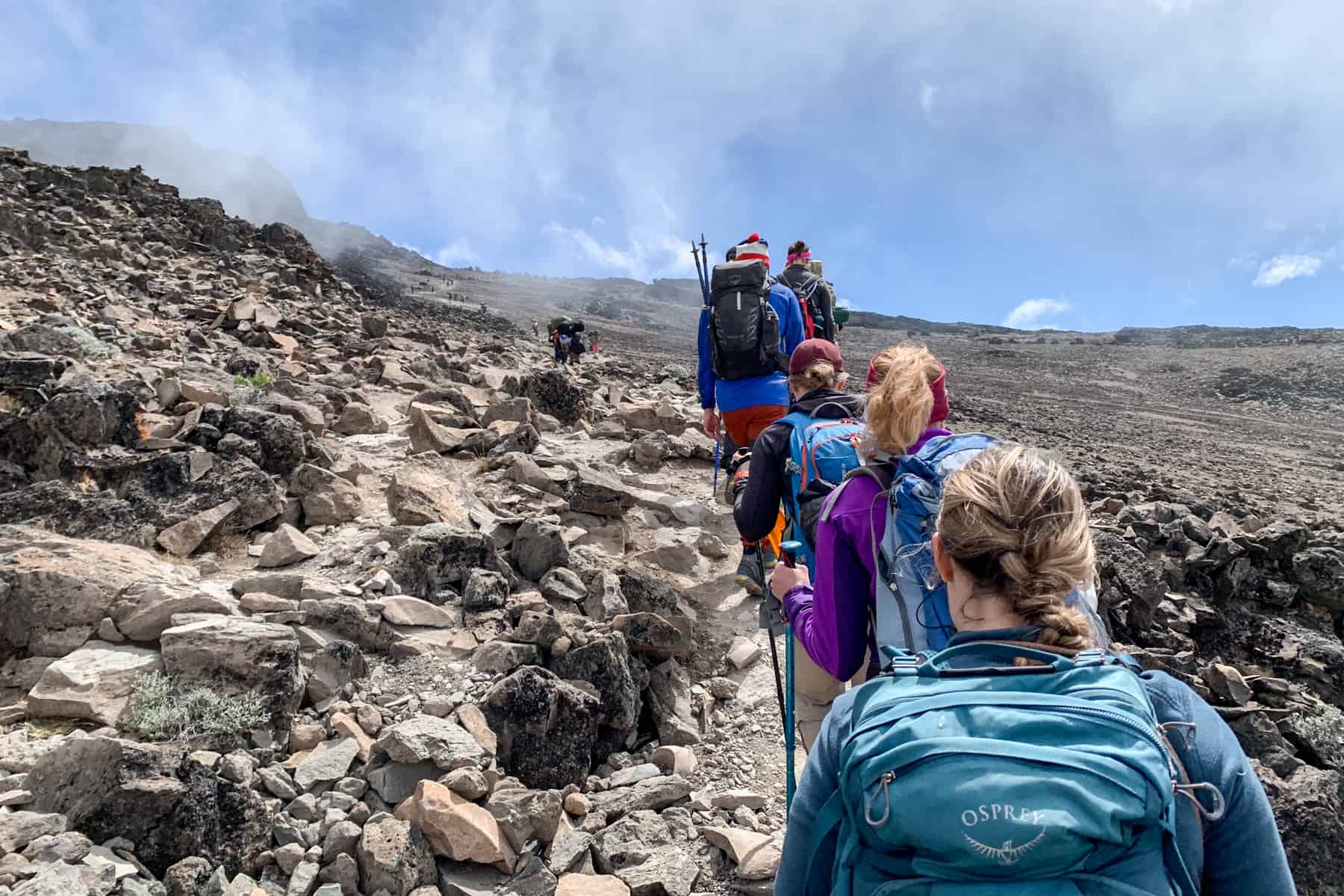
With a 15kg limit for the porter’s bag, plus the essentials you carry in a daypack, packing for Kilimanjaro can feel overwhelming.
My tried-and-tested list includes trekking and camping gear, from hiking shoes and clothing to essential accessories and electronics.
READ MORE: Kilimanjaro Packing List
Vaccinations and Malaria Prevention
There is no risk of malaria when climbing Kilimanjaro, since you typically won’t find mosquitoes above 2000m or so.
However, the risk is high on the ground in Moshi before and after the climb.
Therefore, it becomes a precise process of when to take your anti-malaria medication. You have to start taking it one or two days before entering the malaria area of Moshi, yet you don’t begin trekking Kilimanjaro until a day after arrival.
Whether you continue to take antimalarial pills beyond the first day of trekking and while on the mountain is a personal choice. We stopped and then restarted them on the last day we were coming down.
Give yourself at least two months to organise your vaccinations. You will need Hepatitis A and B, rabies, diphtheria, tetanus, polio, typhoid, and a yellow fever vaccination before travelling to Tanzania. These are usually administered over a few weeks if you haven’t had them before or need boosters.
Tanzania Visa
You’ll need a single-entry ‘Ordinary Visa’ (valid for three months upon entry) for Tanzania for your Kilimanjaro trip, and you can get it quickly online at the Official Tanzania Immigration Services Website. You need a valid passport (valid for at least six months), with at least one blank page for visa stamps on entry and exit.
An Ordinary Visa (Single Entry) costs $50. Applications can take up to 10 days to approve, so allow plenty of time in case of issues or if you need to resubmit your application. You will receive an e-mail with a User Identification Number from which you can keep track of the progress.
Get Travel Insurance That Includes Trekking
You must have a travel insurance policy that covers the usual elements like damage, in-patient medical treatment, and repatriation, but which also covers mountain ascents and rescue.
Check the fine print since many policies state a mountain pass limit, commonly “up to 2,500 metres” or “under 5,000m”. You may need a separate insurance policy or an activity/sports add-on, which includes trekking up to 6,000 metres.
For climbing Kilimanjaro, you will need an insurance policy that covers
- Treks up to the height of at least 6,000m.
- Mountain Rescue by Helicopter/helicopter evacuation.
How to Get to Kilimanjaro
To get to Kilimanjaro, you need to fly into Kilimanjaro International Airport (JRO), located right in the middle of the two towns of Moshi and Arusha.
Moshi is the town closest to Mount Kilimanjaro National Park and is a 50-minute drive from Kilimanjaro Airport. You can usually arrange a pick-up through your tour company, or book a taxi from your hotel.
It is a good idea to arrive early with plenty of time to rest before meeting your group. You will want to be present for the full briefing and last-minute preparations.
Kilimanjaro Trekking Tips
How Do You Prevent Altitude Sickness on Kilimanjaro?
There is no miracle cure for altitude sickness. In the worst case, it can be severe and result in death, but in most cases, it just makes you feel sick and lethargic and can cause pounding headaches.
Everyone reacts differently or unexpectedly, but there are some ways to help prevent altitude sickness on Kilimanjaro.
Go slow – Pole! Pole!
Taking slow, measured steps during the trek to Kilimanjaro is as important as staying hydrated to prevent altitude sickness. Trekking is not a race or an opportunity to show off your sporting prowess – altitude can cripple even the most athletic.
You’ll regularly hear the Tanzanian “Pole! Pole!” meaning slowly-slowly, and while it feels strange at first, that pace needs to become second nature so that you do not overexert yourself at higher climbs.
Drink plenty of water
Drinking a lot of water daily – around 2-3 litres – is essential. Each day, we were assigned an ideal amount of water to drink based on how many kilometres and hours we would be trekking.
Always Rest
You tend to leave each morning around 7 am and arrive at each camp in the early afternoon – and there is a reason for it. You need plenty of hours to rest, lie down and not overexert yourself at a higher altitude. What might feel like a long time to essentially “do nothing” is paramount for your overall success.
Daily health check-in
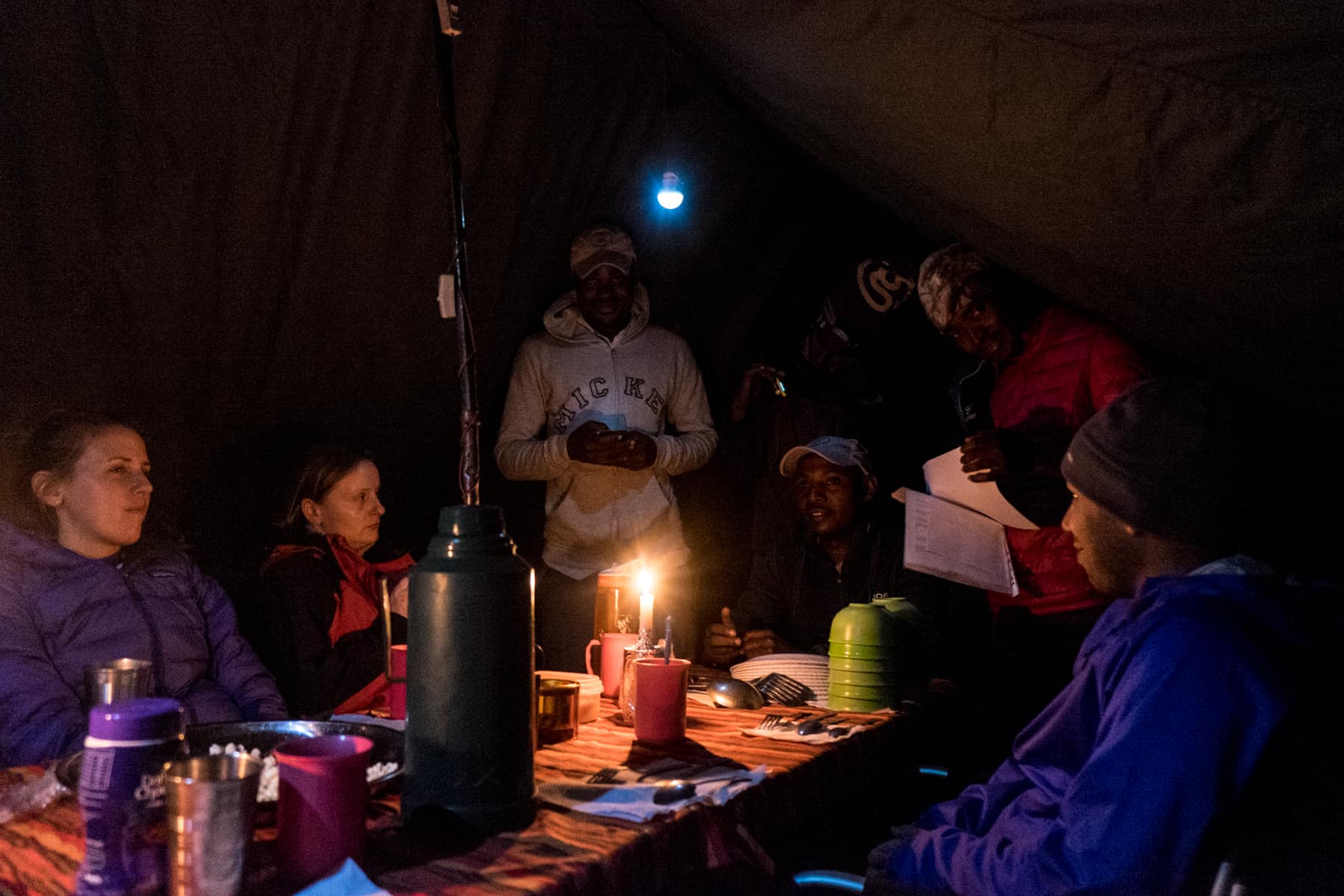
Every evening at dinner, we would go around the table and state how much we drank, how we felt and check our heart rate and oxygen levels with a finger pulse oximeter. Logging our vitals was a part of our daily health monitoring regarding progress or deterioration.
Try to eat, even if your appetite wanes
Another way to tell when altitude is affecting you is by your appetite. Your appetite will proportionately decline as altitude increases. However, it’s essential to try to eat what you can, even if the only thing you can stomach is chocolate for a little energy boost.
Your body needs everything it can to deal with the thinning air. Even getting dressed and putting your boots back on in the morning becomes more challenging, and you often feel like you have to pull your body with each step once you are higher up.
Garlic Tablets
I spent a long time reading about the benefits of garlic tablets for altitude sickness and tales of garlic soup on high-altitude climbs. While I wouldn’t say my daily Garlic tablet supplement ultimately saved me, Garlic does help thin the blood and increase oxygen levels in the body, so it might have helped.
Taking Diamox for Kilimanjaro
I chose not to take Diamox/acetazolamide when trekking to Everest Base Camp, although I did have to take some two days before getting to the base camp summit, or I wouldn’t have made it.
Since I am both a migraine sufferer and have a pre-existing condition – asthma – I have always tried to avoid altitude sickness drugs since they effectively mask effects and what your body is trying to tell you.
When planning the Kilimanjaro climb, I had an instinct to take Diamox. We both went to the doctor, talked through the options, and were given a prescription for two tablets, taken daily.
After chatting with our Kilimanjaro guides, we soon learnt that one tablet a day was enough – half a tablet in the morning and the other half in the evening. It meant not overloading our body with Diamox, and still retaining a greater sense of feeling.
It’s a very personal choice. Some people in my group, like us, took it the entire time; others took it halfway through the trek, while one woman chose not to take it at all and still made it to the Summit while feeling wretched.
I would advise bringing it and discussing your options with your guide. Have it for safekeeping in case you need it later.
Prepare Mentally for Mount Kilimanjaro
A trek of this magnitude isn’t just about physical fitness. The day-to-day realities can quickly overshadow the rosy, rainbow-filled picture of glorious hikes in mountainous lands.
With Kilimanjaro, camping can get to people, especially if you’ve never slept in a tent before.
When the nights get cold and uncomfortable, it can push anyone’s limits.
The stingingly cold weather and drenching rain can strip away your positivity since there’s no way to dry off.
The food can feel monotonous after a while, and even a craving for a comforting, wholesome meal can make you cranky.
Someone in your group might start grating on you more than you would otherwise notice, and in your single mess tent and small camping circle, it’s hard to escape.
In short, you must do everything you can to make yourself feel better.
Pump yourself up with positive thoughts before you begin. Calm your nerves and think only of the greatness of the journey. Know the beauty of nature and the glory of the climb with these pre-trek encouraging mountain quotes. Choose one and let it power you.
Approach each climb thinking of the spectacular endpoint. Know that every excruciating last step is worth it. Remember why you are doing this.
Be patient, and don’t expect instant gratification. The first few days may seem a little unstable, but you will soon form a routine, know what to expect, where your strengths lie and where to ask for help.
Know that having mixed emotions is ok. You’ll move from feeling fine and energised, to sad and moody, to bored and unhopeful, all in one day. It takes a lot of mental energy to pull yourself out of it.
Bring your favourite things for comfort. Bring a book for the hours-long rest; bring your favourite snacks and large bars of chocolate. Fill your phones with motivational playlists and downloaded movies.
Remove yourself from negativity and annoyance. Walk away from negative people, or do the simple thing and stand in a different part of the trek line from them.
Avoid asking, “how much longer?” or “are we nearly there yet?” We all did it, and the guides know how to word the answers to keep morale up. You are told the night before what the next day holds and the average timings. Overall, I found it helped not to wear a watch.
Rely on the camaraderie of the group. Whether through singing songs, forming in-jokes, having chats about life as you get to know one another, or playing cards in the evening, your group morale is invaluable for your mentality.
What Else to Expect When Climbing Kilimanjaro
Camping, Hygiene, Toilets and Water
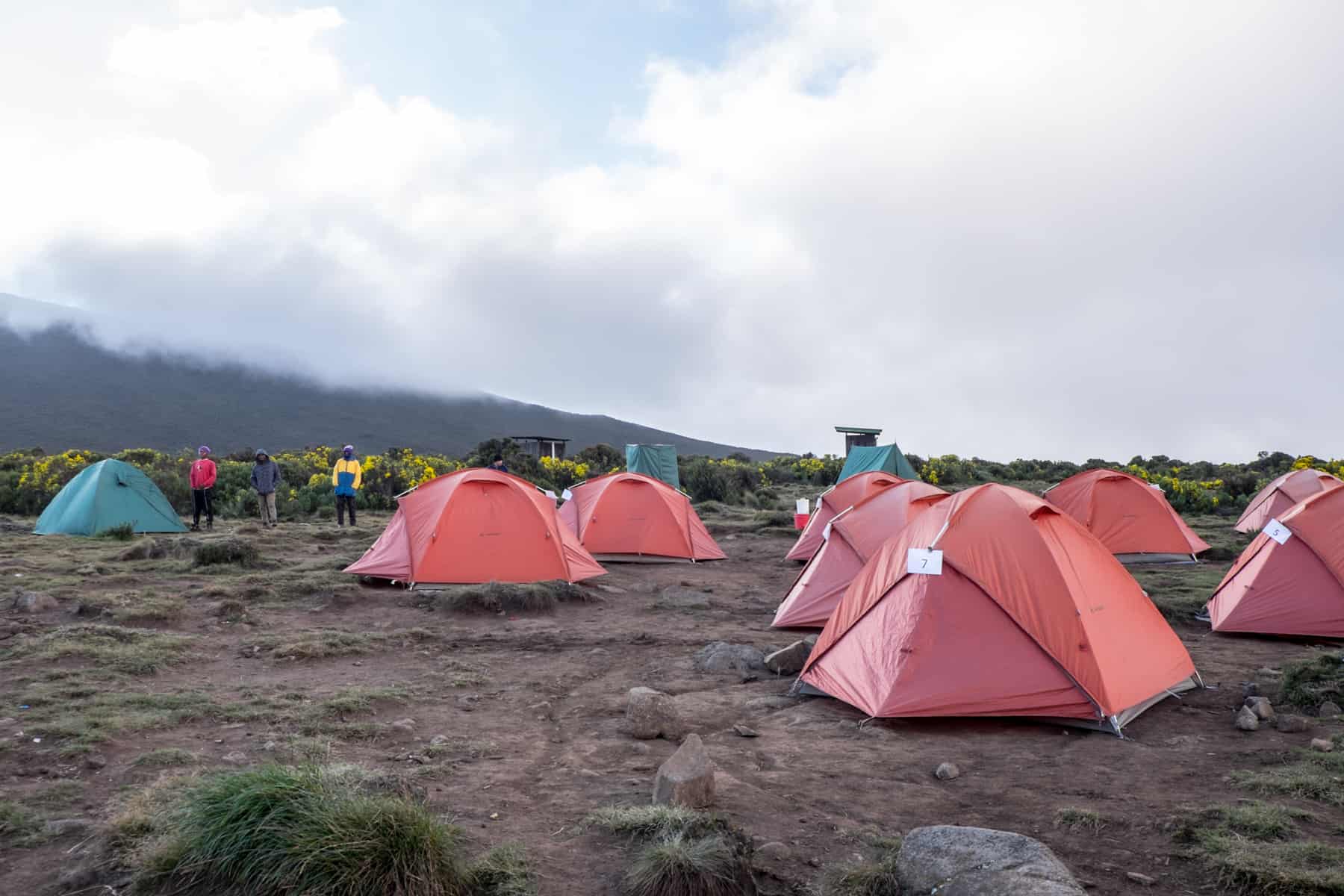
Camping can get tiresome and rough on Kilimanjaro, but it is also the main thing you need to get used to quickly. You camp with two-person tents assembled and disassembled by the porters.
Each tent has a number, so you use the same tent and padded sleeping mats for the entire trek duration. Overall, this ensures dedicated hygiene and peace of mind.
Get used to not showering until you return to the hotel for the most glorious cleanse of your life. You are given a bowl of hot water in the morning and evening for washing, and it’s worth bringing baby wipes and a microfibre towel to feel as clean as possible.
We paid to have two portable toilets for our group, which saved having to rely on the gross long-drops found at the camps – which can be quite a walk from your group camping spot. Paying extra for the toilet is worth it for the group’s overall morale and general comfort.
On the trek, there are no toilets, only nature, affectionately dubbed “sending a message”.
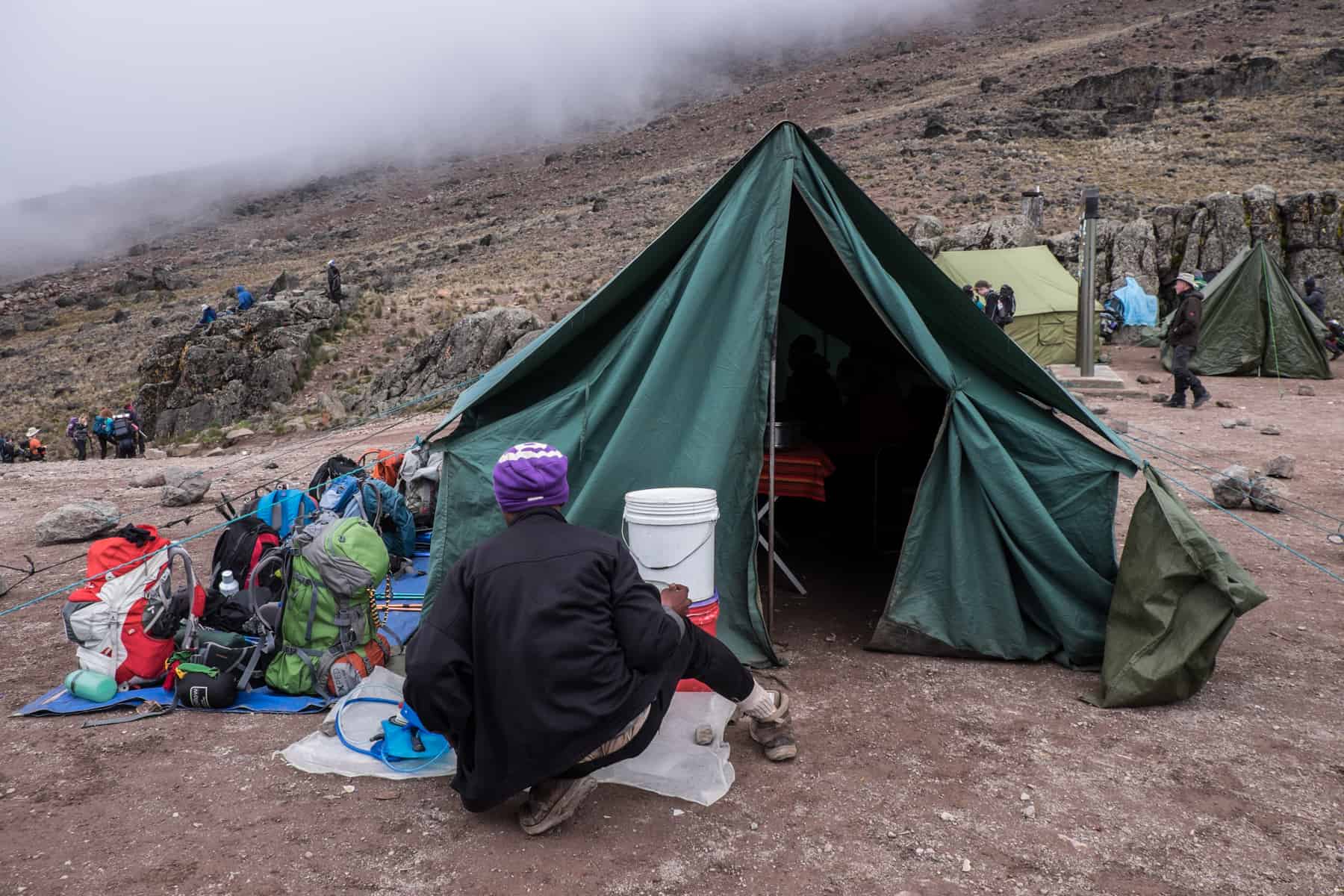
Porters always carry water, providing daily drinking water for the trek team, topping up at any water sources we pass and using water purification tablets that kill microorganisms in the water. Water is readily available during meals and in the morning for the essential refill before the day’s trek.
Is there an Internet connection on Kilimanjaro?
Seriously, embrace the digital detox and enjoy the incredible landscape you find yourself within during this once-in-a-lifetime trekking experience. There might be a little signal, should you have a local Simcard, but it’s unnecessary.
What is the food like on Kilimanjaro?
There’s no denying the food on Kilimanjaro feels repetitive after a few days. However, our daily breakfasts, lunches, and dinners were tasty, prepared with care, and every need was met, even if someone was vegetarian or had an allergy or intolerance.
Breakfast consisted of a bowl of porridge, pancakes (with jams and peanut butter), and an omelette with added filler such as sausages.
Lunch and dinner were a course of vegetable soup, then the main dish of rice or pasta, vegetables, and potatoes. Lunch after the famous Barranco wall was chicken and chips, and the group was delighted. You don’t realise how good a real hearty, comfort meal is until you have it after an arduous day.
Snacks were plentiful, including popcorn and biscuits, alongside a steady supply of tea, coffee, hot chocolate and our favourite treat – ginger tea.
Overall, Is the Kilimanjaro Climb Worth It?
Commercial as it has become, climbing Kilimanjaro is unmistakably worth it, especially for regular trekkers looking to up the ante and on the Lemosho Route that gets you a little off track to the more trodden routes.
Kilimanjaro isn’t an easy climb, and it never will be. Not everything achievable is easy, and it’s OK to say Kilimanjaro is quite the feat to endure and overcome. That is typically a strong basis for trekking – the pain brings reward. And with Kilimanjaro, you are rewarded with one of the most scenic and highest mountain summits in the world.
What to Do After Climbing Kilimanjaro? Beach and Safari
Zanzibar Beach Time
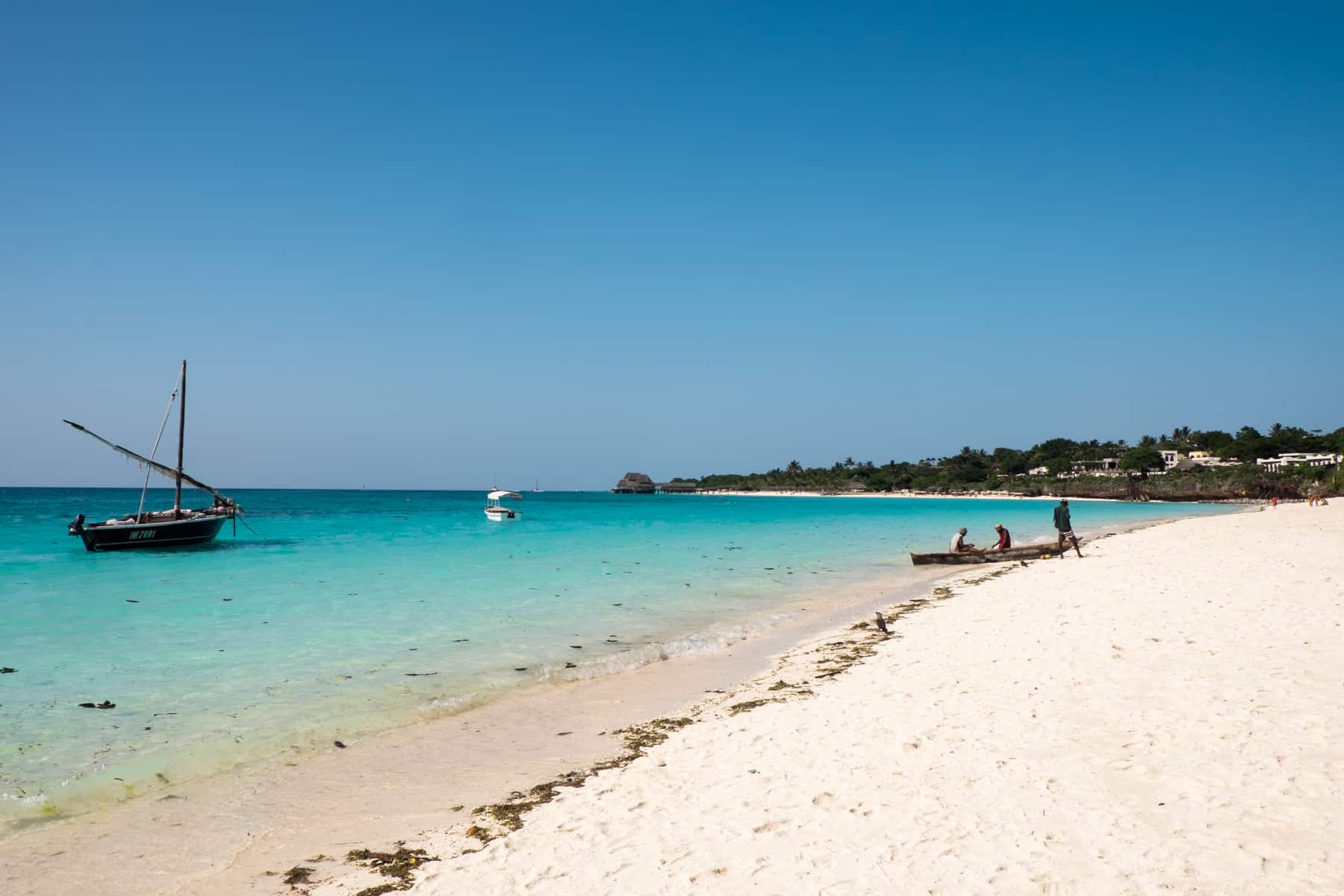
We went to Zanzibar before our Kilimanjaro trip because our flight route was cheaper from Europe to Zanzibar and then to Kilimanjaro Airport. In hindsight, we would have preferred this downtime after trekking. Some members of our group chose the Kilimanjaro-to-Zanzibar trip and relished the relaxation.
We spent two days uncovering the millennium layers of history in the architectural labyrinth of UNESCO Heritage Stone Town, where African, Arab, Indian and European cultures intertwine, before heading up to the island’s northern beaches for the day – said to be the most beautiful on the island.
Serengeti Safari
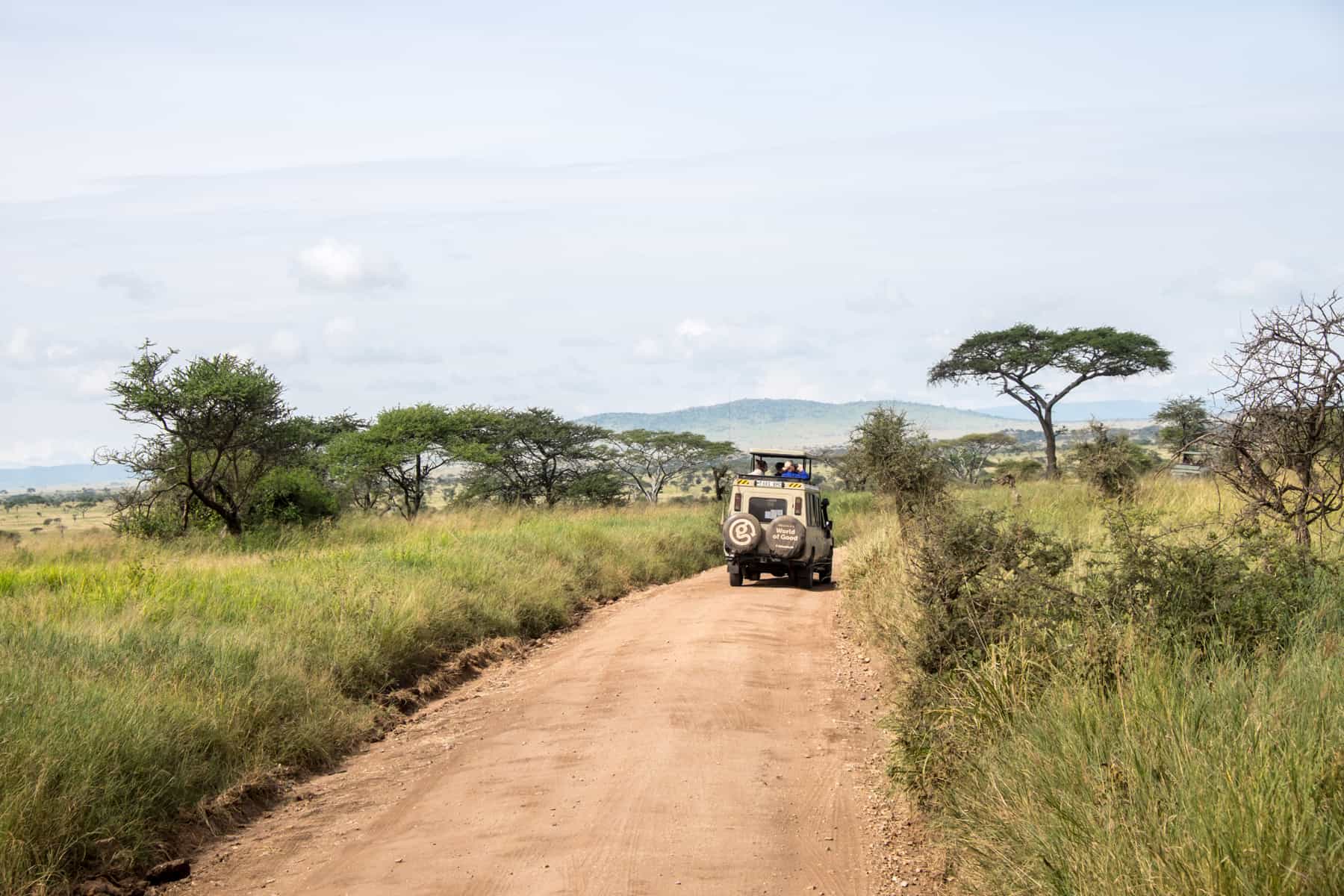
As part of our trek-safari combo-tour, we headed straight to Arusha after Kilimanjaro to embark on the long, scenic drive into the centre of the Serengeti. The trip starts with a visit to Mto wa Mbu village, where locals introduce us to this multicultural area, home to over 18,000 residents from 120 different tribes.
Our drive into the wildlife parks began with the grassy floodplains of Lake Manyara National Park Safari on the western wall of the Rift Valley, patched with acacia and mahogany woodland and a haven for birdwatchers. The Serengeti is a vast savanna, spread so wide that you will never reach its outer edges without spending days on the road. You wild camp for the entire trip, to the distant sound of a lion’s roar and the footsteps, the sniffing and shuffling of buffaloes and hyenas curiously wandering around at night.
We came full circle back to the epicentre of the Ngorongoro Crater before camping on its rim. The water pasture of the Crater floor provides the ecosystem support for over 20,000 large mammals and a chance to spot more zebra, prides of lions, hippos, and, if you are lucky, rhinos.
Our trip ended with a visit to a Maasai village to see the social enterprise Clean Cookstove Project in action. About 120 women have been trained to install more than 4,000 stoves in more than 60 Maasai villages across the Serengeti, replacing traditional open-fire and fuel-burning stoves whose smoke pollution is the fourth-biggest health risk in the world.


Charlotte Blackwood says
Thank you for this information lots of questions answered here.
Charlotte
Candice says
Holy smokes this is an incredible guide. Thank you!
Becki says
Thank you so much! Are you thinking of climbing Kilimanjaro in the near future?