
Disclaimer: This post contains affiliate links to handpicked partners, including tours, gear and booking sites. If you click through or buy something via one of them, I may receive a small commission. This is at no extra cost to you and allows this site to keep running.
The history of Ras Al Khaimah at sites such as Dhayah Fort and Sheba’s Palace shows the centuries-long significance of the UAE region.
The history of the United Arab Emirates (UAE) rarely goes beyond its rapid rise from desert to decadence since its inception in 1971. But little do people know that one of its Emirates, Ras Al Khaimah, is rich in cultural history – a part of the Arabian Gulf that has been home to settlers for over 7,000 years.
Archaeological excavations have uncovered pottery from as early as 5000 BC alongside the remains of burial sites and tombs from later civilisations. Small, unmarked and relatively unknown, it was only when my driver pointed out a few remote fenced-off areas as we drove by that I knew of their existence.
However, two dominant and accessible historical sites – ‘Sheba’s Palace’ and Dhayah Fort – remain portals to the ancient settler and trading history of Ras Al Khaimah that allowed it to flourish.
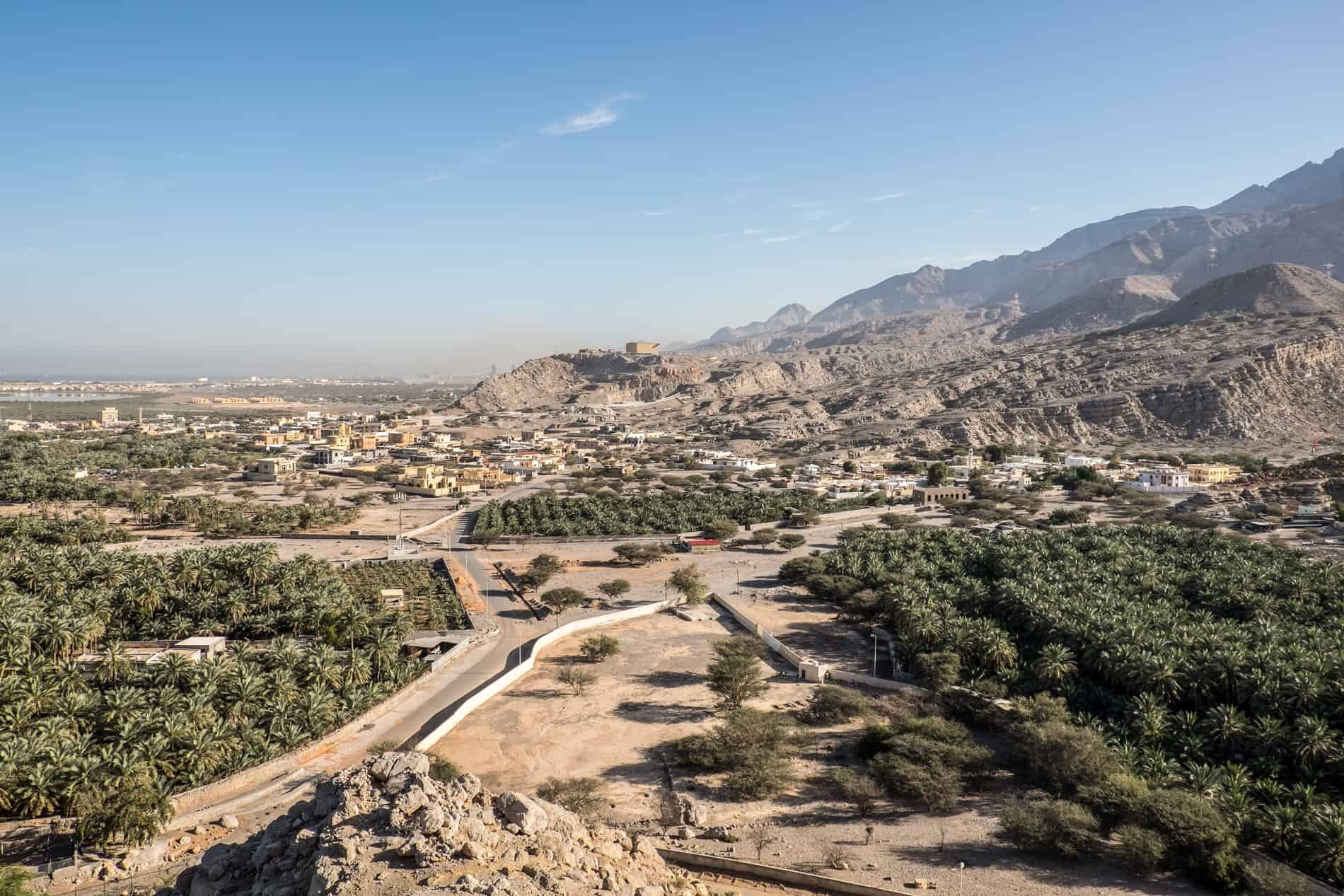
Historical Sites in Ras Al Khaimah
Once known by the names Julfar, Majan and Al Seer, this particular area with a diverse landscape of coast, rugged mountains, and fertile land was enticing. It soon became a thriving trade centre on the maritime crossroads between Europe, Africa and China. Such a significant location also meant it became victim to its appeal, where ongoing conflict and occupation saw a need for fortification.
READ MORE: Places to Visit in Ras al Khaimah
Getting Around
Getting to the historical sites in Ras Al Khaimah is easy. Guests can book drivers from the hotel. Ask for a local who is more likely to know the best access points to the old sites and may also be able to point out other ruins along the way. Prices vary by time of day and length of hire.
Entry Costs
Both historical sites in Ras Al Khaimah are free to enter but are hard to find without a local eye and lack any definitive tourism infrastructure, though this should not be a deterrent. More importantly, hire a driver from your hotel and aim for a 5:30 am start to begin the climb up to ‘Sheba’s Palace’ to catch the sunrise.
READ MORE: Ras Al Khaimah Travel Guide
16th Century Dhayah Fort – Fortification in Ras Al Khaimah
A dusty tourism information sign has been erected, waiting for eager eyes and historical enthusiast hearts, yet it still feels like it has only just been uncovered. It is said that thousands of people visit Dhayah Fort every year, but there was no crowd here scrambling for a view.
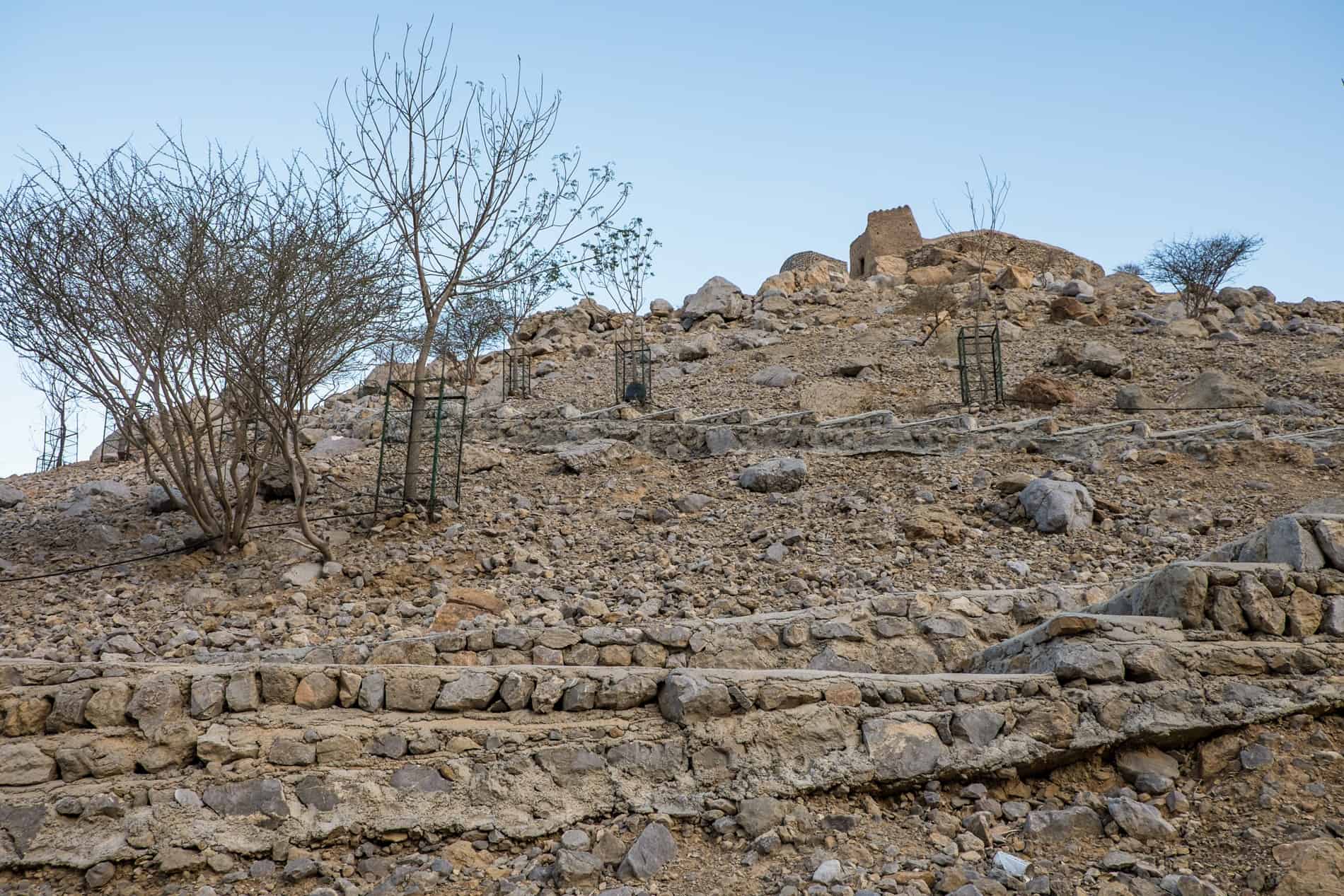
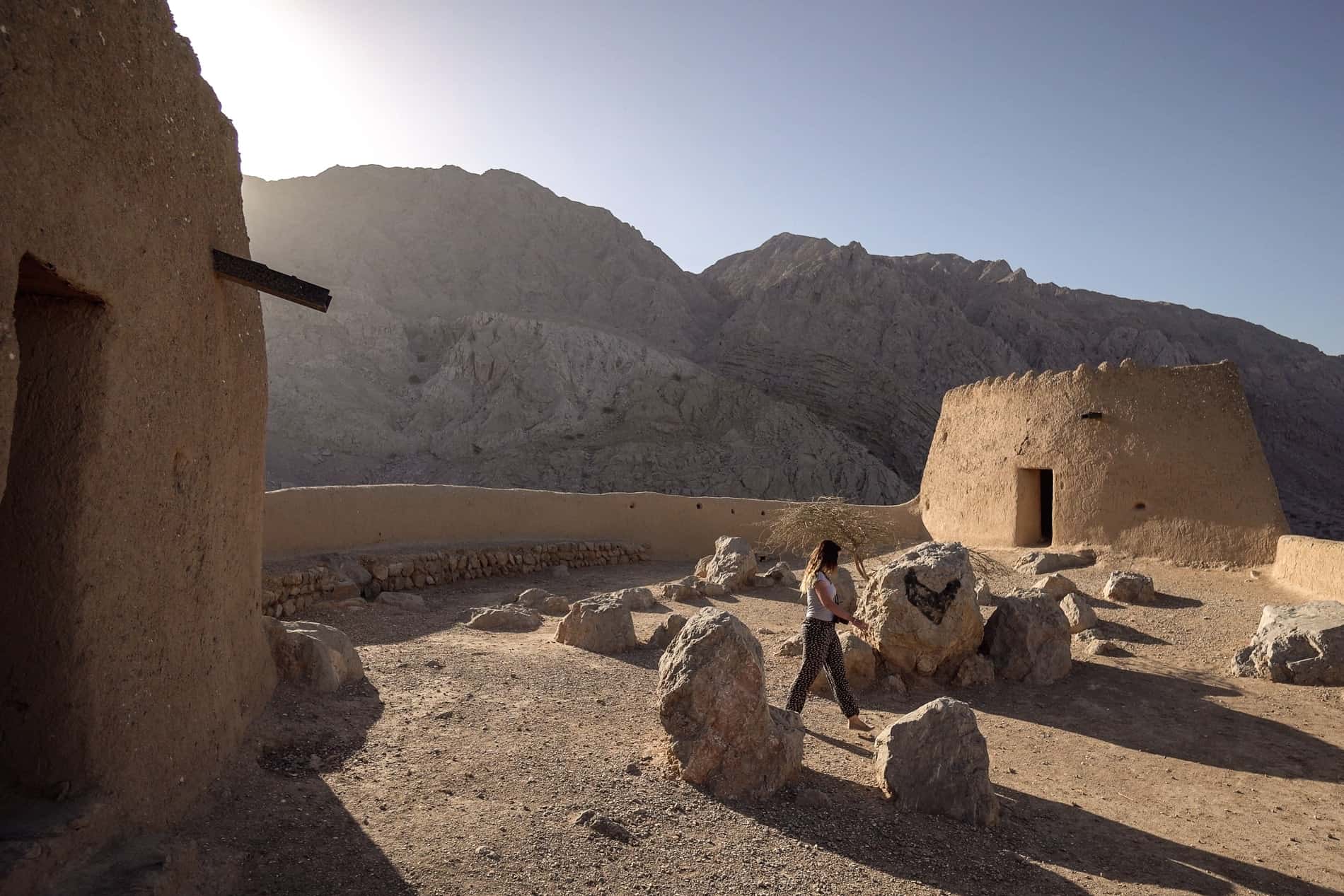
This part of the Arabian Gulf’s strategic location was invaded and occupied many times over, including in more recent history by the Portuguese, Dutch and the British. Housing various ruins and remains of fortification, Ras Al Khaimah’s historical centrepiece and the main structure is the small Dhayah Fort – built in the 16th Century and positioned in the northern part of the city, Rams between the mountain plateau and the coast.
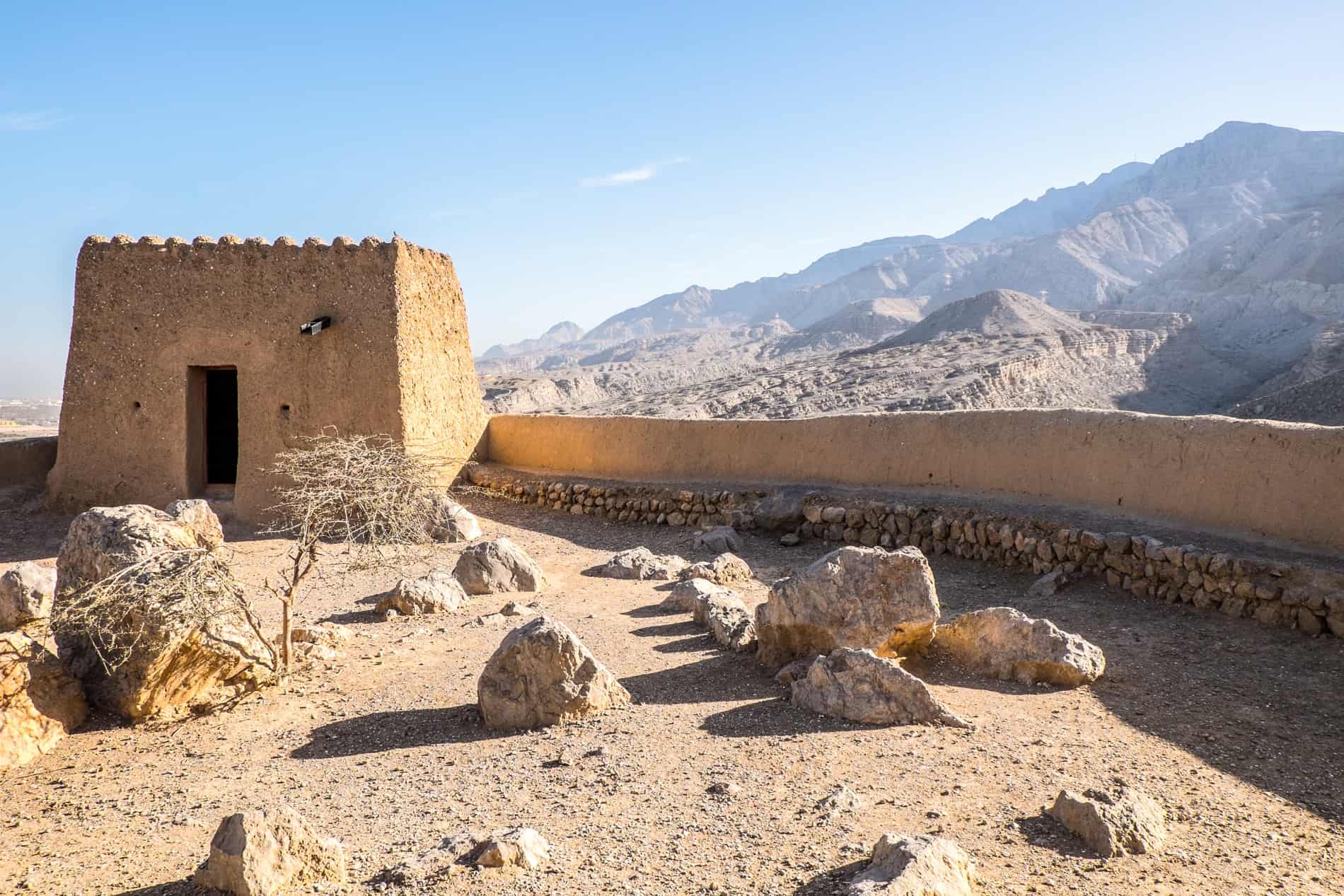
Dhayah Fort required only a short meander up its zigzagging, giant 239-step stone staircase, where we could walk between its two towers and even scramble up the precarious wooden ladder to gaze from its roof.
It is fascinating for its all-round viewpoint as you peacefully stand and survey the mountains around you and the small towns below. Yet it’s also an opportunity to see Ras Al Khaimah’s other side, beyond the relaxing resort element of its tourism.
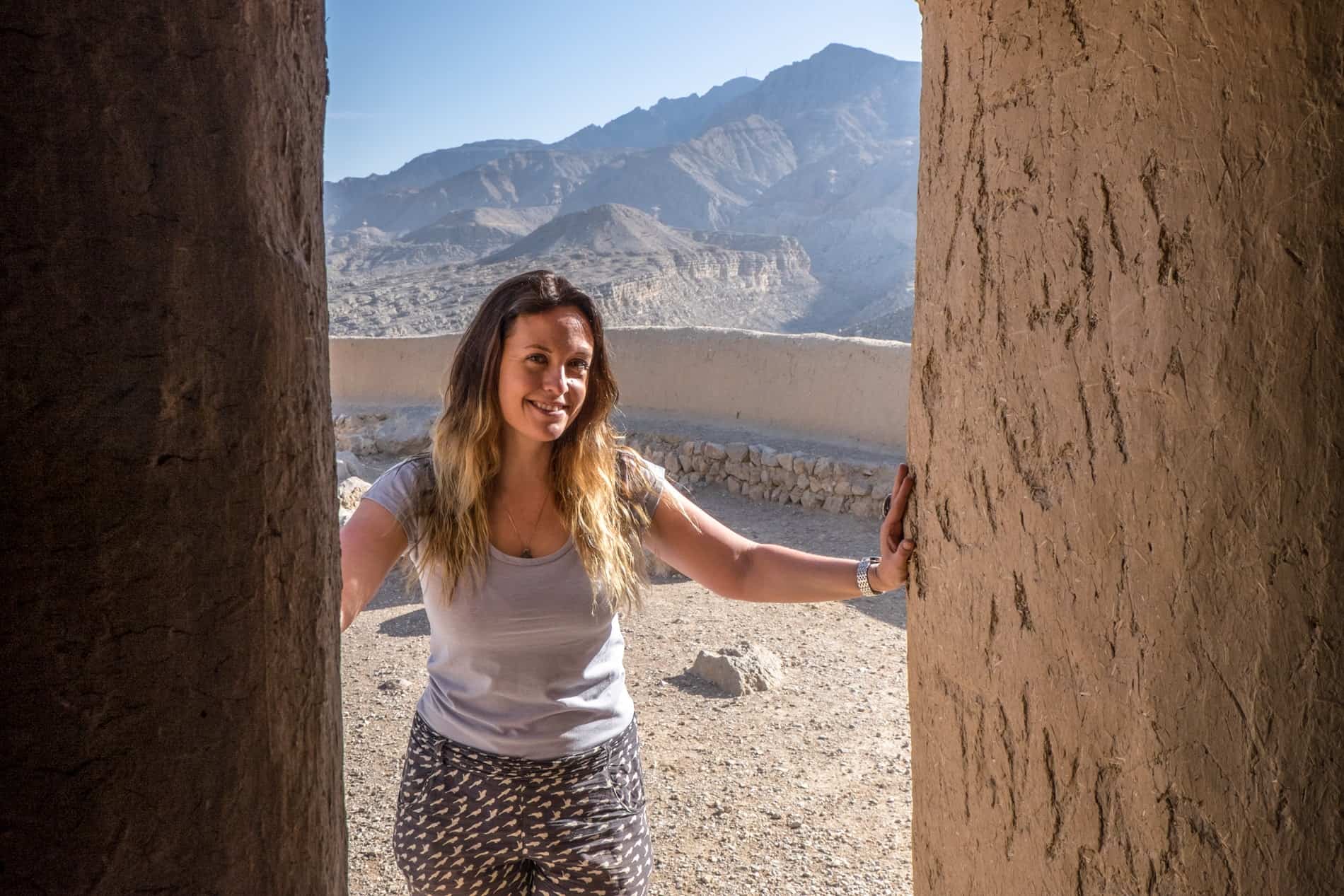
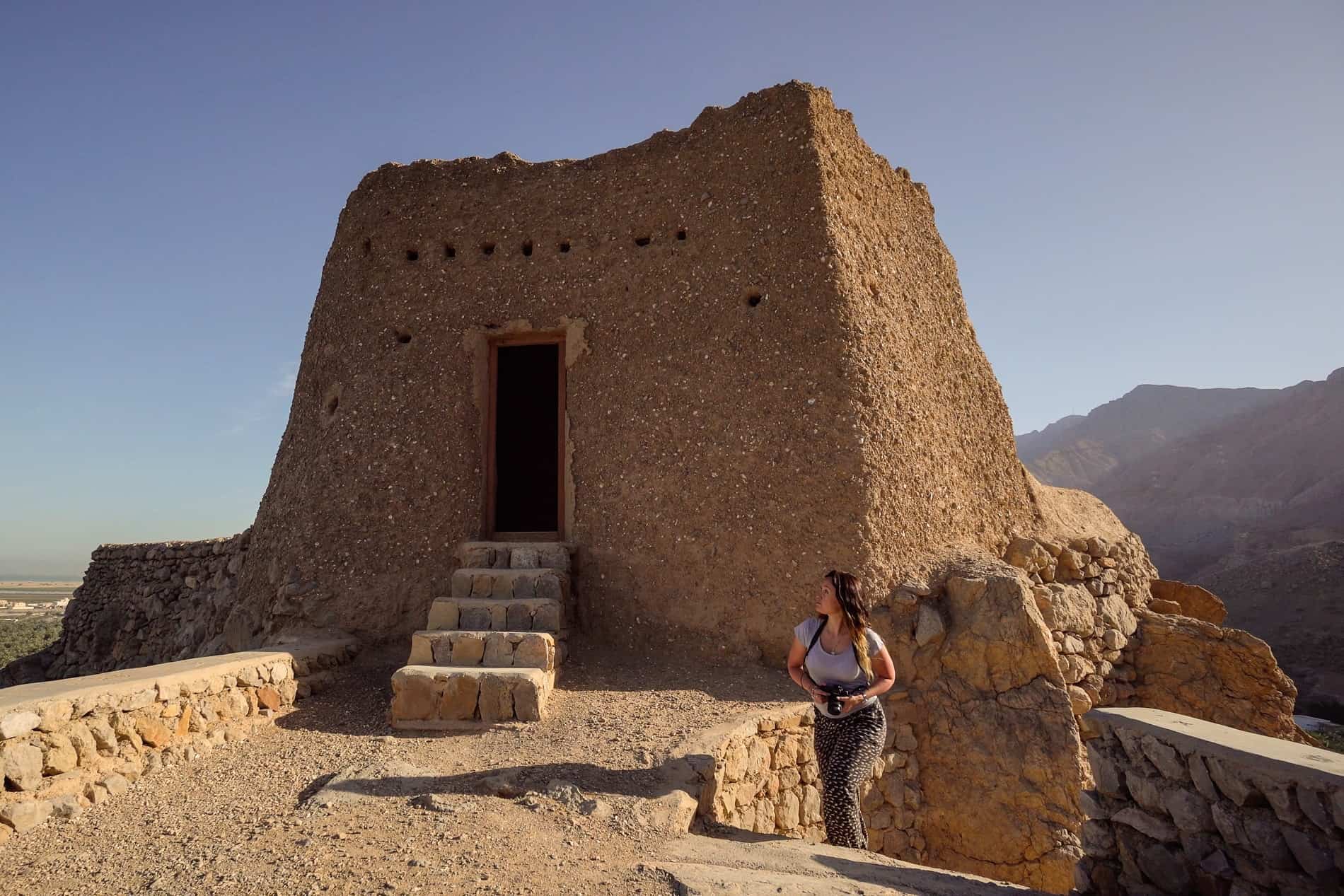
This fort changed hands many times before being destroyed during the British operation of the Battle of Ras Al Khaimah in 1819. It stands as a symbol of independence, by which the defeat of the British and subsequent changes introduced by all the Sheikhs brought about the creation of the United Arab Emirates in 1971.
READ MORE: Visiting RAK’s Ghost Town – Al Jazirat Al Hamra Pearl Fishing Village
Qasr Al Zabba or ‘Sheba’s Palace’ – The Oldest Palace in the UAE
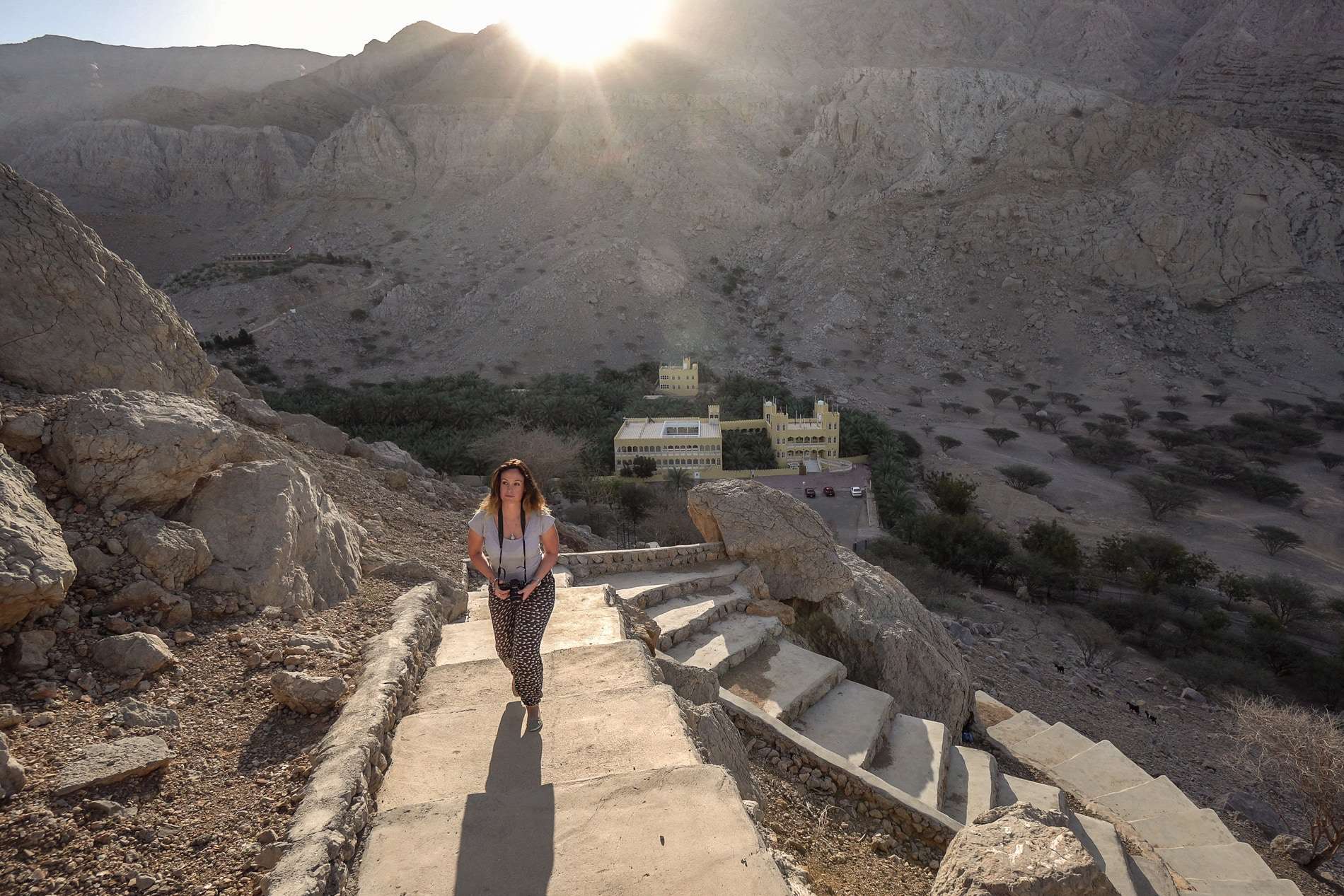
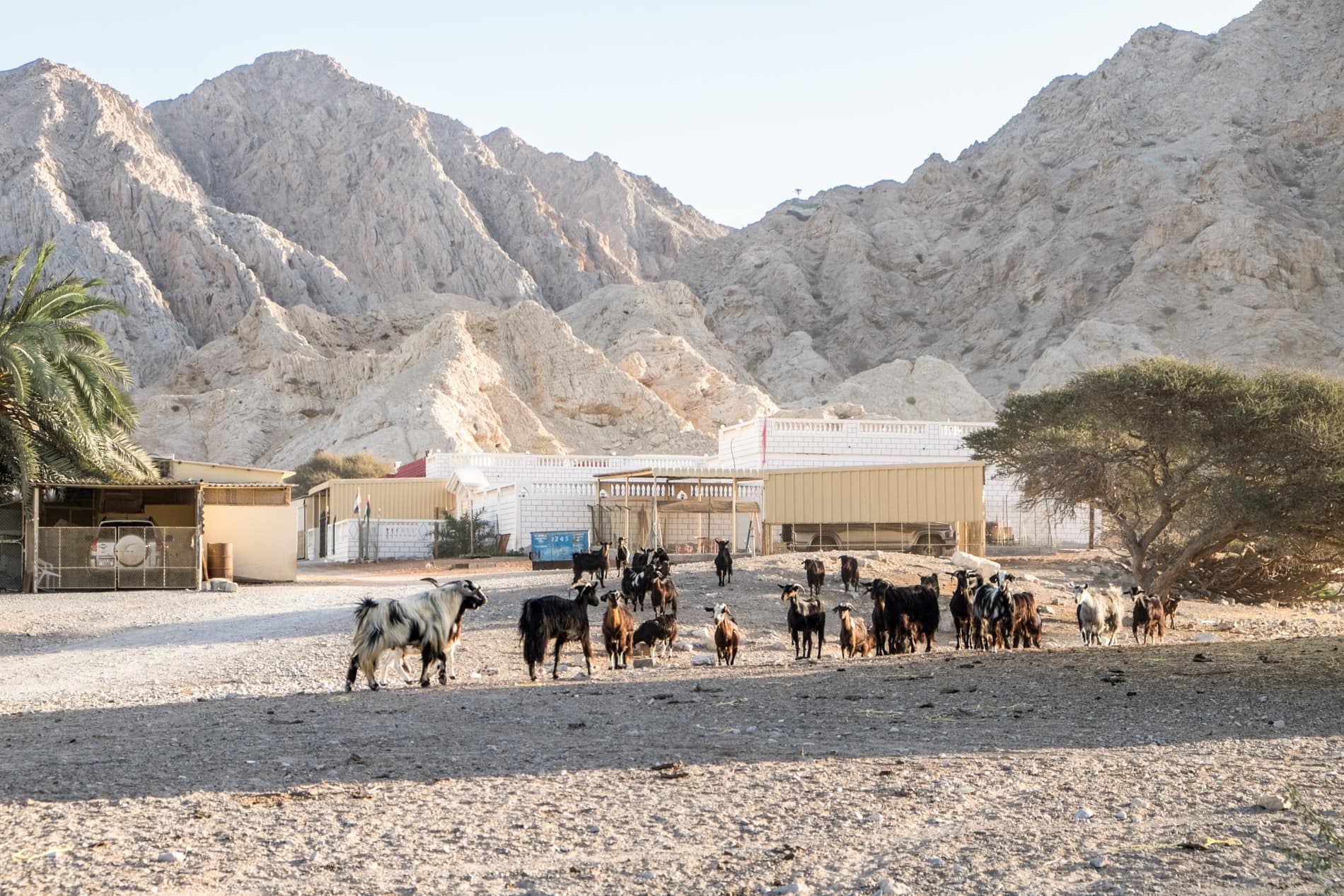
Welcoming a new day from atop the crumbling ruins of ‘Sheba’s Palace’ in Ras Al Khaimah is a real adventure, especially as the climb requires a little energy on an unmarked path. First, you have to locate it: the foot of the palace is in a tiny, mostly desolate village called Shamal.
Even our driver had to make a few attempts to find the right place to park before we began our exploration.
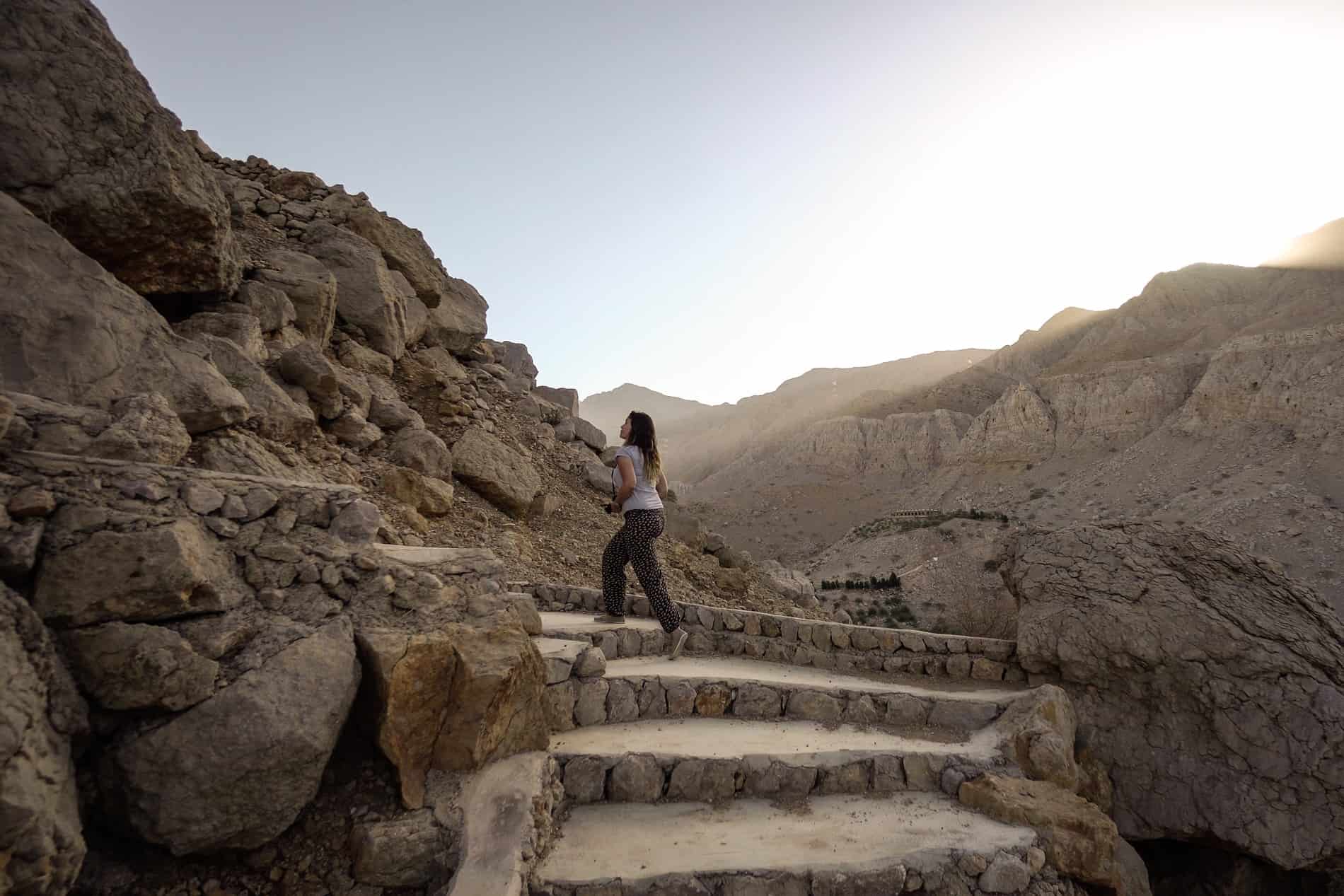
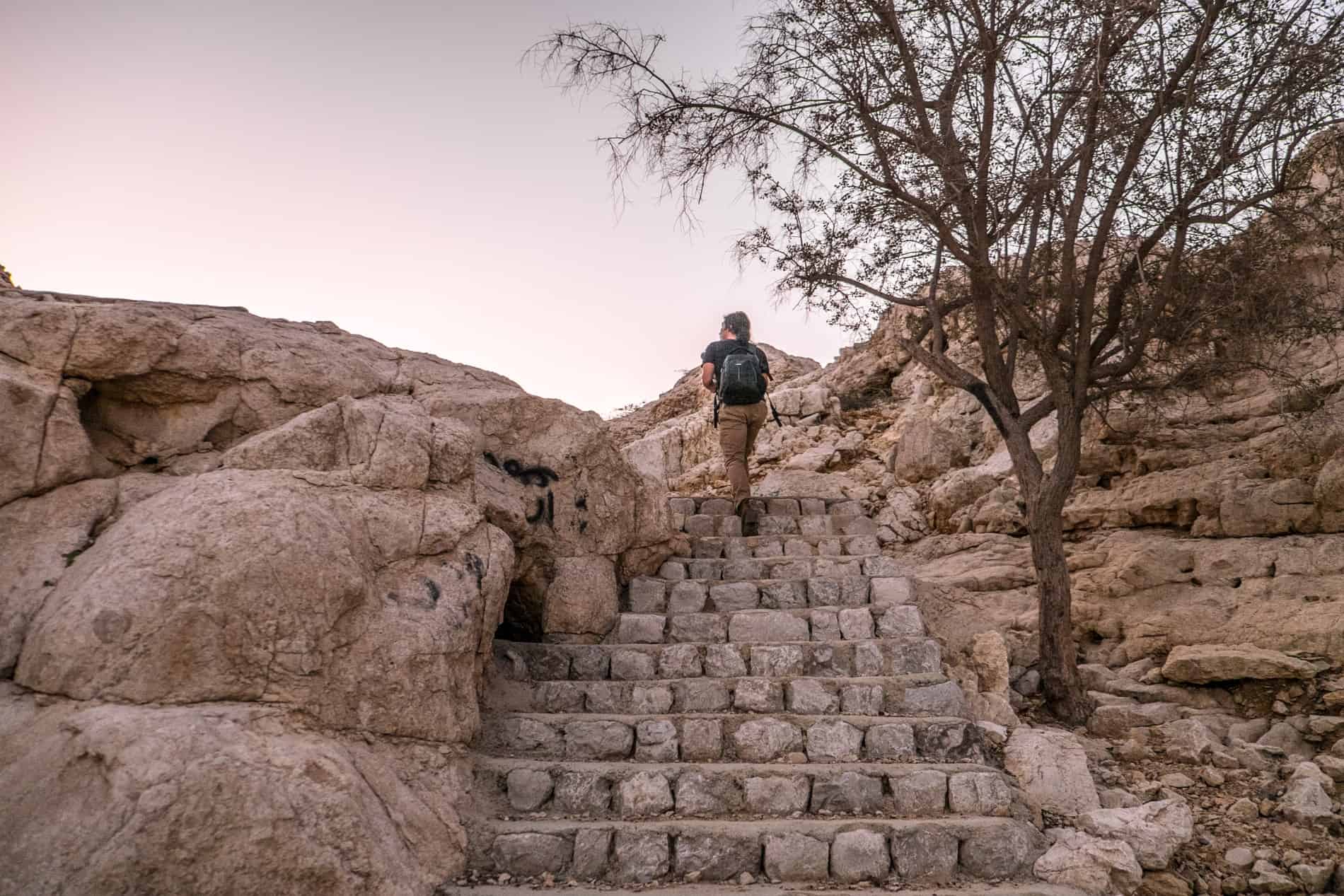
It started with a staircase of craggy steps covered in foliage and loose stones, making it appear as if no one had taken this journey for quite some time. Slowly, the sun began to rise as we scrambled up the small rocky incline to the top of this historic mound.
Flattening out, we stood at platforms at the very edge – the sun rising from above the jagged mountains at one end and a view of the vast expanse of what is almost Ras Al Khaimah in its entirety at the other.
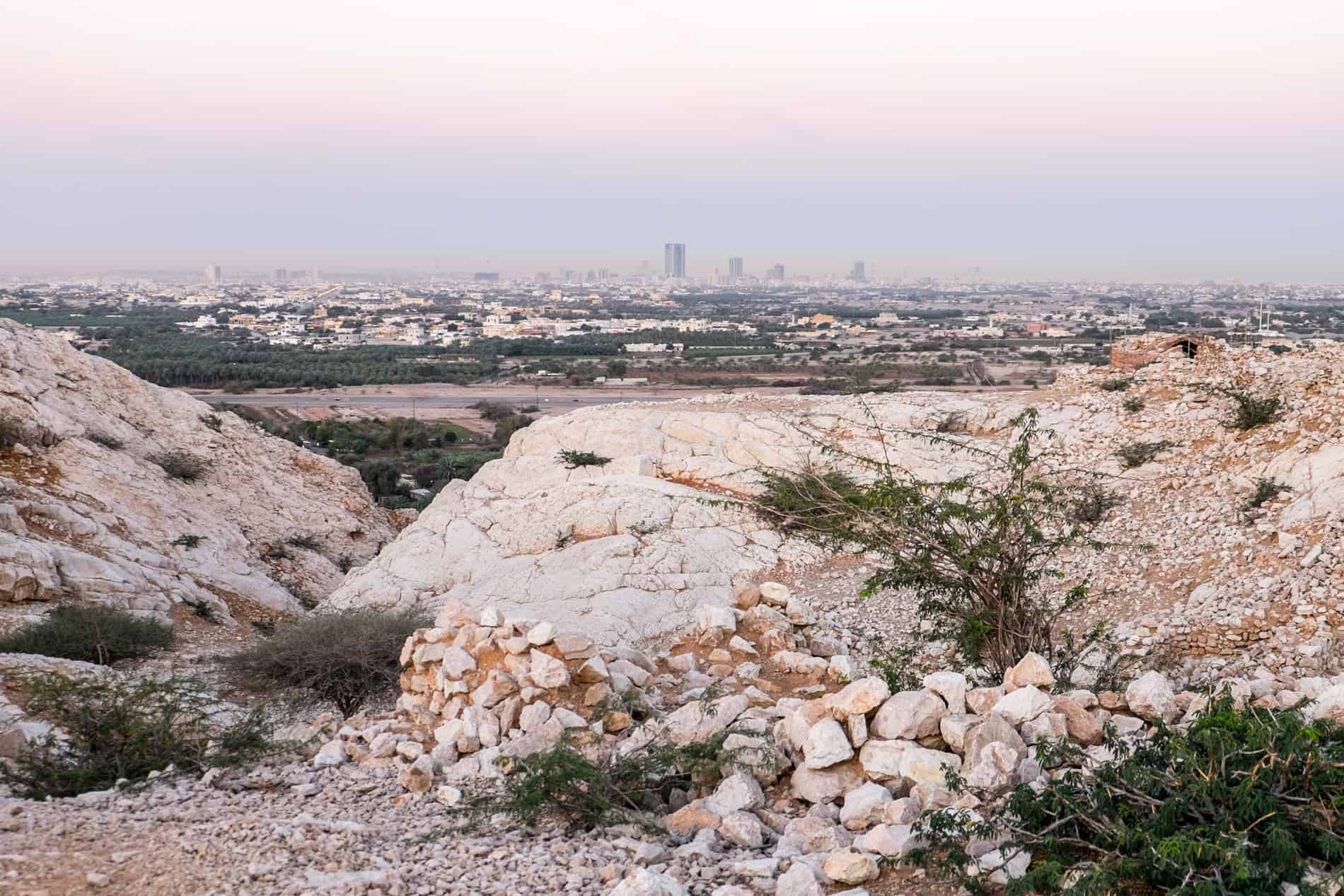
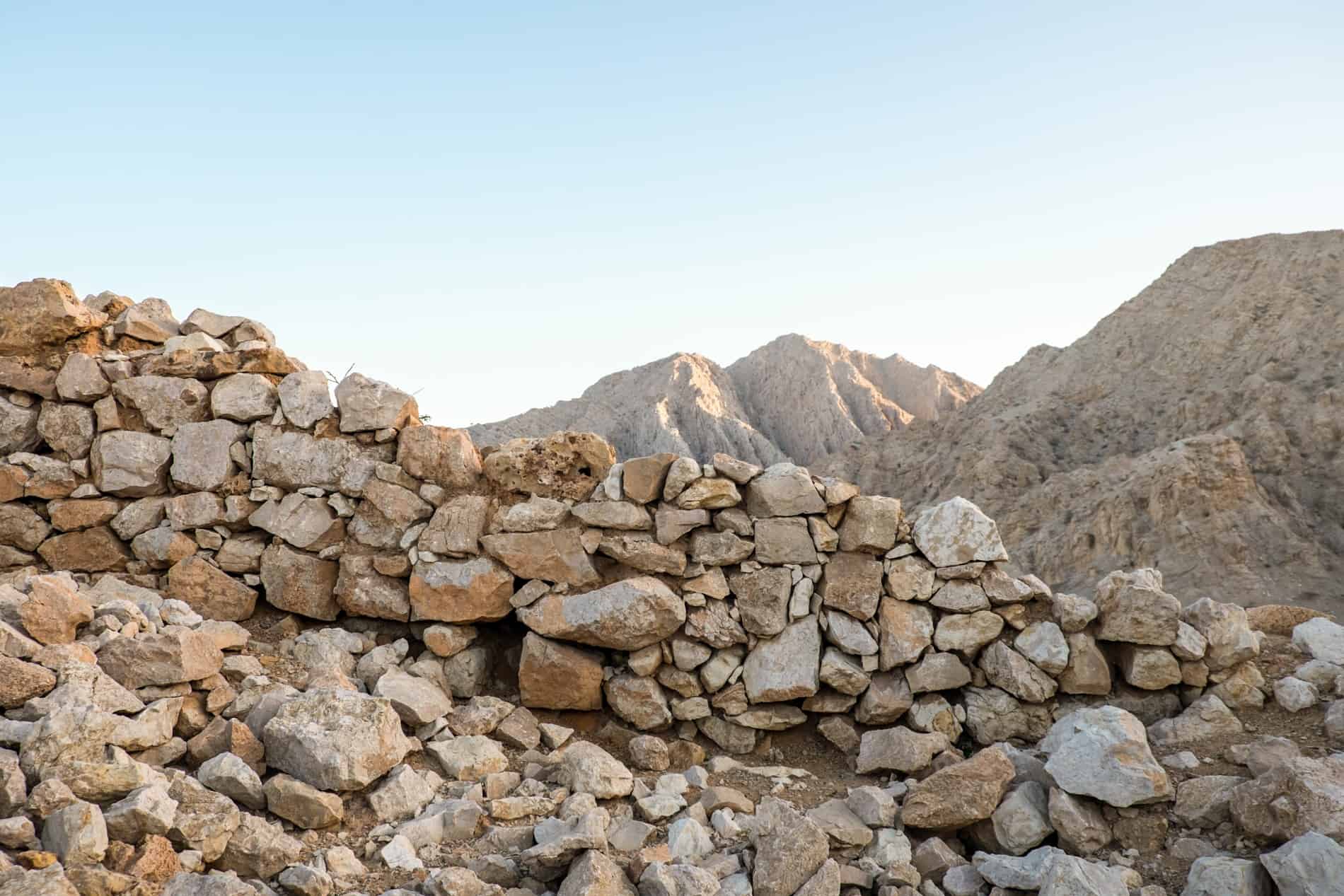
Lone trees have sprouted up through the rock, bone carcasses of goats who once claimed this as their space are laid bare, and trenches of ruins are scattered all around. Hardly anyone comes to the top of this once royal stronghold, said to be the oldest and only known palace in the UAE. These sites are the history of Ras Al Khaimah at its most raw.
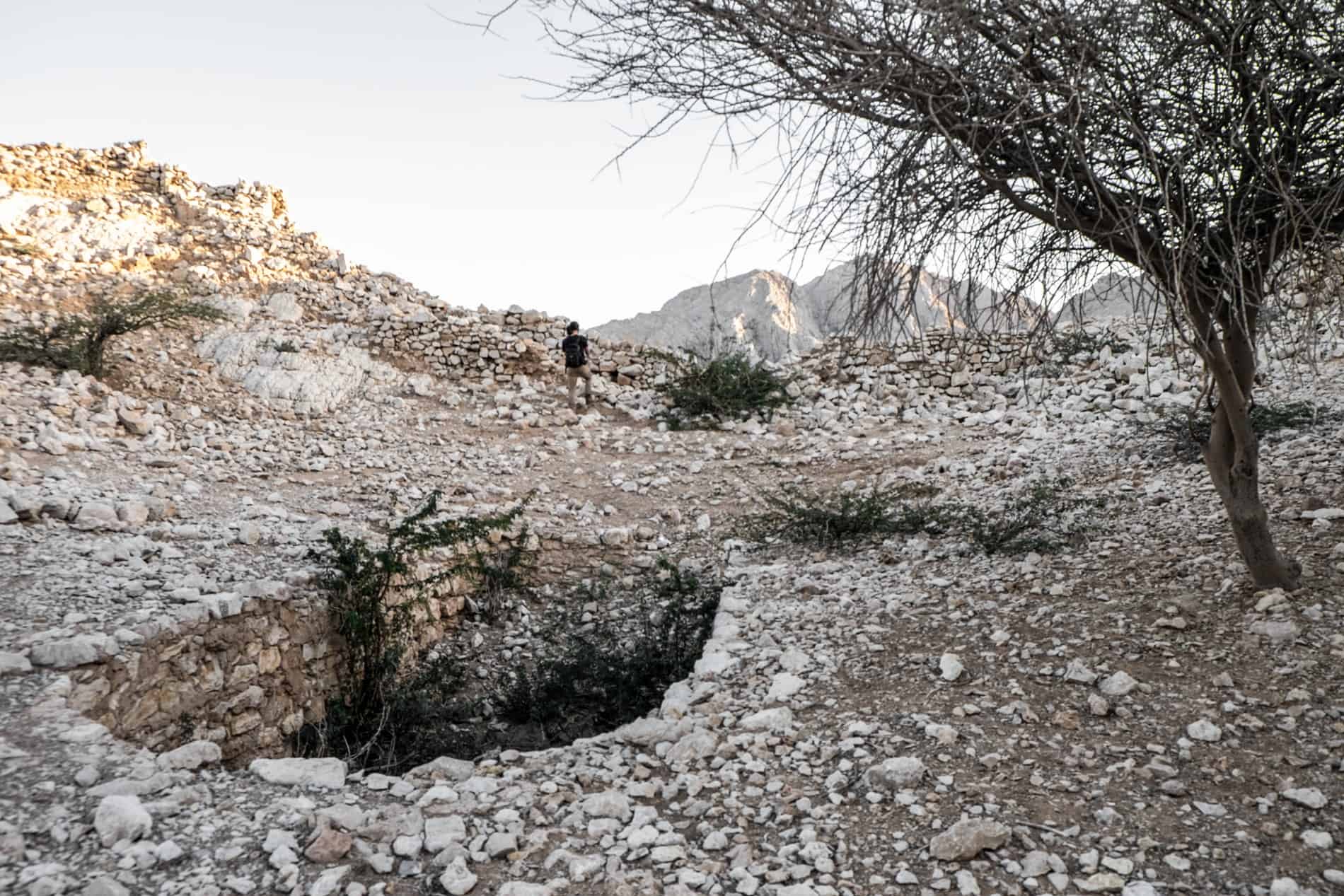
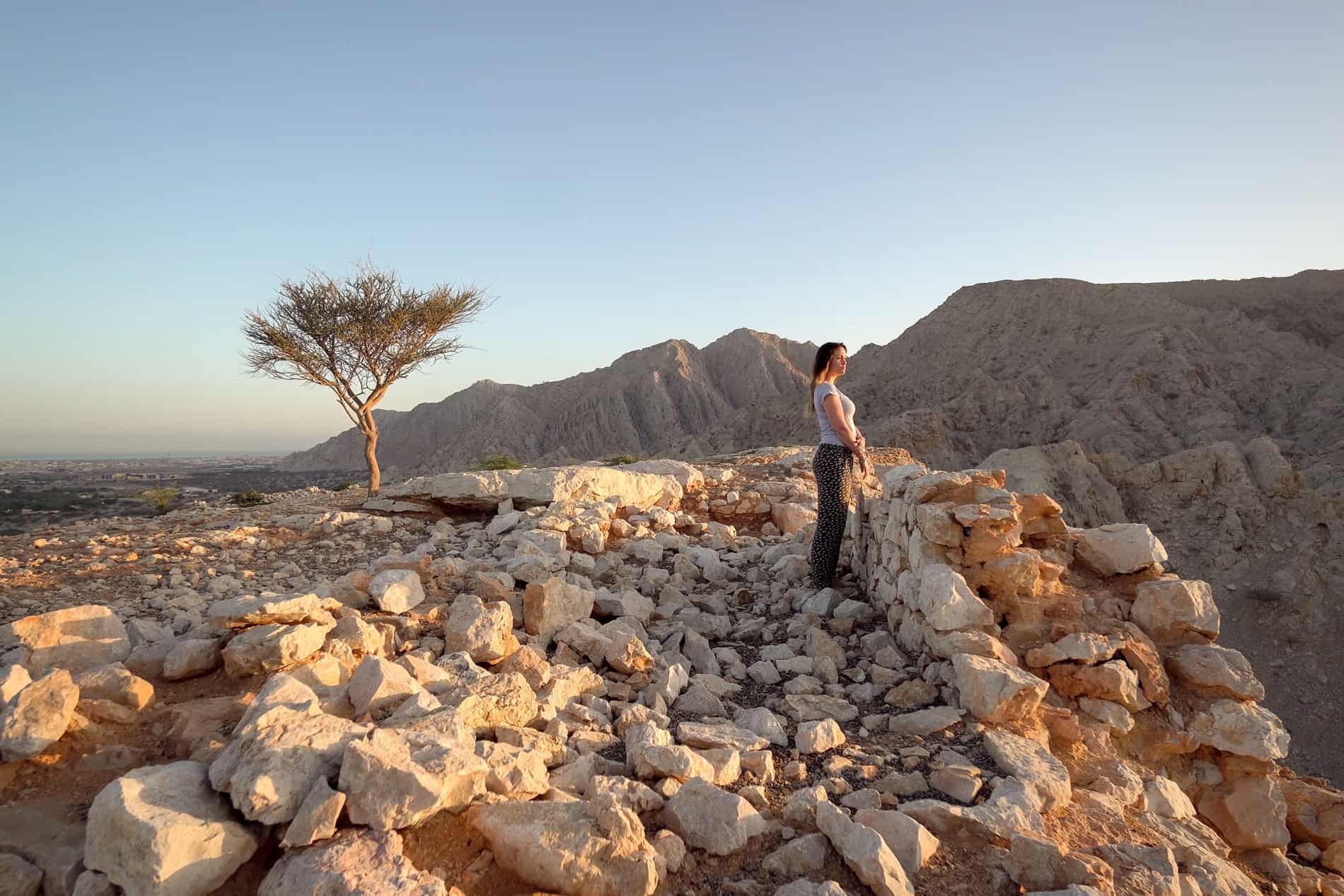
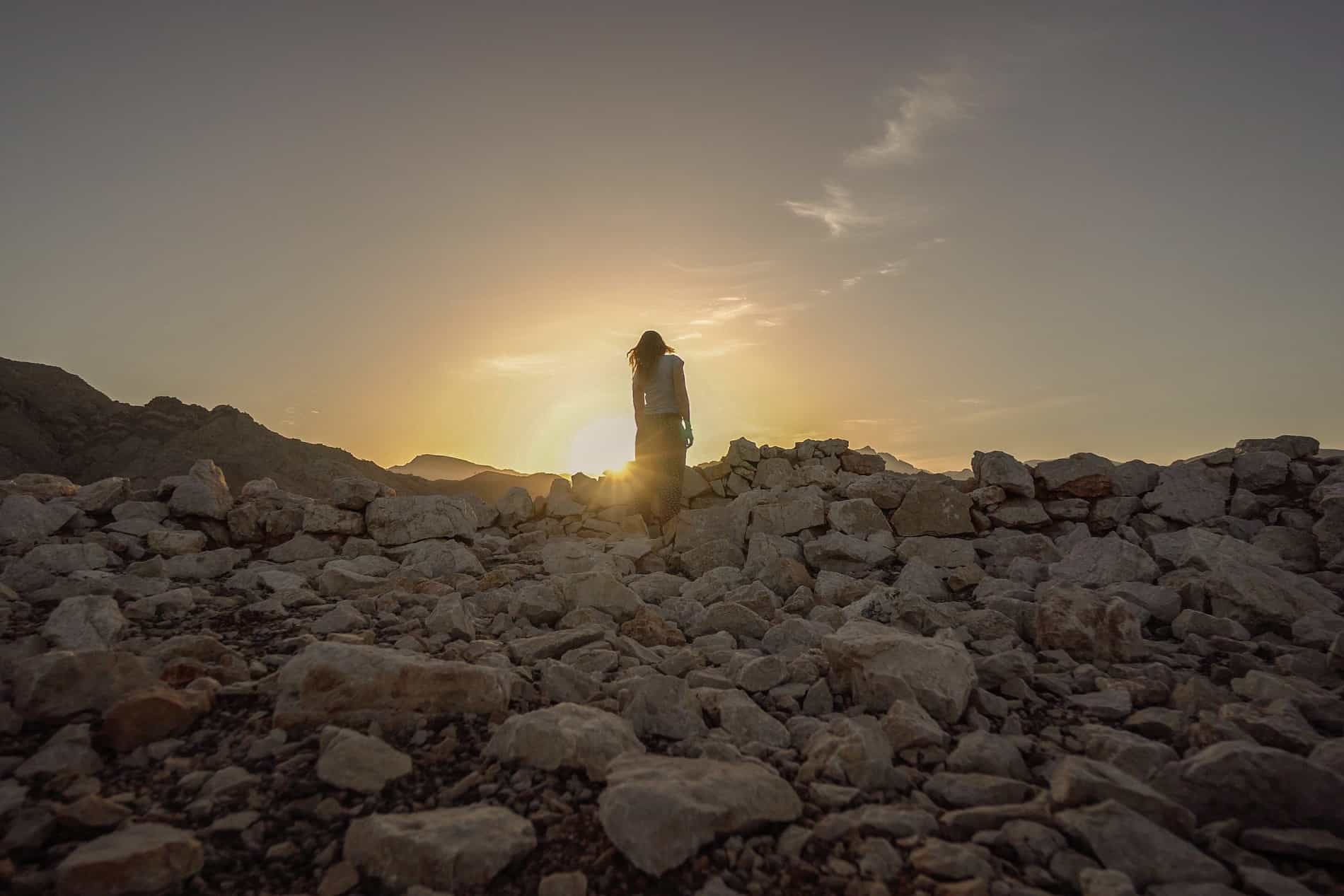
Sheba’s Palace is the affectionate English name for what locals call Qasr Al Zabba (The Palace of Zenobia). It’s still widely debated whether it was built thousands of years BC for the Arabian Queen of Sheba, centuries ago for the Roman Queen Zenobia, or during a later occupation just a few hundred years ago.
Its exact story remains a mystery, and being up here retains that same aura. For now, you can visit and create your understanding of its existence.
History Gives Perspective
Ras Al Khaimah’s history paints a different picture of today’s extravagant image associated with the United Arab Emirates. The scattering of historical sites proves that this area was more than just little-known, arid ground, but a region whose significance and attraction has spanned many centuries.
This area’s rich cultural history has been well cultivated, with artefacts on show in the National Museum of Ras Al Khaimah.
Images featuring myself © Brandon Li at Unscripted



Leave a Reply